.svg&w=384&q=75 "GoalGist logo")
Parma vs AS Roma: Tactical Analysis of a 3-2 Serie A Clash
The late afternoon light over Stadio Ennio Tardini dimmed into something heavier as the final whistle confirmed the story: Parma 2, AS Roma 3. Following this result, it felt less like a routine Serie A fixture and more like a case study in what separates a hardened European contender from a side still learning how to live on that edge.
I. The Big Picture – contrasting identities laid bare
This was Round 36 in Serie A, a meeting between two clubs whose seasons have been written in different alphabets.
Parma, 13th with 42 points and a goal difference of -18 (27 scored, 45 conceded), have spent the campaign living on fine margins. Overall they average just 0.8 goals for and 1.3 against per game, a team built on organisation and survival instincts rather than attacking excess. At home, that picture is even starker: 15 goals scored and 25 conceded across 18 matches, a home average of 0.8 for and 1.4 against. They are not built to trade punches.
Roma, by contrast, arrived as a side with European football already inked into their horizon. Fifth in the table on 67 points, with a goal difference of +24 (55 for, 31 against), their season has been defined by assertiveness. On their travels they have 24 away goals and 21 conceded, an away average of 1.3 scored and 1.2 conceded. It is not flawless, but it is ambitious.
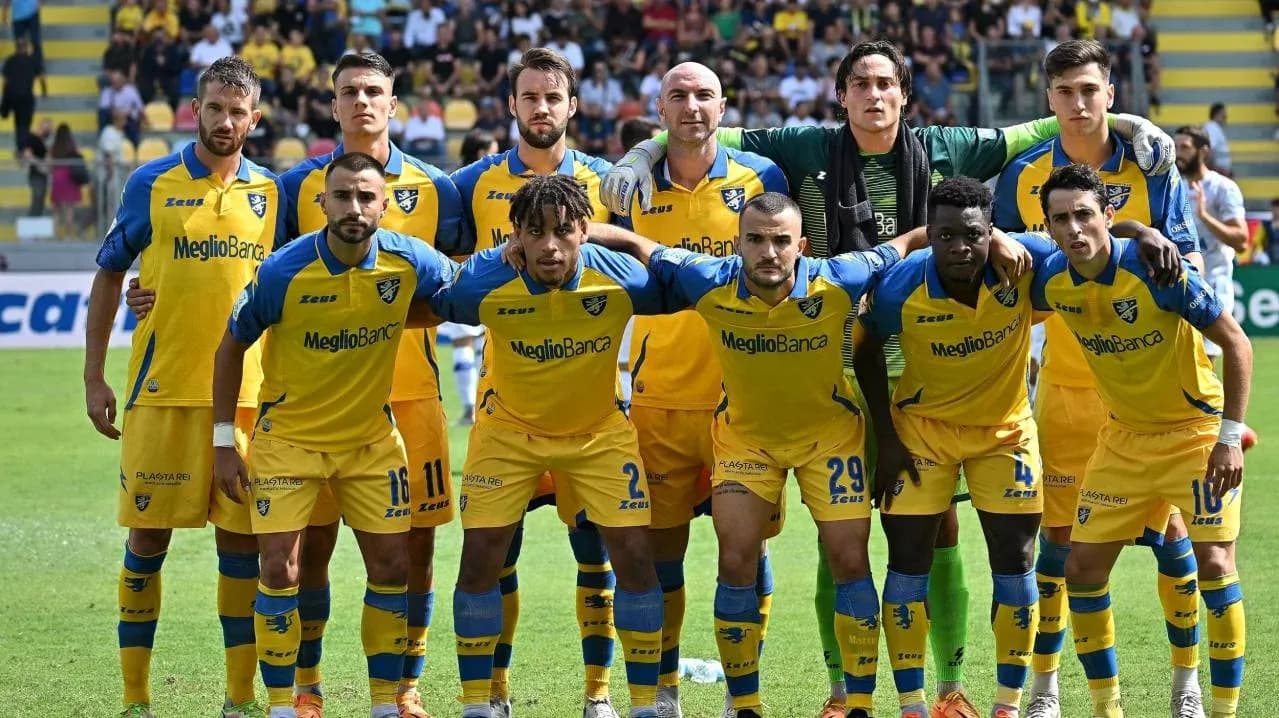
On the tactical board, the shapes told their own story. Carlos Cuesta doubled down on Parma’s seasonal identity, rolling out the familiar 3-5-2 that has been his most-used structure (17 league matches). Z. Suzuki sat behind a back three of A. Circati, M. Troilo and L. Valenti, with a broad midfield band of E. Valeri and E. Delprato as wing-backs, and C. Ordonez, H. Nicolussi Caviglia and M. Keita inside. Up front, G. Strefezza and N. Elphege were asked to stretch Roma and punish transitions.
Piero Gasperini Gian responded with his own signature: Roma’s 3-4-2-1, the formation they have used in 28 league games. M. Svilar behind G. Mancini, E. Ndicka and M. Hermoso; Z. Celik and Wesley Franca wide, B. Cristante and M. Kone central. Ahead of them, M. Soule and P. Dybala floated between the lines, knitting play into the lone spearhead D. Malen.
II. Tactical Voids – absences and discipline
Both benches were shaped by who was missing. Parma were without A. Bernabe, B. Cremaschi, M. Frigan and G. Oristanio, all sidelined by muscle or knee injuries. That stripped Cuesta of technical variety between the lines and depth in the final third; Mateo Pellegrino, their league top scorer with 8 goals and 1 assist, began on the bench, leaving Parma without their most reliable penalty-box presence from the start.
Roma’s list was no less significant: A. Dovbyk, E. Ferguson, L. Pellegrini and B. Zaragoza all ruled out. That removed a classic penalty-box striker, a powerful runner from midfield and their most established creative midfielder. Gasperini Gian had to lean even harder on the intelligence of Dybala and the all-round threat of Malen and Soule to generate chances.
Discipline has been a season-long subplot for both teams. Parma’s campaign card map shows a tendency to get dragged into chaos late: 21.88% of their yellow cards come between 46-60 minutes, and another 21.88% between 76-90, with a notable spike in reds around 31-45 minutes (40.00% of their dismissals) and further flashes in the final half-hour. Troilo himself is the league’s standout in the red-card charts, with 7 yellows, 1 yellow-red and 1 straight red this season, and 15 blocked shots that underline his front-foot defending.
Roma are not innocent either. G. Mancini leads their disciplinary narrative with 9 yellow cards, a defender who has committed 69 fouls and lives permanently on the line between aggression and excess. Their yellow-card distribution shows a steady rise after the break: 23.08% between 46-60, 23.08% between 61-75 and another 23.08% in the 76-90 window. This is a side that often defends its leads with teeth bared.
In a match that finished 3-2 and never truly settled, those tendencies were always likely to surface in the crunch moments.
III. Key Matchups – Hunter vs Shield, Engine Room battles
Hunter vs Shield
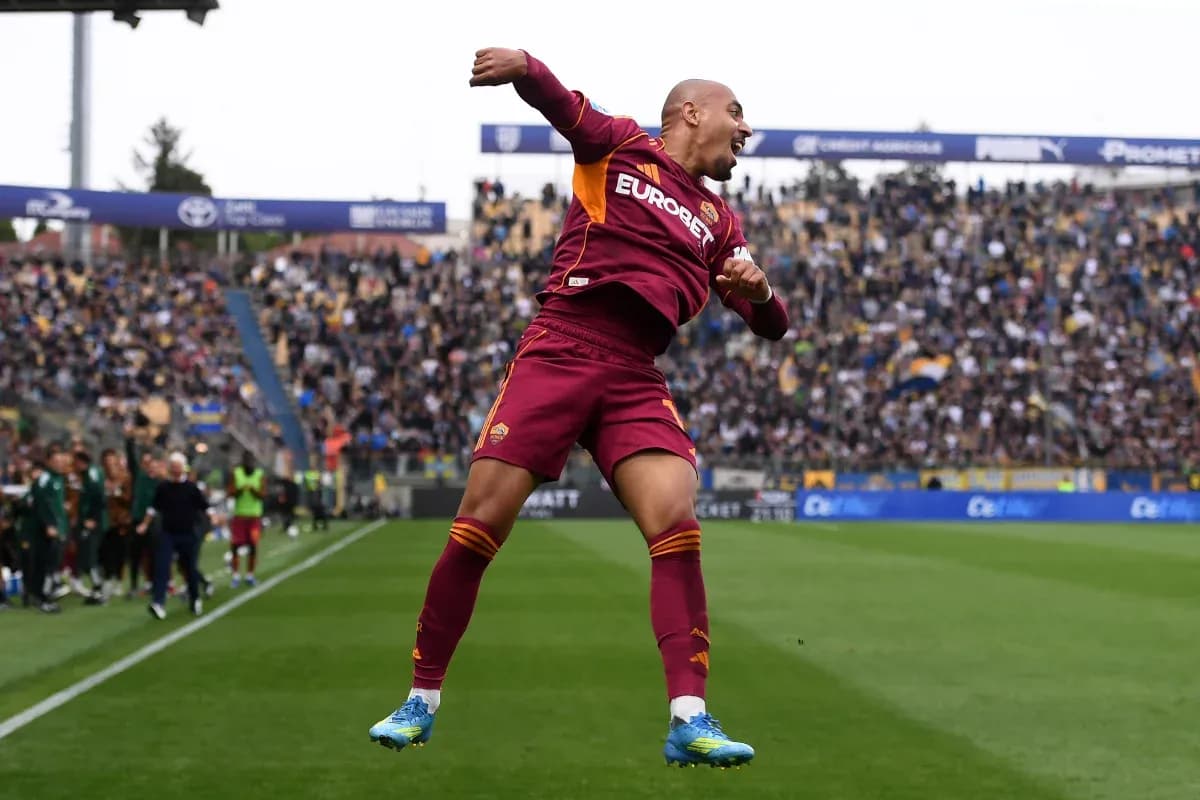
D. Malen arrived as one of Serie A’s deadliest forwards this season: 13 goals and 2 assists in 16 appearances, with 45 shots and 28 on target, plus a perfect record from the spot with 3 penalties scored and none missed. His duel with Parma’s back three – particularly Troilo and Valenti – was always going to define how much of Roma’s attacking superiority on paper translated onto the pitch.
Troilo’s profile is that of a proactive stopper: 23 tackles, 15 interceptions and those 15 blocked shots speak to a defender who steps into danger rather than retreating from it. Yet Parma’s overall defensive record – 45 goals conceded in 36 matches, 1.3 per game overall and 1.4 at home – hints at structural frailty once the first line is broken. Against Roma’s 1.5 goals per game overall and 1.3 on their travels, this was a mismatch of systems more than individuals. The 3-2 scoreline felt almost baked into the numbers.
Engine Room – Playmaker vs Enforcer
If Malen versus Troilo was the headline, the undercard in midfield was just as decisive.
For Roma, M. Soule is the creative metronome and dribbler-in-chief. With 6 goals, 5 assists and 43 key passes across 31 appearances, plus 91 dribble attempts with 33 successful, he embodies Roma’s ability to unpick compact blocks. His partnership with Dybala in those half-spaces behind Malen constantly threatened to overload Parma’s central trio.
On the other side, Parma lacked a pure creator in the mould of Soule. Nicolussi Caviglia, Ordonez and Keita were tasked more with screening and shuttling than threading the final pass. Without Bernabe and Oristanio, and with Pellegrino initially among the substitutes, Parma’s “engine room” tilted towards containment.
Roma’s midfield steel came from B. Cristante and M. Kone. Cristante, with 1,553 passes at 86% accuracy and 50 tackles this season, is the classic enforcer-playmaker hybrid, stepping into duels (319 contested, 179 won) and then setting Roma’s tempo. His duel with Parma’s central three ensured that Roma could keep the ball high up the pitch, forcing Parma’s wing-backs deeper and isolating Strefezza and Elphege.
IV. Statistical Prognosis – why 3-2 felt inevitable
Following this result, the numbers almost read like a script that had been followed rather than written on the fly.
Roma came in with 55 goals overall and just 31 conceded, a side that scores 1.5 per game and allows 0.9. Parma, by contrast, had only 27 goals in total and 45 conceded, with 0.8 scored and 1.3 allowed per match. Roma’s away record – 9 wins, 1 draw and 8 losses with 24 scored and 21 conceded – paints them as a high-variance, high-ceiling team on their travels. Parma at home – 4 wins, 6 draws, 8 defeats – are more cautious, but lack the attacking bite to consistently punish mistakes.
In xG terms, this kind of match-up almost always tilts towards the side with more weapons. Malen’s shot volume and accuracy, Soule’s chance creation and Dybala’s gravity between the lines collectively suggest a Roma side capable of generating multiple high-quality chances per game. Parma, with 15 home goals in 18 matches and 15 instances overall of failing to score, tend to need everything to break perfectly to outgun opponents of Roma’s calibre.
Instead, they were dragged into Roma’s kind of game: open, transition-heavy, decided by the team that could turn half-chances into goals more ruthlessly. Roma’s superior attacking metrics, their deeper bench – with options like Angelino, K. Tsimikas or N. El Aynaoui to adjust the game state – and their proven ability to protect leads, even if through fouls and cards, ultimately carried them over the line.
Parma will look back on this as a night where their structure and spirit kept them in the contest, but their season-long numbers caught up with them. Roma, meanwhile, leave Parma with three goals, three points and the feeling that their statistical profile – efficient in both boxes, dangerous late, and led by a striker in Malen who rarely wastes an opportunity – is exactly why they sit where they do in the table.