.svg&w=384&q=75 "GoalGist logo")
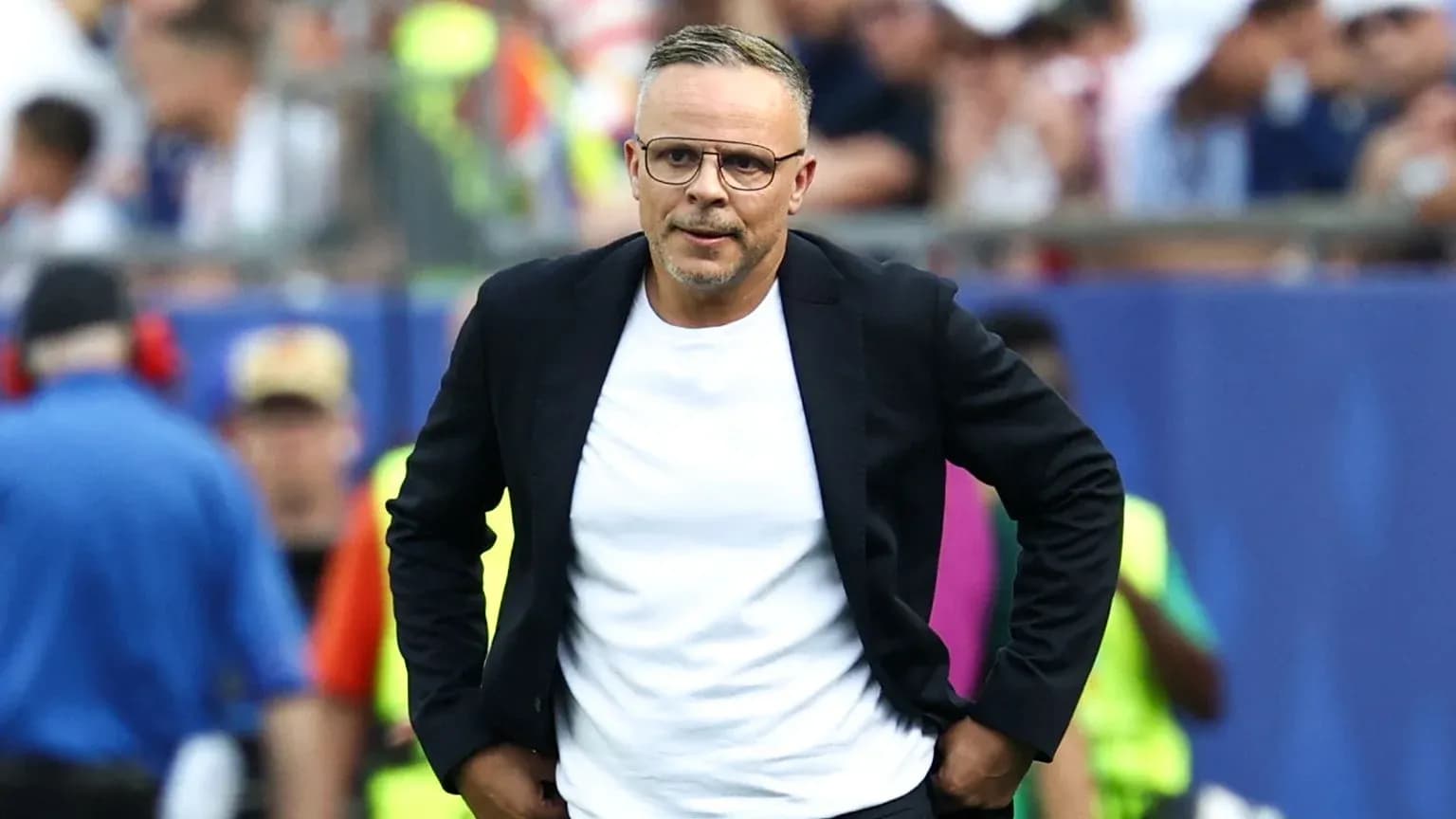
Ouahbi criticizes handball call but praises France's quality after defeat
Walid Ouahbi walked off the pitch still replaying the moment in his mind. The ball, the tangle of legs, the contact with Adrien Rabiot’s arm, the split-second of hesitation from his players – and then Kylian Mbappé burying it into the Moroccan net.
For the Morocco coach, France’s opening goal should never have stood.
He aimed his frustration squarely at referee Facundo Tello, convinced that the move was tainted before Mbappé ever touched the ball. In his eyes, Rabiot had handled it, and that changed everything.
“The goal came from a bit of a… shared ball, some people stopped because they saw a handball,” he told beIN Sports, still bristling from the intensity of the contest. “It was a handball, I don’t know if it should have been called or not, I don’t know.”
That brief pause from his players – that instinctive reaction to what they believed was an infringement – proved costly. France didn’t stop. Morocco did, just long enough for Mbappé to punish them.
Yet Ouahbi refused to let the controversy dominate his analysis. Once the anger over the decision eased, the respect for the opposition surfaced.
“We have to admit that we played against a very good team,” the 49-year-old said. His side had been stretched, pinned back, and forced to suffer. And they did suffer. “We suffered a lot in the first half, and Bounou made a great save on the penalty.”
That save from Yassine Bounou kept Morocco alive when the game threatened to run away from them. It bought time. It offered a sliver of hope.
After the break, Morocco finally started to look like themselves. The panic on the ball faded. Passes began to stick. The team pushed higher, defended with more control, and found some rhythm in possession.
“In the second half, we defended better and, above all, we were more composed with the ball. We were much better,” Ouahbi said. The contrast with the opening 45 minutes was stark. “In the first half, it seemed like some players were catching their breath. We saw that these same players started the second half well.”
The late stages were a test of nerve and legs. Morocco chased, France resisted, and the clock turned cruel. The equaliser never came.
“It was tough at the end,” Ouahbi admitted. The disappointment sat heavily on his words, but it did not drag them down into defeatism. His gaze was already drifting beyond the night’s frustration.
“I believe we must continue to believe, to work,” he insisted. The message was clear: this was a step, not a ceiling. “We must also continue to work on the basics, ensuring that when there are injuries, players who are less fresh, we can have a larger pool of players.”
Depth. Durability. Detail. Those are the themes he wants to build on from here.
“We will continue, we will not stop here. We are very disappointed, we wanted more, but we have to accept it.”
No excuses, just a lingering sense of what might have been – and a firm promise that Morocco’s story with this group is nowhere near finished.

