.svg&w=384&q=75 "GoalGist logo")
England Edges Mexico 3–2 in Tactical Thriller
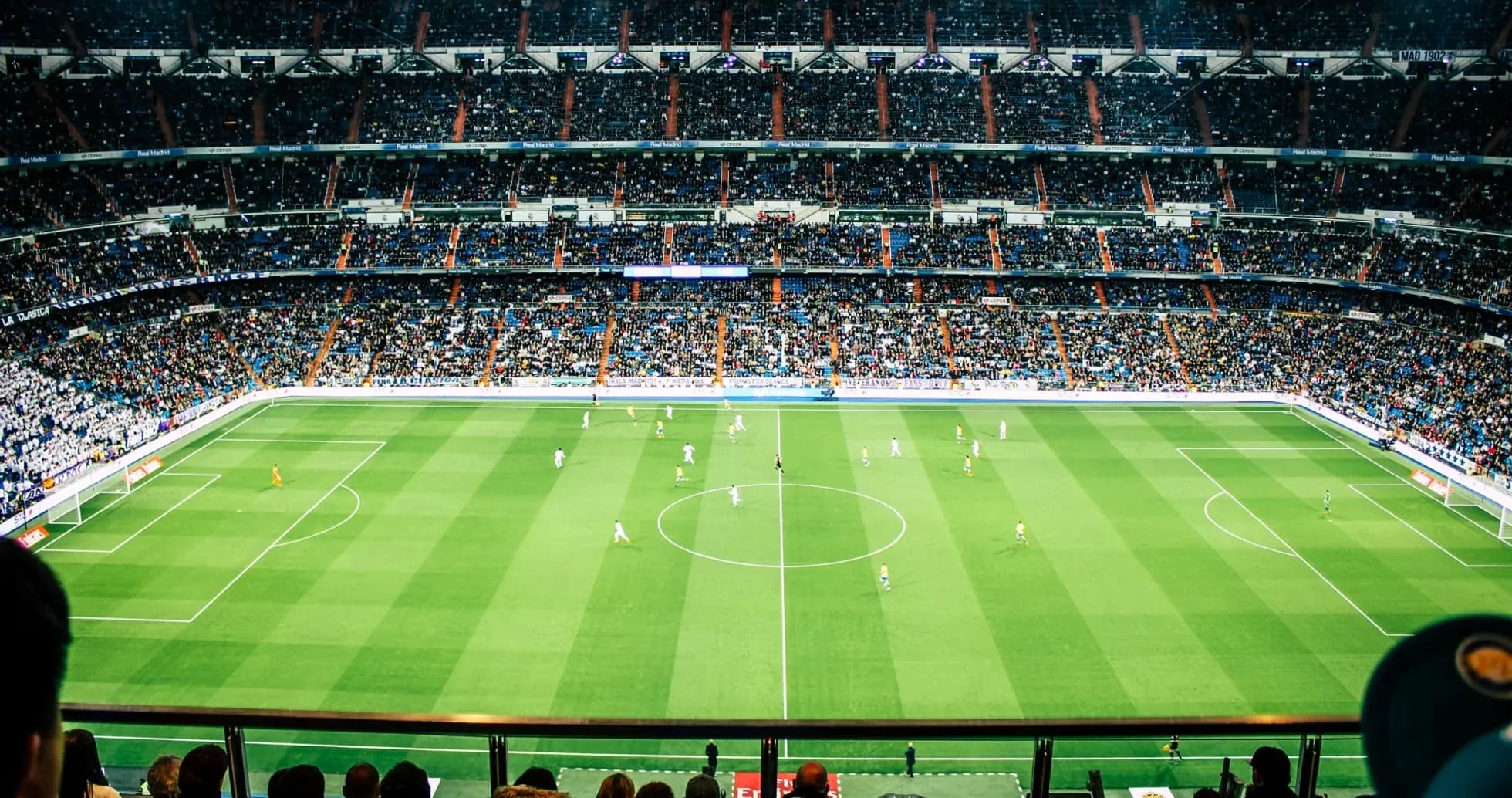
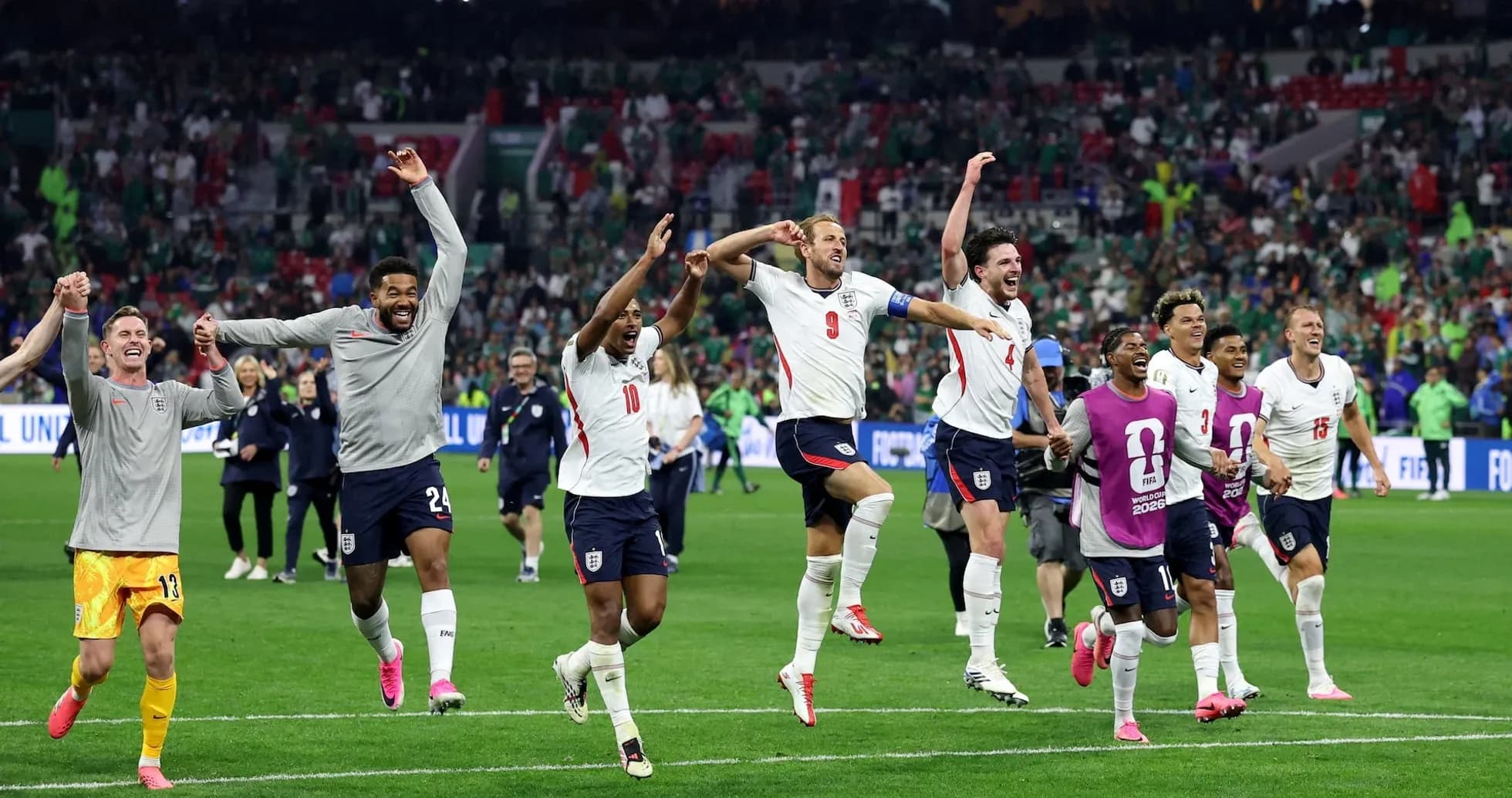
Under the lights of Estadio Banorte in Mexico City, a Round of 16 that promised tactical intrigue delivered a 3–2 England win that felt like a knife‑edge thriller rather than a routine passage. Both sides arrived as group winners, both with perfect or near‑perfect records, and both with clearly defined identities that shaped the narrative of this tie.
Mexico came in as the standard‑bearers of Group A: 9 points from 3 matches, 6 goals scored and none conceded in the group stage, a goal difference of 6 built on control and clean sheets. Across the tournament they had played 5 fixtures in total, winning 4 and losing just 1, with 10 goals scored overall and only 3 conceded. At home they had been particularly efficient: 4 matches, 3 wins, 1 defeat, 7 goals for and 3 against, averaging 1.8 goals scored and 0.8 conceded at Estadio Banorte. Their form line of WWWWL suggested a side that had learned to win in different ways.
England’s route from Group L had been more open but no less effective. They topped their group with 7 points from 3 games, scoring 6 and conceding 2 for a goal difference of 4. Across 5 matches in total they remained unbeaten, with 4 wins and 1 draw, 11 goals scored and 5 conceded. Their attack had been consistently productive, averaging 2.2 goals overall (2.0 at home and 2.5 on their travels), while their defence conceded 1.0 goal per match both at home and away. If Mexico’s story was one of defensive perfection in the group, England’s was of constant forward thrust.
Line-Ups
The line‑ups underlined the clash of philosophies. Javier Aguirre stayed loyal to Mexico’s most used shape, the 4‑3‑3 that had started 4 of their 5 tournament matches. R. Rangel in goal sat behind a back four of J. Gallardo, J. Vasquez, C. Montes and J. Sanchez. The midfield trio of L. Romo, E. Lira and G. Mora was designed to give balance: Romo as the shuttling connector, Lira as the organiser, Mora as the extra carrier. Ahead of them, a front three that had become the heartbeat of Mexico’s attack: R. Alvarado from the right, J. Quiñones from the left, and R. Jiménez through the middle.
Aguirre’s selection leaned heavily on form players. J. Quiñones came into the tie as one of the World Cup’s standout performers: 5 appearances, all starts, 4 goals and 1 assist, with 11 shots (6 on target) and 10 key passes across 414 minutes. His 9 successful dribbles out of 15 attempts and 20 duels won highlighted the dual threat of ball‑carrying and physicality from the left. R. Jiménez added a more orthodox penalty‑box presence: 3 goals from 14 shots (7 on target), 36 duels contested and 18 won, plus a successful penalty, all wrapped in a 7.28 average rating. On the creative side, Alvarado had quietly become Mexico’s chief supplier: 3 assists, 13 key passes, 7 successful dribbles from 8 attempts and 21 duels won, all while offering defensive graft with 9 tackles and 2 interceptions.
Opposite them, Thomas Tuchel doubled down on England’s tournament template: a 4‑2‑3‑1 that had started 4 of their 5 games. J. Pickford kept goal, shielded by a back four of N. O’Reilly, M. Guehi, E. Konsa and J. Quansah. In front, D. Rice and E. Anderson formed the double pivot, with a high‑calibre band of three — A. Gordon left, J. Bellingham central, B. Saka right — supporting H. Kane as the lone striker.
The spine of this England side had been statistically ruthless. Kane arrived as the competition’s leading scorer: 6 goals and 1 assist in 5 appearances, 15 shots with 10 on target, and 2 penalties scored from 2 taken. His 38 duels contested and 15 won, plus 7 fouls drawn and 7 committed, spoke of a forward who played the full physical game, dropping in to link, then spinning into the box. Behind him, Bellingham had matched Quiñones with 4 goals and 1 assist, but from a central midfield role: 11 shots (9 on target), 8 key passes, 12 tackles and 30 duels won from 58. He was England’s engine room and their late‑runner finisher rolled into one.
On the flanks, Saka embodied Tuchel’s asymmetry. Despite starting only 2 of England’s 5 matches but appearing in all, he had already produced 3 assists, with 56 passes at 82% accuracy, 3 key passes, 7 tackles and 18 duels won from 28. His 8 dribble attempts with 4 successful underlined the threat of one‑v‑one breaks once England played through the first line.
Defensive Profiles
The defensive and disciplinary profiles framed the match’s fault lines. Mexico’s overall defensive record — just 3 goals conceded in 5 matches, with 4 clean sheets — had been elite. They had not failed to score once. Their card distribution, though, hinted at potential late‑game volatility: 25.00% of their yellow cards in the 16–30 minute window, 50.00% between 61–75, and another 25.00% between 91–105, plus a red card shown in the 91–105 minute band earlier in the tournament. C. Montes himself had already been sent off once, despite an otherwise composed profile of 176 completed passes at 90% accuracy, 2 tackles, 1 blocked shot and 2 interceptions. That mix of composure and occasional rashness was always likely to be tested by Kane’s movement and Bellingham’s surges.
England’s card map was broader and more constant. Across the tournament, 14.29% of their yellow cards had come in each of the 0–15, 16–30, 31–45 and 46–60 minute ranges, with a spike to 28.57% between 61–75 and another 14.29% between 91–105. They had also already seen a red card in the 46–60 minute window, shown to J. Quansah, whose tournament line included 1 yellow and 1 red in just 117 minutes. D. Rice, with 2 yellows in 4 appearances, had become the reference point for controlled aggression in front of the back four, combining 166 passes at 91% accuracy with 12 key passes and 2 blocks. His duel with Quiñones between the lines was always going to be pivotal.
Narrative Overview
In narrative terms, this Round of 16 was built on two intersecting match‑ups. The “Hunter vs Shield” battle pitted Kane’s 6‑goal haul against a Mexico defence that had conceded only 3 times overall and kept 4 clean sheets, anchored by Montes and Vasquez in front of Rangel. The “Engine Room” contest saw Bellingham and Rice face Romo and Lira, with Alvarado and Saka as the wide conduits. With both sides perfect from the spot so far — Mexico 1 penalty scored from 1, England 2 from 2, and no penalties missed by either — any foul in the box felt like it could tilt the tie decisively.
Following this 3–2 England win in regular time, the statistical logic held: England’s higher scoring average and multi‑source threat ultimately overwhelmed Mexico’s previously watertight defence, but only just. The margins were as fine as the numbers suggested, and the story of this fixture was not a collapse of Mexico’s structure, but the triumph of England’s layered attacking quality over a side that had, until this night in Mexico City, looked almost unbreakable.