.svg&w=384&q=75 "GoalGist logo")
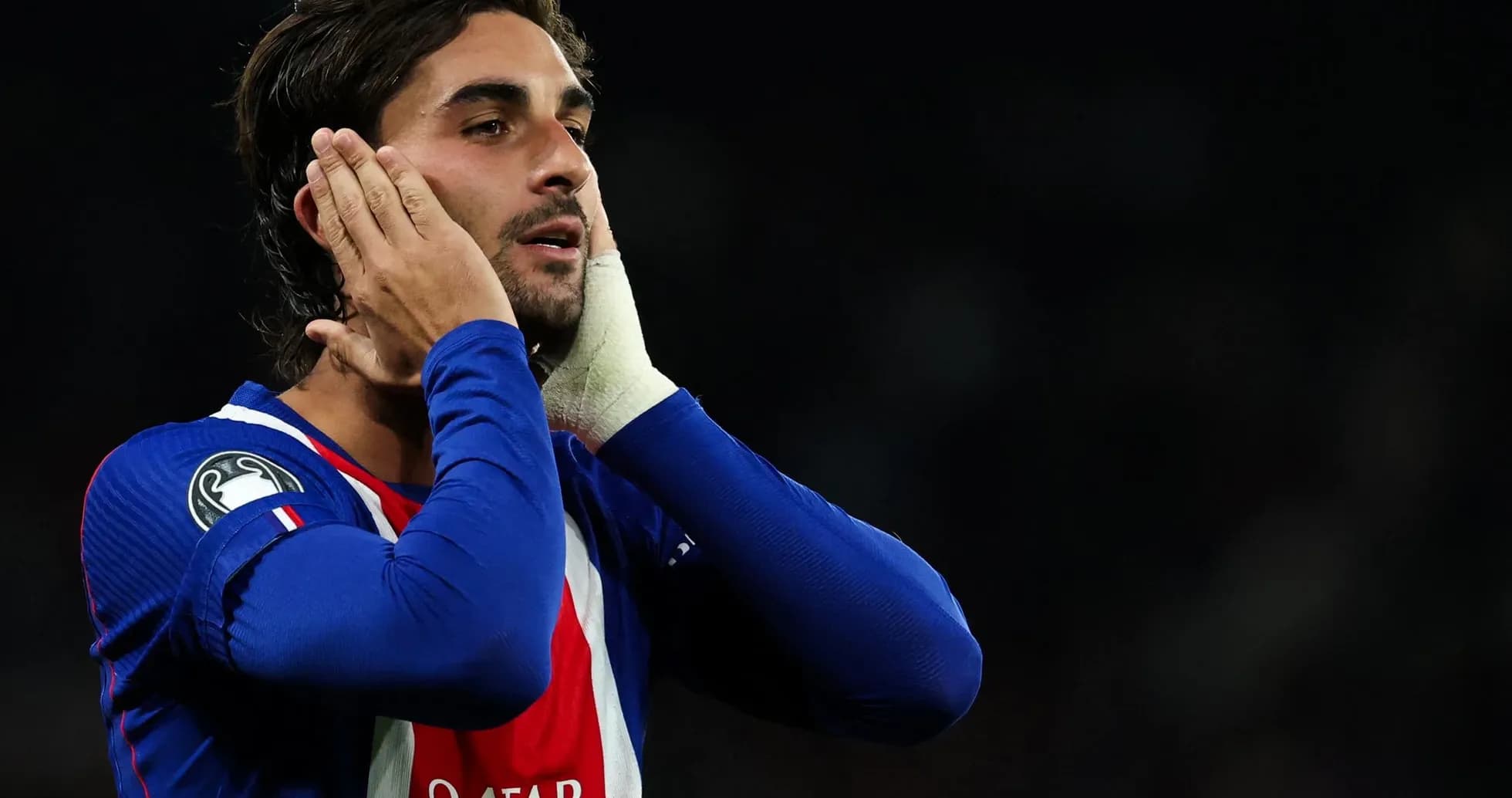
Transitioning to PSG: A New Chapter in Football
The move away from Catalonia last summer was never just about a change of shirt. For a 26-year-old who had grown up in that ecosystem, it meant ripping up his life as he knew it. The football part? That clicked almost instantly. The rest was harder.
New language. New streets. New habits. A different country and a different rhythm. The daily grind, not the 90 minutes, became the real challenge.
What softened the landing at the Parc des Princes were the familiar faces waiting for him. Luis Enrique, the coach he openly describes as a father figure in footballing terms, was there to greet him, offering continuity in the middle of chaos. In the dressing room, compatriots Fabian Ruiz and former La Masia product Dro Fernandez gave the place a Spanish core, a small pocket of home inside the back-to-back European champions’ camp.
The transfer itself barely gave him time to breathe. One moment he was settled in La Liga, the next he was on a plane, his world packed into suitcases. He summed it up bluntly: one day you’re here, the next you’re packing your bags. That is modern football — fast, ruthless, transactional.
He still found space for a joke. Asked about the abrupt separation from his old life, he quipped that there was one thing he definitely couldn’t bring with him: Pedri. The line landed with a smile, but it also underlined what he’d left behind.
On the pitch, though, there has been no sign of turbulence. Seven goals in his first six games in Paris have turned him from “new signing” into a central pillar of Enrique’s attacking plan. He hasn’t eased his way in; he has kicked the door down.
That explosive start comes on the back of a summer that already belongs in Spanish football history. His decisive strike in Spain’s 1-0 win over Argentina in the World Cup final delivered the biggest prize of all and announced him, definitively, on the global stage. From there, he carried that momentum straight into club football, his form refusing to dip.
The reward is recognition at the highest individual level. His name sits on the 30-man Ballon d'Or shortlist, alongside fellow Spaniards Lamine Yamal, Pau Cubarsi, Marc Cucurella, Rodri and PSG team-mate Ruiz. It is a roll call that underlines a resurgent generation, and his place in it.
Asked about the award, he stepped away from the usual campaigning and self-promotion. No lobbying, no grand claims. “Whoever’s meant to win it will win it; it’s not up to me,” he said, before adding a simple wish: if a Spaniard lifts it, all the better.
That stance fits the way he has approached his new chapter. Less talk, more end product. The real battle now is not for a trophy gala in December, but for consistency from August to May.
Having so quickly embedded himself as a key forward option in Paris, his task is clear. Keep scoring. Keep deciding games. Maintain the kind of ruthless efficiency that makes it impossible for Enrique to leave him out of the starting XI.
Do that, and he won’t just be driving PSG’s push for domestic dominance and another European crown. He’ll be forcing his name into every conversation about the game’s elite, not through slogans or speeches, but through the only argument that really matters in Paris: goals.