.svg&w=384&q=75 "GoalGist logo")
Spain Triumphs Over France in World Cup Semi-final
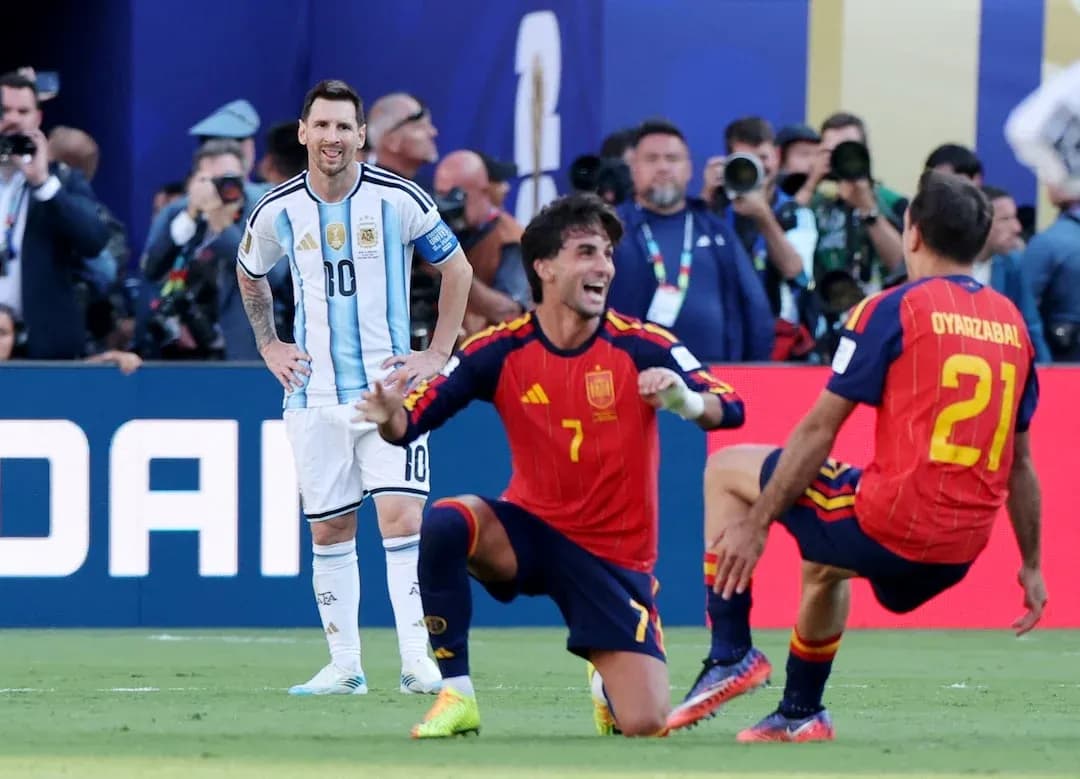
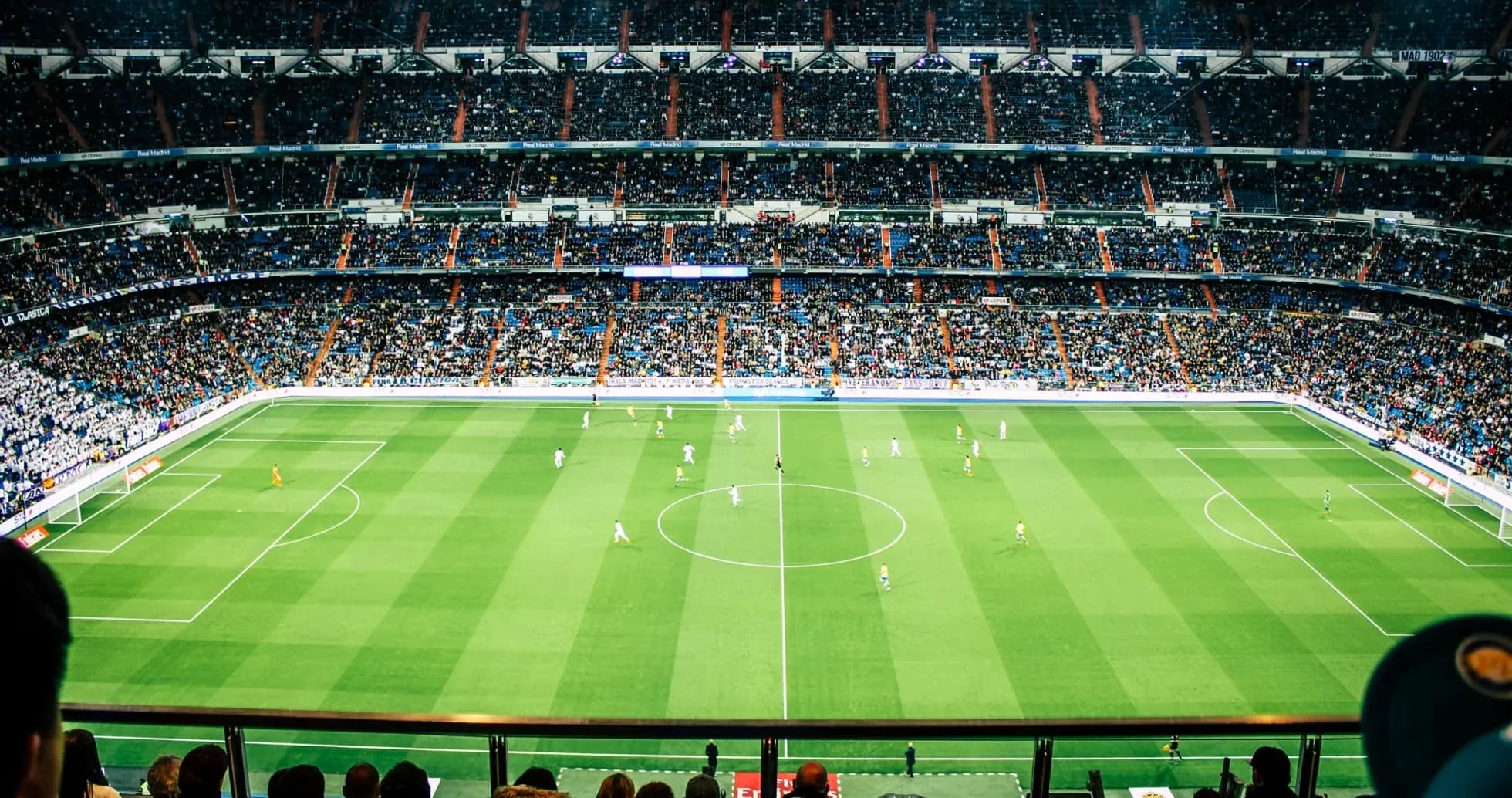
Under the big Texas sky at Dallas Stadium, a World Cup Semi-final between France and Spain finished with a cold, clinical verdict: Spain 2, France 0. Ninety minutes that began as a clash of attacking ideals ended as a lesson in control, with Luis de la Fuente’s side extending an unbeaten run that already read DWWWWWW heading into this game, and doing it against a French team that had swept through the tournament with 6 wins from 7 and a goal difference of +12 overall (16 scored, 4 conceded).
I. The Big Picture – Two Blueprints, One Winner
On paper, this was a meeting of two fully formed identities. France came in as group winners from Group I, perfect over 3 matches with 9 points and a group-stage goal difference of +8 (10 scored, 2 conceded). Spain mirrored that dominance in Group H, also top with 7 points, unbeaten and unbreached in the group, their +5 goal difference built on 5 goals scored and none conceded.
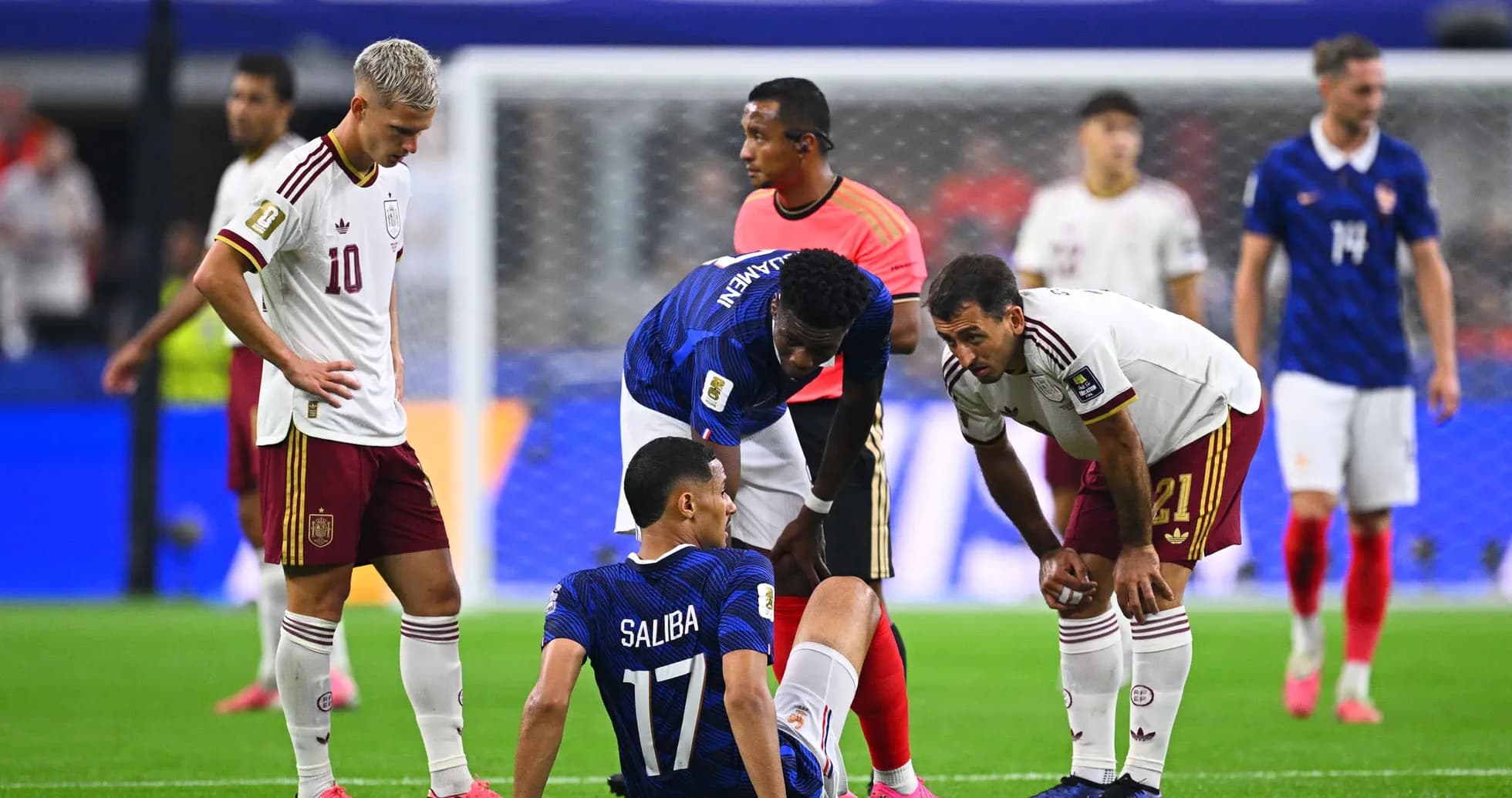
The Semi-final lineups told a clear tactical story. Didier Deschamps doubled down on his tournament template: a 4-2-3-1 that had started every match, here with Mike Maignan behind a back four of Jules Koundé, Dayot Upamecano, William Saliba and Lucas Digne. Aurélien Tchouaméni and Adrien Rabiot anchored midfield, with an attacking trio of Ousmane Dembélé, Michael Olise and Bradley Barcola supporting Kylian Mbappé as the spearhead.
Spain answered with their own established structure: a 4-1-2-3 that has been their most-used shape (5 appearances this tournament). Rodri sat as the single pivot, Dani Olmo and Fabián Ruiz as dual interiors, and a front three of Lamine Yamal, Mikel Oyarzabal and Álex Baena stretching the pitch. Behind them, Unai Simón marshalled a back line of Pedro Porro, Pau Cubarsí Paredes, Aymeric Laporte and Marc Cucurella.
France arrived as the tournament’s most explosive attack, averaging 2.3 goals per game overall, with 2.2 at home and 2.5 on their travels. Spain, more understated but ruthlessly efficient, had 1.9 goals per game overall (2.3 at home, 1.3 away), yet the real weapon was their defence: just 1 goal conceded in 7 matches, an overall average of 0.1 per game, with 0.3 at home and 0.0 away.
II. Tactical Voids – Where the Plans Frayed
Neither side carried formal absences into the match; the squads were full, the stakes absolute. The voids that appeared were tactical, not medical.
For France, the first crack was psychological and structural. This was a team that had failed to score only once all tournament heading into this Semi-final, yet they had also shown a hint of fragility from the spot: 2 penalties awarded overall, 1 scored and 1 missed. That 50% record from the spot hinted at a side that, for all its attacking brilliance, could still leave margins on the table.
Spain, by contrast, arrived with clean-sheet authority: 6 shutouts in 7 matches overall, including all 3 on their travels. That defensive platform allowed de la Fuente to commit his interiors and full-backs forward without fear.
Disciplinary patterns added another layer. France’s yellow cards had a late-game tilt: 33.33% of their bookings came in the 76–90 minute window, with additional spikes at 0–15, 16–30, 61–75 and 91–105 (each 16.67%). Spain’s cautions clustered around pressure phases: 33.33% between 31–45 minutes, 16.67% from 46–60, and a striking 50.00% between 91–105. Both sides, though, had navigated the tournament without a single red card.
In this Semi-final, as France chased the game after going behind before half-time, that late-card tendency loomed: a side forced to accelerate, stretch and foul more often in the final quarter against a Spain team comfortable in drawing opponents onto them.
III. Key Matchups – Hunter vs Shield, and the Engine Room
Hunter vs Shield
Mbappé entered Dallas as the World Cup’s most devastating finisher: 8 goals and 3 assists in 7 appearances, with 30 shots (19 on target) and a stellar rating of 7.96. His duel with Spain’s collective defensive record – just 1 goal conceded overall, 6 clean sheets, 0.0 goals conceded on their travels – was the defining confrontation.
Yet Spain’s shield was not a single player but a structure. Laporte’s leadership, Cubarsí’s composure, Cucurella’s aggression and Porro’s verticality were all framed by Rodri’s positioning. For perhaps the first time this tournament, Mbappé found himself facing a block that could match his timing and deny him the space to turn his 29 dribble attempts (11 successful overall) into decisive breaks. The missed penalty earlier in the tournament lingered in the background; against a defence this tight, every half-chance carried the weight of that earlier squandered margin.
On the opposite side, Oyarzabal arrived with 5 goals and 1 assist, 20 shots with 11 on target, and a rating of 7.27. His movement between Saliba and Digne targeted the subtle weak points of a French defence that, while solid (4 goals conceded overall, 0.6 per game), had not faced a front three this fluid since the group stages.
The Engine Room
If the goals were the headline, the midfield battle wrote the story. Tchouaméni and Rabiot had underpinned a French side that averaged 2.3 goals for and only 0.6 against overall, allowing the front four to thrive. But Spain’s triangle of Rodri, Olmo and Fabián Ruiz offered something different: control.
Rodri’s role as the single pivot was the axis around which Spain’s possession turned. Olmo, with his ability to receive between lines, and Fabián, with his range of passing, repeatedly asked questions of France’s double pivot. Olise, usually France’s creative hub with 5 assists, 355 passes at 86% accuracy and 78 duels contested (42 won), was pushed deeper and wider to find space, blunting his capacity to thread Mbappé and Dembélé into the channels.
IV. Statistical Prognosis – Why Spain’s Plan Prevailed
Heading into this Semi-final, the underlying numbers hinted at a razor-thin margin. France’s attack was marginally more prolific, Spain’s defence significantly more watertight. France had 6 wins from 7, Spain 6 wins and 1 draw from 7, both unbeaten in regular time until France’s late loss in the previous outing.
In Dallas, the balance tipped towards defensive solidity and control. Spain’s ability to maintain their extraordinary defensive averages – 0.1 goals conceded overall, 6 clean sheets, none conceded away – against the tournament’s most dangerous forward in Mbappé was decisive. France’s reliance on their front four to outscore opponents ran into a system designed to suffocate space, recycle the ball and punish transitions.
Following this result, the narrative of the World Cup shifted. France’s attacking constellation – Mbappé, Dembélé, Olise, Barcola – left Dallas empty-handed, their 16 goals overall suddenly irrelevant. Spain, with their measured 13 goals scored overall and almost perfect defensive wall, advanced from the Semi-finals not as underdogs who survived, but as a machine that had solved the tournament’s most complex attacking puzzle.