.svg&w=384&q=75 "GoalGist logo")
Paolo Maldini Appointed Technical Director of Italy Football
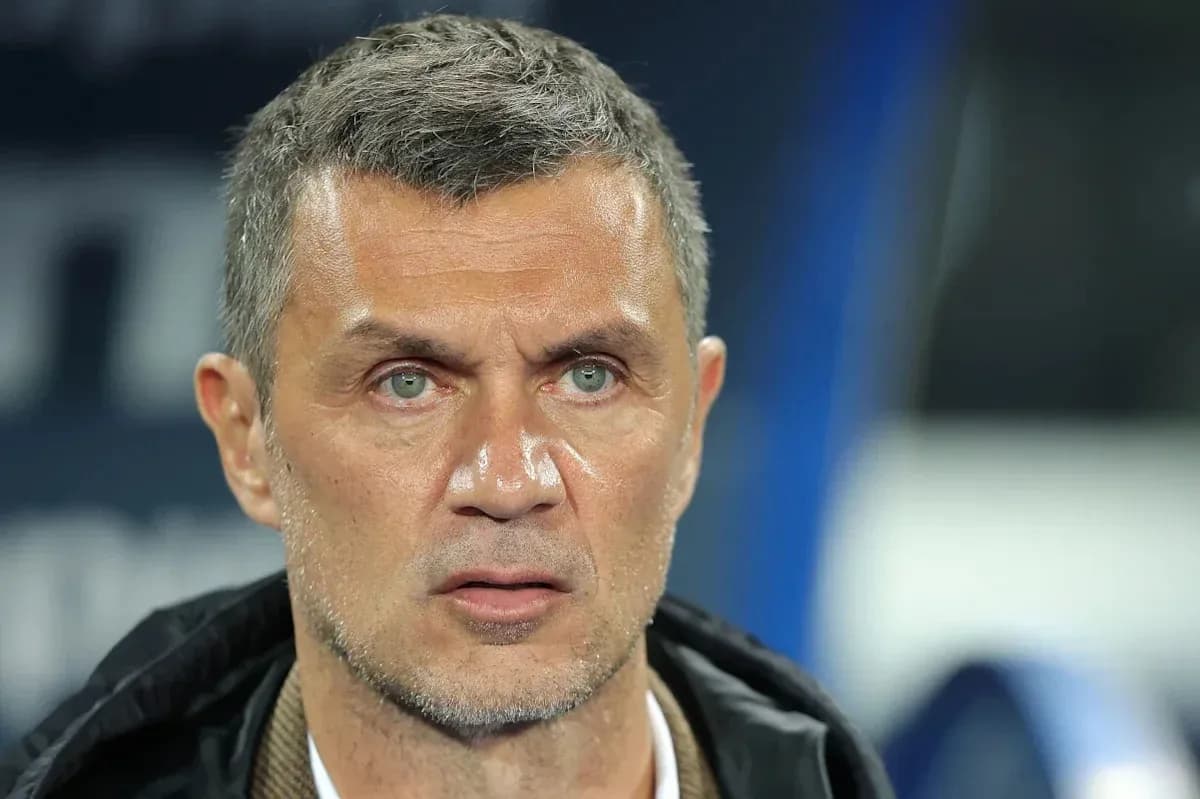
Paolo Maldini steps back into the heart of Italian football not as the elegant left-back who glided through generations, but as the man asked to help rebuild a fallen giant.
On Saturday night, the FIGC made it official: Maldini is Italy’s new technical director, the figurehead of a fresh project designed to drag the Azzurri out of the wilderness after yet another World Cup watched from the sofa. Alongside him, Leonardo arrives as advisor, rekindling a partnership that Milan fans know well.
For a country that has turned the last three World Cups into television events, the symbolism is powerful. Italy needed a reset. They chose a Maldini.
A legend at the controls
This is not a sentimental appointment. Inside Coverciano and across the peninsula, the reaction has been strikingly unified: this feels like a serious move.
Giovanni Malagò, the new FIGC president, has made his first major call, and it has landed with weight. Before a new coach, before tactical debates and squad lists, he has installed a football mind who carries authority in every dressing room he walks into.
Dino Zoff, who coached Maldini at Euro 2000 and lifted the World Cup in 1982, did not bother hiding his approval.
“Paolo has given so much for our football, to Milan in particular but also for the national team,” Zoff said, recalling not only the player but the dynasty. He even went back to Cesare Maldini, Paolo’s father and Enzo Bearzot’s assistant when Italy conquered the world in Spain. The lineage matters. It always has in Italy.
For Zoff, the fit is obvious: “Maldini is a perfect appointment in terms of character, charisma and competence. I also understand the choice of Leonardo as an advisor. It’s right that a leader surrounds himself with people he trusts.”
Trust, in this case, comes wrapped in red and black memories but pointed towards blue.
Choosing the next Italy
Maldini’s first task is as delicate as it is decisive: pick the next head coach of the national team.
Names are already circling in the Italian press. Antonio Conte. Roberto Mancini. Familiar, battle-tested, both with strong personalities and clear tactical identities. Then there are the dream scenarios being floated: Pep Guardiola, Didier Deschamps. Intriguing, unlikely, but revealing of the ambition many would like to see.
Zoff, though, cut through the noise. “Maldini has to be free to follow his beliefs, without external interference,” he said. That sentence goes to the heart of Italy’s long-standing problem: too many hands on the wheel, too many voices in the room.
This time, the expectation is different. Maldini’s stature gives him space. The federation has asked him to lead; now it must let him.
The Maldini–Leonardo axis
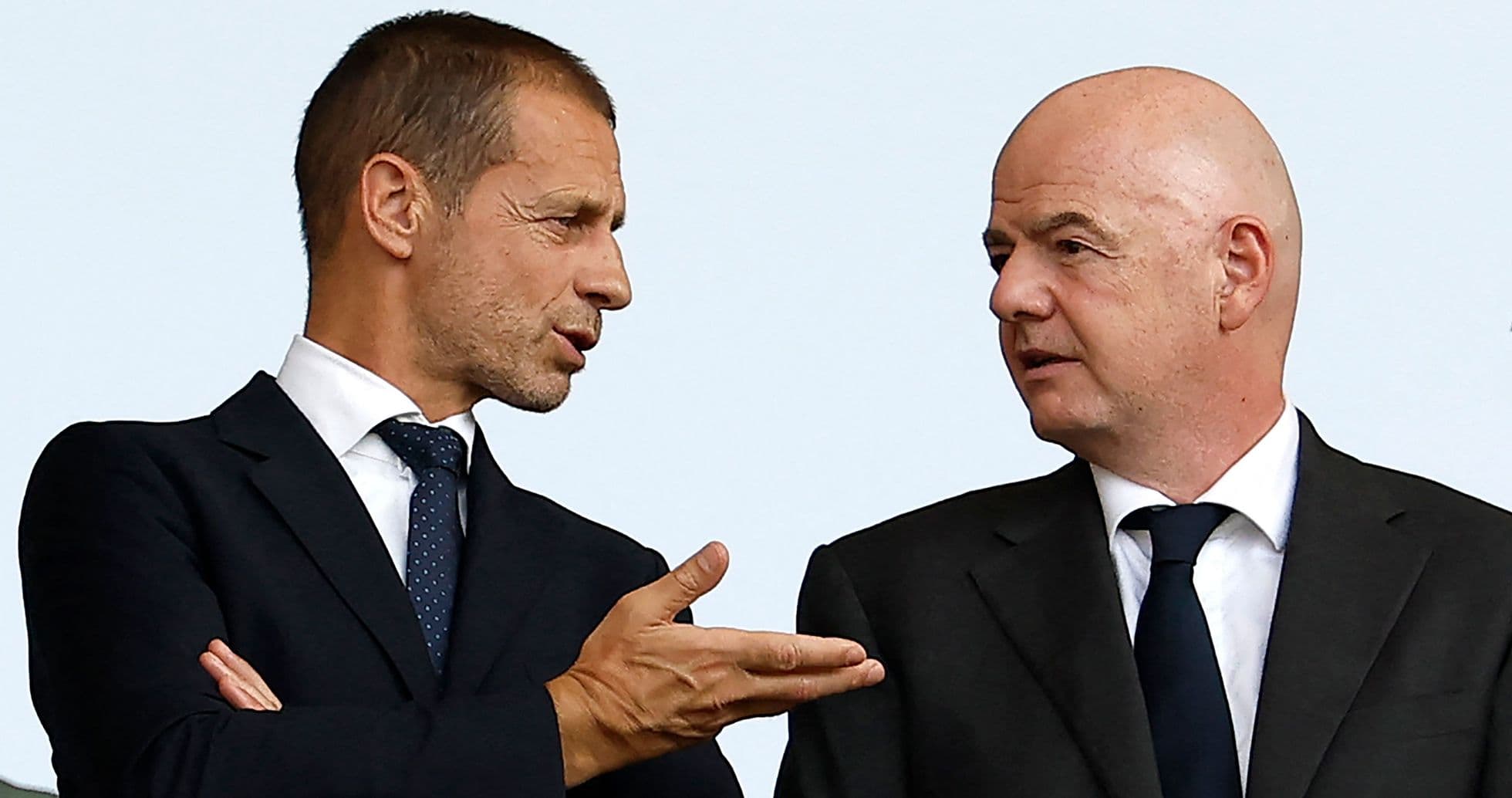
The image is still fresh: Bergamo, February 2019, Maldini and Leonardo standing side by side before Atalanta vs Milan, deep in conversation. Back then they were shaping a club. Now the remit is an entire football culture.
Alessandro Costacurta, who shared a backline and a trophy cabinet with Maldini at San Siro, sees the significance.
“This is great news for Italian football, because we have brought in one of the most illuminated and sincere people in the sport,” the former defender said. Coming from a man who knows Maldini’s standards from inside the dressing room, it carries weight.
Costacurta did not stop there. “Malagò made the best possible choice. In fact, picking Maldini is perhaps more important than choosing the new coach.”
That line will resonate. In a country where the CT is usually the sun around which everything orbits, he is suggesting a shift: structure first, then the man on the bench.
Leonardo’s role fits that idea. “Leonardo is more of a dreamer, a visionary, whereas Paolo is more practical, looks to his knowledge and instinct,” Costacurta added. It is a blend Italy has often lacked: one eye on the horizon, one firmly on the grass.
“The best thing about them is that they listen to each other, despite starting from different ideas, and always manage to find a common solution.” That habit of dialogue, of friction turned into decisions, will now be tested on a national scale.
A new project, an old responsibility
While France, Spain, Argentina and England chase glory in a World Cup semi-final lineup that does not include Italy yet again, the Azzurri have chosen a different kind of headline. No new coach unveiled, no tactical manifesto. Instead, a structural pivot.
Italy were desperate to rebuild. They have started by handing the keys to a man who has lived almost every high and low the shirt can offer.
The country has seen Maldini the player, the captain, the symbol. It now waits to see Maldini the architect.