.svg&w=384&q=75 "GoalGist logo")
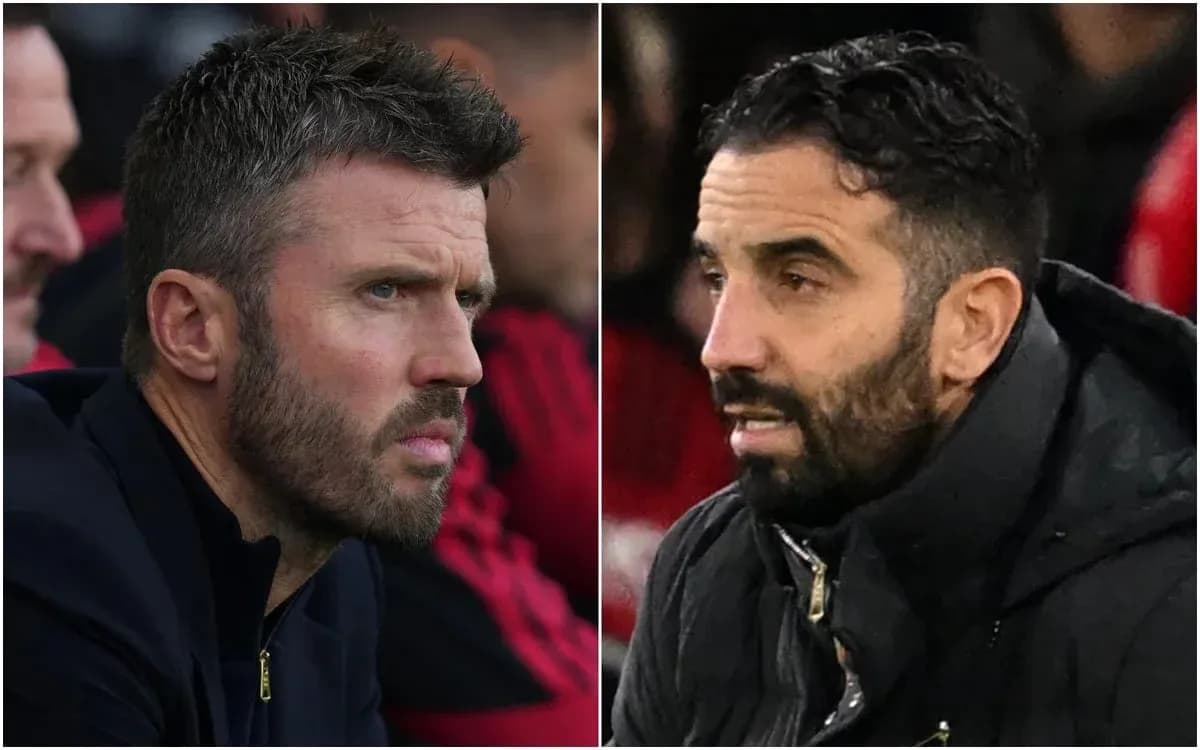
Manchester United's Struggles Under Michael Carrick: A Troubling Parallel to Amorim
The feel-good story was supposed to roll on at Manchester United.
Michael Carrick, the calm hand on the tiller, had turned last season around from the moment he stepped in as interim in January. From that point, no one in the Premier League collected more points. United surged to third, the mood shifted, and for the first time in a long time, Old Trafford dared to look forward.
Seven games into his first full campaign, that optimism has evaporated. In its place: an uncomfortable sense of déjà vu, and a growing number of glances back at Ruben Amorim’s ill-fated start 12 months earlier.
Same numbers, same nagging doubts
Strip away the emotion and the records look eerily familiar.
After seven games, Carrick’s United have won two and lost three. That is exactly the same return Amorim produced at the same stage last season. If you want to be harsh, you could say Amorim’s start was even worse, given the 2025-26 Carabao Cup penalty shoot-out defeat to Grimsby that technically goes down as a draw but felt very much like a loss.
United are already out of the Carabao Cup this season too, beaten by Brighton last week. Another early exit, another competition gone before the autumn has really begun.
The league table makes for equally grim reading. United sit 12th, with just five points from their first five league games. That is their joint-lowest tally at this stage of a Premier League season, matching the 2014/15 return under Louis van Gaal. Only newly promoted Ipswich have been beaten by Carrick’s side in the league.
Amorim’s numbers were hardly better. Six of his first seven games last season were in the league and United were 14th after home wins over Burnley and Chelsea. Different managers, different styles, almost identical sense of drift.
Under the bonnet, the same story
Look at the underlying data and the parallels tighten.
This time last year, United sat fourth in the expected-points table, even though they were 14th in reality. The metrics said they were playing like a top-four side, the results said otherwise.
Now? The xPts model has them sixth. The actual table says 12th.
The main driver is the same in both seasons: United are creating more than they are finishing. Under Amorim at this stage last year, they had scored seven league goals from an expected-goals figure of 12.04. The gap was gaping.
Carrick’s side are following a similar pattern. Their xG sits at 10.59, but they have only eight goals to show for it. The difference is smaller, but still significant. The chances are there. The net isn’t bulging enough.
You can spin that as a reason to stay calm. Last season, United eventually closed the gap between xG and actual goals to just over three by the end of the campaign. Finishing did improve. Results followed.
Or you can look at the same numbers and ask a blunter question: do they have enough genuine finishers in this squad?
Different manager, different mood
Where things diverge is the noise around the club.
Carrick, for now, enjoys something Amorim never really had: goodwill. Last season’s third-place finish and the style of the revival have given him credit in the bank. There is an acceptance that he has earned time.
Amorim never escaped the storm. After seven games of 2025-26, the pressure was already suffocating. He had taken just 34 points from 33 league matches overall and had never managed back-to-back Premier League wins. Every stumble felt like another step towards the exit.
There was also a clear tactical narrative against him. His commitment to a wing-back system was mocked and dissected. Pundits and supporters lined up to say a back four would suit the squad better. He refused to bend, and that stubbornness became the lens through which everything was judged.
Carrick has not been boxed into that kind of tactical caricature yet. The criticism after Sunday’s limp draw with struggling Fulham was more about attitude than shape. The charge sheet focused on a lack of intensity off the ball, with plenty of running data to support the claim that United simply did not work hard enough.
The system is not on trial. The effort is.
Lessons from Amorim – and a warning
Amorim tried to sound unruffled as the pressure built. “I am never concerned about my job,” he said after United’s seventh game of last season, a 3-1 defeat at Brentford.
The results never truly turned. He clung on until January, and even then it took him publicly criticising the board to finally force the issue. When he left, United were sixth. Not a disaster on paper, but nowhere near enough for a club of this size given the trajectory and the mood.
Now he is at AC Milan, unbeaten and only two points off the top in Serie A. The problem, as ever at Old Trafford, was not just the manager.
Carrick is nowhere near that kind of brink. He was only given the job permanently in May on a two-year deal. The club hierarchy do not want another reset, another new project, another cycle of upheaval.
Yet the warning lights are there. The numbers look familiar. The table looks familiar. The grumbles are getting louder.
Gary Neville put it plainly after the Fulham draw: “If those types of performances continue, he will find himself in a lot of trouble.”
The data says United should be better than 12th. The eye test says they are not. Something has to give first – the finishing, the intensity, or the manager.