.svg&w=384&q=75 "GoalGist logo")
International Break: Clubs Tackle Three-Week Pause
The club game has hit pause. Not for the usual blink-and-you-miss-it fortnight, but for three full weeks. A stretch that feels like an eternity for players wired to compete every three or four days.
For the first time, the Premier League and Championship have been shut down for a three-week international window, with the traditional September and October breaks merged into one. The calendar looks bloated, but the maths is simple: four international fixtures, one longer block, and in theory club football gains back a week later in the season.
Fans still groan at the thought of a break. Coaches and conditioners see something else: a problem to solve, an opportunity to grab, and a lot of restless footballers to manage.
Brentford: a quiet training ground and a reset
At Brentford’s base, it is eerily quiet.
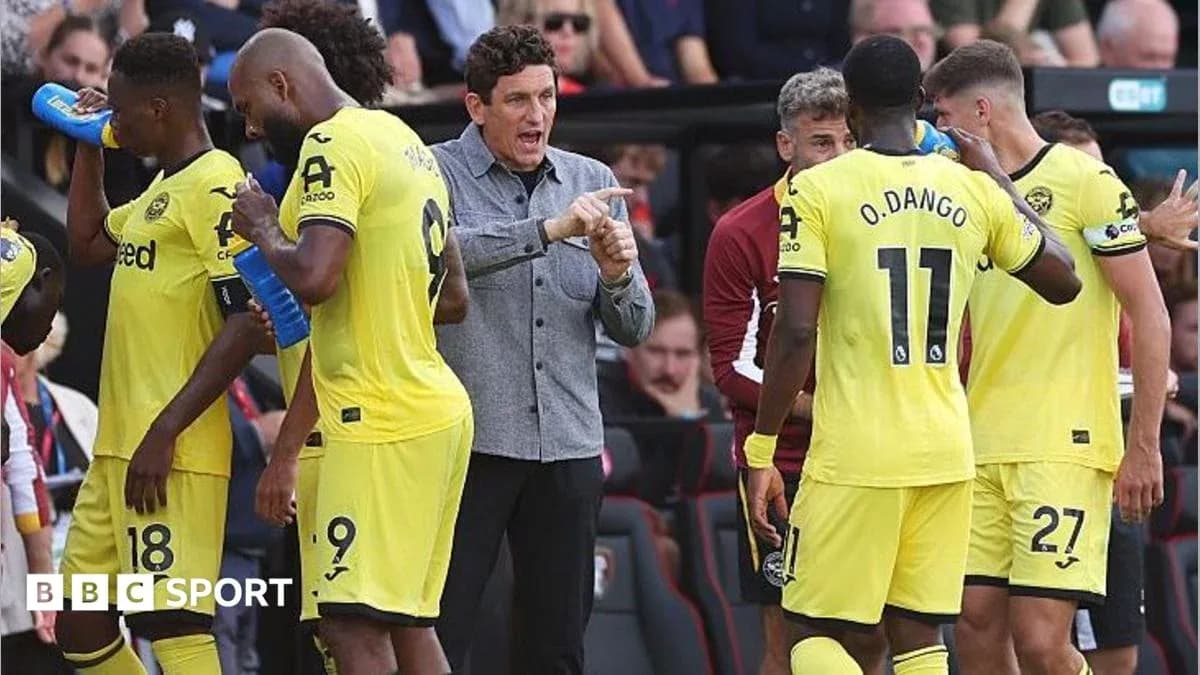
Most of the Bees’ squad are scattered around the globe on international duty. Around a dozen players remain, including Callum Wilson and Igor Thiago, and five are on the comeback trail from injury. Their break is even longer than most after hosting Chelsea on the Friday night before the pause.
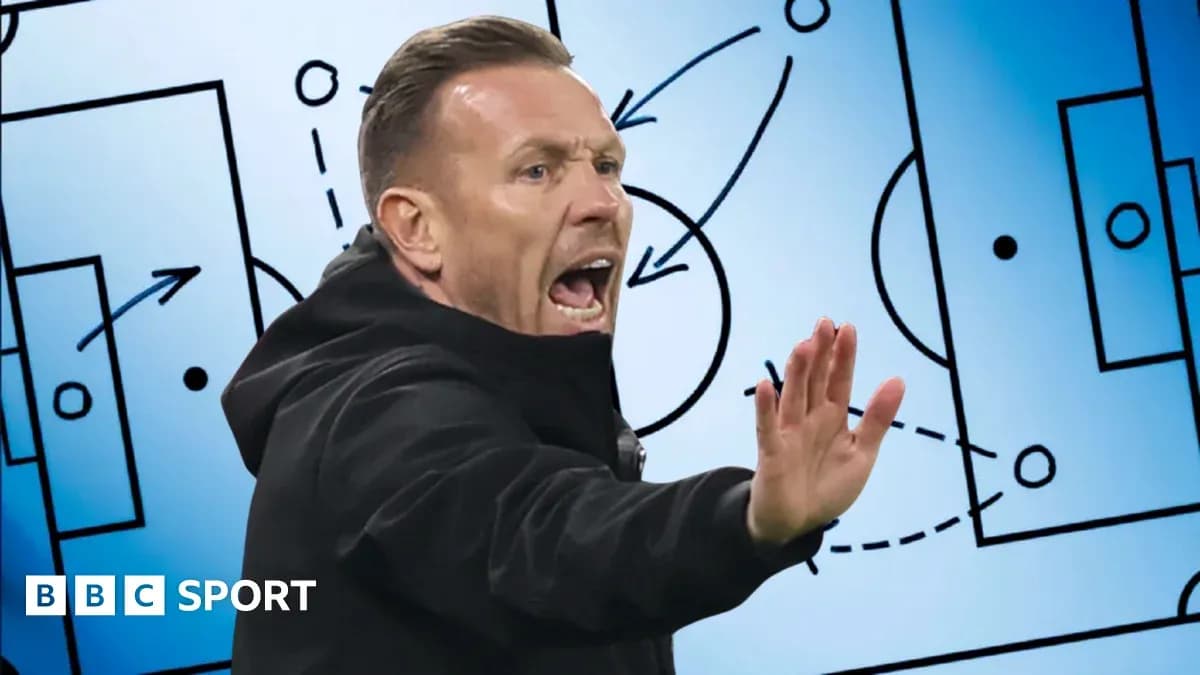
Keith Andrews has chosen a clean cut. His first-team players have been handed a week off, sent away with individual training plans but no heavy-handed restrictions. Technically, they can leave the country, but nobody expects long-haul trips to be signed off for legs that need rest, not jet lag.
The squad will regroup on Saturday, 26 September. From there, the focus snaps back to football: training resumes and a behind-closed-doors friendly is pencilled in for the weekend of 3 October against another English club.
That game could be important. It may offer Nathan Collins and Sepp van den Berg a first taste of action after injury, with under-21 players fleshing out the rest of the squad. A low-key fixture, but a crucial one for rhythm and recovery.
The second international break, though, will be a different beast. Brentford play Brighton on Sunday, 8 November and are back at it against Everton on Saturday, 21 November. With games bookending that window, Andrews is planning something closer to normality: perhaps the odd day off, but largely a standard training schedule and no friendly, just the usual build-up to the Toffees.
Liverpool: thin group, tight turnaround
At Liverpool, there is no grand tour or trophy game. Just work.
With the bulk of the squad away, Andoni Iraola will keep training ticking over with the small group left behind, slotting in a few days off to protect legs and minds.
The real challenge comes later. Liverpool host Manchester City on 11 October, and Iraola expects to have “no more than three days probably to prepare” with a full squad once his internationals return. For a coach who lives on detail, that is a squeeze. The break feels long now; it will feel brutally short when City loom on the horizon.
Aston Villa: Emery goes back to Sevilla
Aston Villa have taken a very different route.
Unai Emery is heading home. The Spaniard will return to former club Sevilla, where he built his reputation by winning three straight Europa League titles. This time, he brings Villa with him.
The two clubs will meet in the 15th edition of the Antonio Puerta Trophy on Friday, 2 October. The match carries a weight that goes beyond fitness and tactics. It honours Antonio Puerta, the Sevilla wing-back who died aged 22 on 28 August 2007 after suffering multiple cardiac arrests during a La Liga game against Getafe.
For Villa, it is a high-level friendly in a charged atmosphere. For Emery, it is a return to a place that shaped his career. For both squads, it is a way to keep sharp without the flatness that can creep into training-ground games.
Championship: a breather Blackburn badly needed
Drop down to the Championship and the picture changes. Fewer players are called up, fewer dressing rooms are emptied.
Blackburn Rovers, for example, have just four internationals away. For Tony Mowbray, that is perfect.
Rovers have been hammered by injuries in the opening weeks of the season, with more than 10 players sidelined at one point. The break offers a rare chance to steady the ship. Recent returnees Gady Beyuku and Moussa Baradji can be eased back in, while others such as Scott Wharton edge closer to full involvement.
After their trip to Portsmouth on Saturday, Rovers headed back to Lancashire. This week brings valuable time on the training ground, something Mowbray has barely had since returning to the club in the summer amid a packed schedule of league fixtures and Carabao Cup ties.
He will not flog them, though. Players will get a few days off at the end of the week. Someone like Yuri Ribeiro can fly back to Portugal if he wants, recharge properly, then report back.
The pattern repeats in week two: training early in the week, a short weekend break, then back into the groove. By week three, it is business as usual, with a full pre-match routine before the home game against Cardiff.
Mowbray is also hunting for a behind-closed-doors friendly against a Premier League or League One side. It would give returning players vital minutes and keep the rest of the squad sharp. When the fixtures resume, he wants no one starting from a cold standstill.
Come the shorter two-week break in November, the plan will shift again. Players should still get a brief spell off, but friendlies are more likely to be internal, mixing senior and under-21 players in in-house games.
League One: threading the gaps
League One lives in a different rhythm. The division keeps playing through international windows unless a club has at least three call-ups that meet the EFL criteria, at which point a postponement can be requested.
This time, the calendar has been shredded. Only four of the 12 league matches have survived on each of the two weekends. The rest are off, leaving some clubs staring at gaps that could easily have turned into three-week black holes.
Plenty of them saw it coming and moved early. Many have scheduled Football League Trophy ties across this period, using a competition in which rotation is the norm to plug the holes. Even with league games postponed, Trophy fixtures can go ahead with mixed line-ups.
Twelve teams will play twice in the Trophy during the break, with another 10 clubs playing once. That scheduling safety net means only Leyton Orient and Reading were ever really at risk of having no competitive football at all. As it stands, both have had just one league game postponed, so neither will be left with three completely empty weekends.
The international break has always split opinion. This one, stretched to three weeks, forces clubs to show their hand: rest or reps, travel or time at home, friendlies or pure training blocks. When the league restarts, we will find out who treated it as dead time—and who used it to get a step ahead.