.svg&w=384&q=75 "GoalGist logo")
England's World Cup Opener Against Croatia: Pressure and Decisions
England head into their World Cup opener against Croatia carrying more baggage than momentum, with the build-up dominated less by tactics and form and more by noise, nerves and a few self‑inflicted storms.
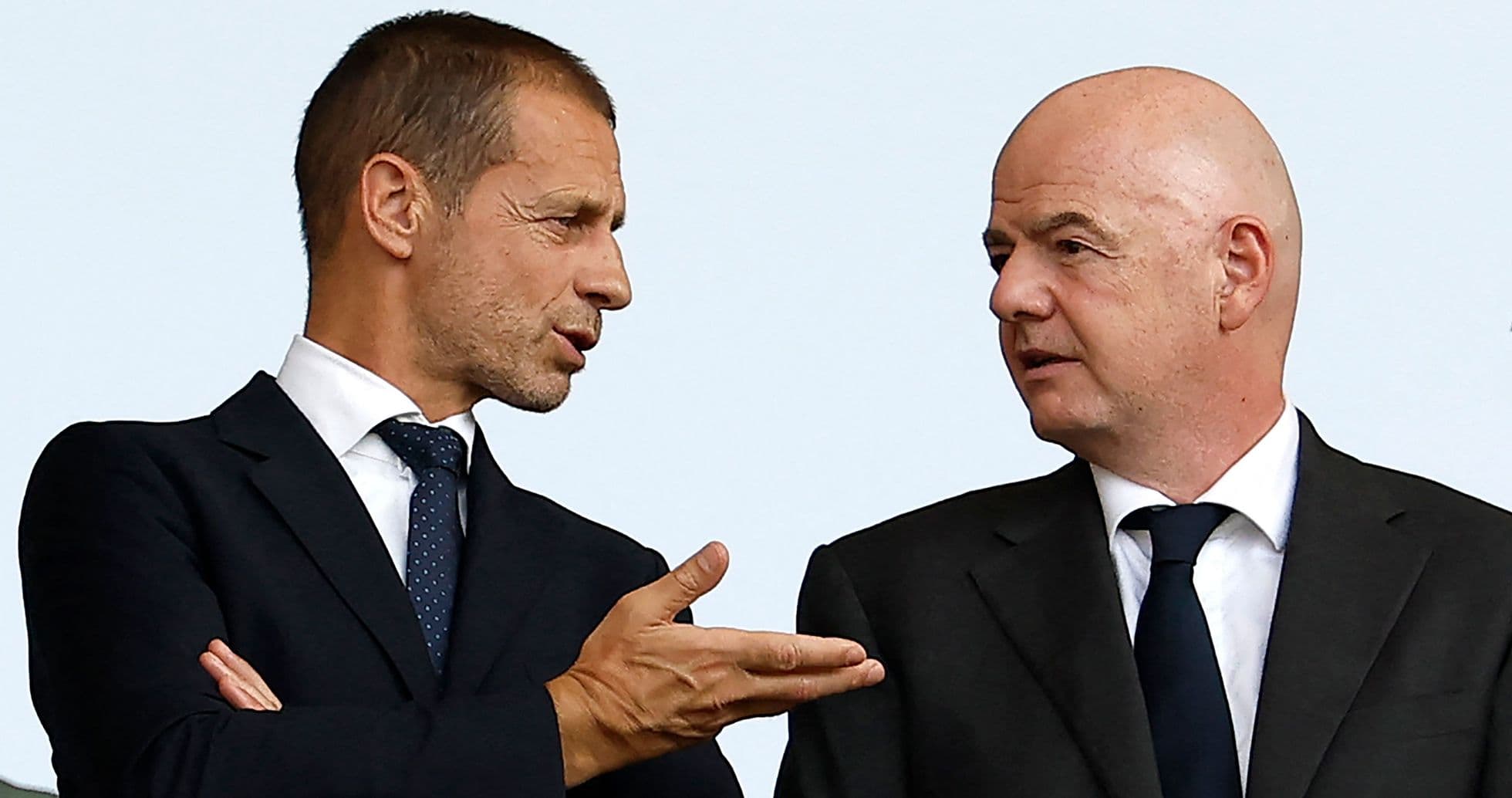
Thomas Tuchel knows the stakes. The message around the camp is blunt: reach the semi‑finals at least, or this campaign goes down as failure. For a squad already juggling injuries, selection calls and off‑field distractions, that’s a heavy line to carry into a first whistle.
Tuchel, Maguire and a brutal call
Harry Maguire’s World Cup ended before it began, and the manner of the decision has become a story of its own.
The defender revealed that Tuchel informed him he would not be going to the tournament via FaceTime. Not a quiet visit, not a phone call in the old‑fashioned sense, but a video call that somehow made a ruthless decision feel even more clinical.
Maguire also tried to relay the manager’s reasoning. Tuchel, he said, chose to stick with “the four lads that he got through the qualifying in the autumn camps where he felt like they did well during those six games.” Then came the sting. Maguire added that Tuchel “did say that he can’t really give me an excuse.”
The logic and the denial of logic sat side by side. The explanation was there in plain sight, even as the player insisted there wasn’t one. For a senior figure who has ridden out storms before, this one cuts differently: not dropped for form in a squad, but removed entirely from the World Cup picture.
Pressure without a safety net
As England prepare to face Croatia, the external demands have been dialled up to their usual deafening level.
A headline on the Sun website, attached to Martin Lipton’s column, captured the mood in one stark line: Tuchel “can have no excuses” and must “make the semi-finals at least or he has failed.” No margin for nuance, no allowance for the realities of tournament football that Spain, one of the favourites, have already been reminded of after being checked early.
The tone is familiar. A major tournament hasn’t even kicked off for England and already the manager’s work is being framed in terms of absolutes. Either he delivers something historic, or he falls short. That’s the backdrop to every team meeting and every fitness test this week.
Saka’s gamble and Arsenal’s unease
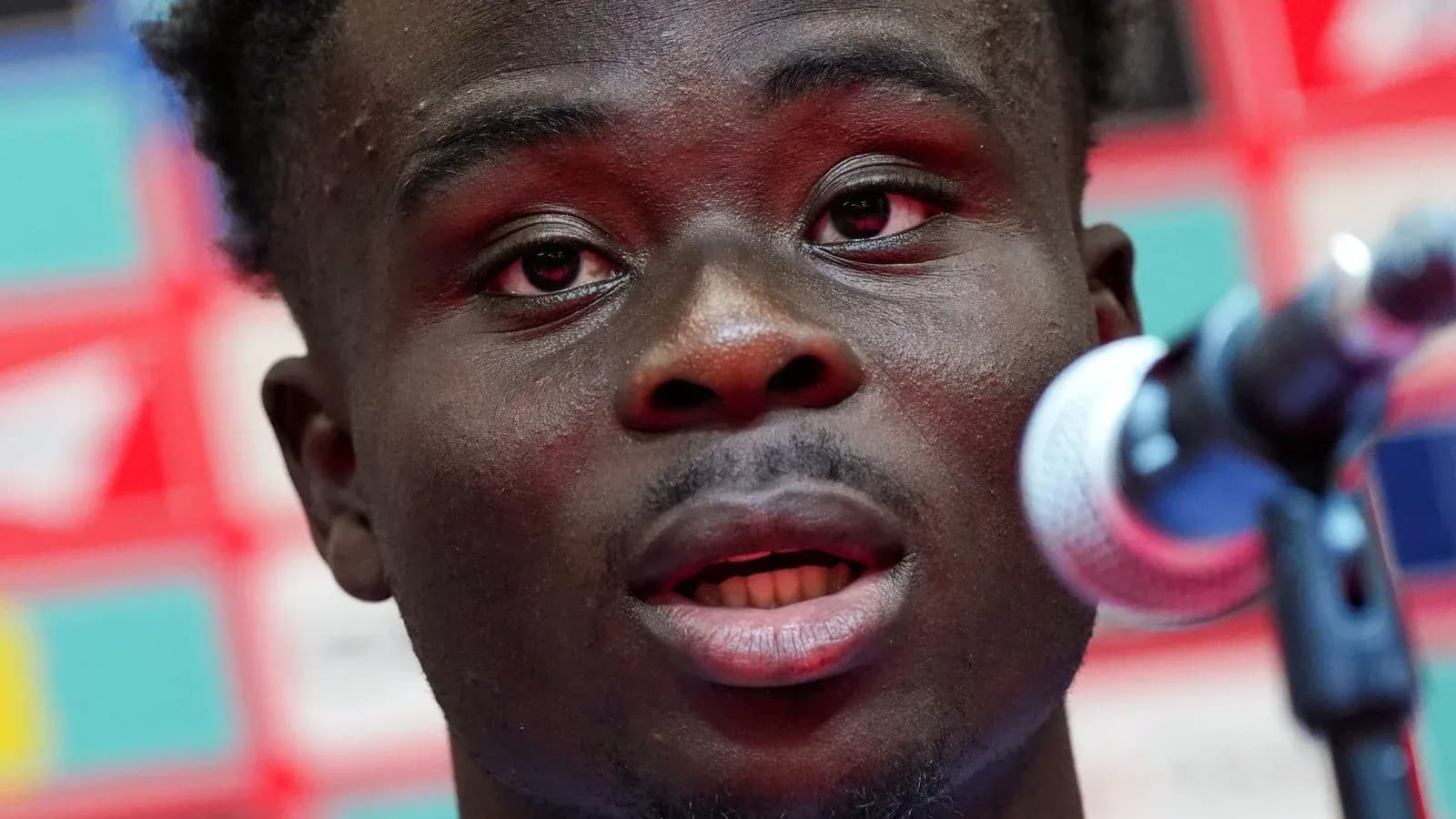
If there is a single player who embodies both England’s hope and their fragility right now, it is Bukayo Saka.
The forward has barely strung together a full game since mid‑March. For club and country combined, he has started and finished just one match in that period. He missed England’s March squad through injury, played limited minutes in their World Cup warm‑ups, and was carefully managed by Arsenal in the run‑in, starting only two of their final seven Premier League games and playing less than an hour in the second leg of their Champions League semi‑final.
Tuchel has already admitted “it is very unlikely he starts and finishes all the matches” at this World Cup. That line alone tells you how delicate the situation is.
Saka, though, cut through the caution with the honesty that has made him such a compelling figure. He described himself as “ready to go” and said he was “happy to take the gamble” on his fitness for England.
He also went out of his way to praise “the Arsenal medical team” and Mikel Arteta, saying they had “managed me amazingly since March” and worked closely with England to protect him. There was no dig, no tension, just a player determined to play on the biggest stage.
Yet those comments were spun into something quite different. The Daily Mirror carried John Cross’s piece under a straightforward headline about Saka’s World Cup “gamble” and what it could mean for England. Their sister site, the Daily Express website, re‑packaged it as: “Bukayo Saka sparks Arsenal concerns with alarming England comments at World Cup.”
The facts don’t support the drama. Arsenal know exactly how injured he has been. England know it too. Saka’s desire to play is hardly “alarming”; it is what you expect from a footballer staring at a World Cup. The real story is not a club in shock, but a nation asking how far it can push one of its most important players without breaking him.
Manufactured fear around the camp
If the injuries and selection calls are real, some of the supposed dangers around England’s base feel anything but.
The Sun’s foreign editor Nick Parker reported that the squad had been “shaken” by a tornado that, in practical terms, changed nothing about their quiet evening indoors. That was followed by another piece about a “SWAT team” rushing to an armed standoff a mile from England’s first match venue.
The first line was breathless: a SWAT team and armed police responding to an incident close to the stadium. By the seventh paragraph, the reality landed: “There is no indication the incident was connected to the World Cup or posed any threat to the tournament or its venues.”
The story deflated in a single sentence. Yet the pattern is clear: every gust of wind, every police siren, every unrelated local incident is dragged into the England orbit. It creates an atmosphere of siege without a genuine enemy.
Spain stumble, headlines twist
Spain’s early slip against Cape Verde gave another angle for the English gaze. The Sun framed it this way: “Why England and all other World Cup rivals should be worried after Spain are humbled by Cape Verde.”
The message? Even after dropping points, Spain “still cannot be ruled out of contention for the trophy.” A reminder that the giants can stumble and still loom large over the tournament.
It also underlines how unforgiving the stage is. Spain, European champions and among the favourites, have already been shown that nothing comes easy here. England know that lesson by heart, yet the demand for perfection remains.
Transfer intrigue and tangled logic
Away from the national team, World Cup performances are already being fed into the transfer machine.
In the Daily Mirror, Jeremy Cross suggested that Liverpool will quietly welcome the bright starts of Florian Wirtz and Alexander Isak at the tournament. Both impressed, albeit against modest opposition in Curacao and Tunisia, but the point was clear: form on the biggest stage can sharpen interest and embolden recruitment plans.
Then came a curious line. Cross wrote that Andoni Iraola “will want this to continue” and that “he would never admit it, but the Spaniard will hope Isak uses the biggest stage of all to find himself again, before taking that feeling back to Anfield.”
Why he would “never admit it” is the part that jars. Any manager with a major investment in a centre‑forward wants that player to find form, especially at a World Cup. There is no shame in that, no tactical secrecy to preserve. It is basic football logic: a confident striker returns a different animal to his club.
An opener under a harsh spotlight
So England arrive at their date with Croatia with a manager under a public ultimatum, a key forward openly gambling with his body, a senior defender cut by video call, and a media landscape that can turn a routine injury update or a minor local incident into a crisis.
Strip away the noise and the task remains simple and brutal: win football matches in a tournament that does not forgive hesitation. The question is whether this England side can shut out the storms swirling around them long enough to find their rhythm when it matters most.