.svg&w=384&q=75 "GoalGist logo")
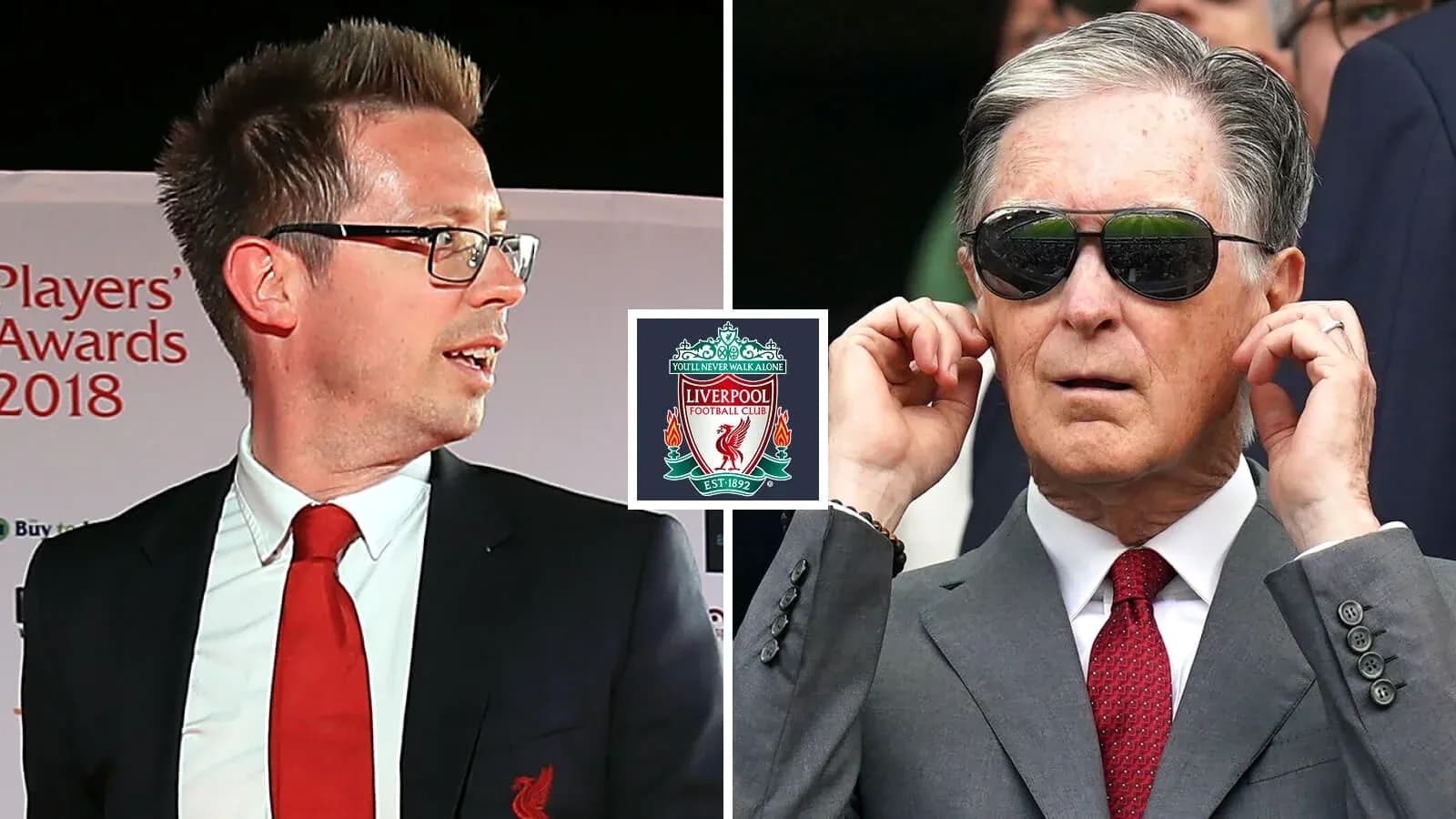
Michael Edwards Leaves Liverpool: A Shift in FSG's Football Operations
Michael Edwards’ second Liverpool chapter is over before the new season has even begun – and the power is quietly shifting back to a familiar figure inside Fenway Sports Group.
The architect of much of Liverpool’s modern success, the man credited with building the spine of Jurgen Klopp’s great side, is walking away from his role as FSG’s CEO of football. In his place, FSG president Mike Gordon will once again take the reins of the group’s football operations.
This is not a sudden rupture. It’s the end point of a plan that never materialised.
A project promised, a project denied
When Edwards returned to Liverpool in 2024, it was not to dive back into the transfer-market trenches. He had already done that job, and done it spectacularly, as sporting director before his 2022 exit. The lure this time was different: the chance to design and drive a multi-club model for FSG.
He made that clear on his comeback. The appeal lay in strategy, scale, and building something beyond Anfield.
But the second club never arrived.
FSG explored options. Bordeaux were assessed. Getafe were examined. The idea of a broader football portfolio sat on the table. Then it stalled. And stayed stalled.
By March, The Athletic’s Liverpool correspondent James Pearce was reporting that FSG had “effectively shelved” plans to buy a second club, leaving Edwards “frustrated by the impasse”. The multi-club vision that had tempted him back was no closer to reality. The role he was sold and the role he was actually doing began to drift apart.
The pressure finally told.
Decision made months ago
Edwards’ departure, confirmed by FSG, did not emerge from a snap judgement. Pearce revealed that he informed the FSG hierarchy last autumn that he would be leaving, once it became clear the ownership group were not expanding their football portfolio.
Journalist Ben Jacobs backed that version of events, stating that Edwards’ main motivation had always been to lead the acquisition and integration of a new club into FSG’s structure. Once plans around Getafe stalled, Jacobs reported, his exit became “inevitable”.
The job, in short, had changed. The recruitment brief he never wanted to revisit began to loom larger. The strategic, multi-club leadership role he had been promised faded into the background.
At that point, the end date more or less wrote itself.
Titles, transition and a parting of ways
Edwards leaves having still made a sizeable mark in his brief second stint. Gordon was quick to underline that in his tribute.
“It has been a privilege to return to Fenway Sports Group and Liverpool Football Club at such an important moment,” Edwards said on confirmation of his exit. “I leave believing Liverpool is in a strong position, with outstanding people, a clear direction and the foundations in place for continued success.”
Gordon, speaking for FSG, was even more direct about the scale of his influence.
“Michael has made an extraordinary contribution to Liverpool Football Club and Fenway Sports Group throughout his time with our organization,” he said. He highlighted Edwards’ broader leadership role after returning in 2024 and pointed to Liverpool’s ability to “successfully navigate a significant period of transition before securing the club’s historic 20th English league title” as an area where Edwards played an “important contribution”.
Those are not small words. Nor is that a small achievement. Liverpool moved from one era into another and still found a way to land a landmark championship.
Yet for all the praise and all the success, the fundamental tension remained: the job Edwards wanted was not the job he ended up doing.
No external replacement – just Gordon back in control
FSG have made one thing clear. They are not going to the market to replace Edwards.
Pearce reports that Gordon will simply resume direct control of FSG’s football operations rather than appointing a new CEO of football from outside. In practice, that means the core decision-making power flows back to a figure who has long been central to Liverpool’s strategic direction behind the scenes.
Edwards’ contract, like that of sporting director Richard Hughes, was due to run until 2027. Arne Slot had been on the same timeline before his dismissal after a poor 2025/26 campaign. The club has already lived through one significant reset. Now another arrives, this time upstairs.
The difference is that this one has been planned for months.
What next for Edwards – and for FSG?
Jacobs suggests Edwards is unlikely to take another extended break from the game. His stock remains high, his track record proven, and the multi-club model he wanted to build at FSG is precisely the kind of project that will tempt ambitious ownership groups across Europe.
“The role Edwards fulfilled became very different to the one he’d been promised,” Jacobs noted. That line will resonate with any club looking to hand him the kind of autonomy and scope he craved.
For FSG, the picture is more complex. They keep control tight. They revert to a trusted internal figure in Gordon rather than expanding the leadership structure. They step back, at least for now, from the multi-club path that has reshaped the strategies of so many modern giants.
Liverpool, as Edwards insists, remain in a strong position. The foundations are there. The title count stands at 20. The squad and structure bear his fingerprints.
But as the man who helped design so much of that success walks away for the second time, one question lingers over Boston and Anfield alike: in an era increasingly defined by sprawling football empires, how long can FSG afford to stand still?

