.svg&w=384&q=75 "GoalGist logo")
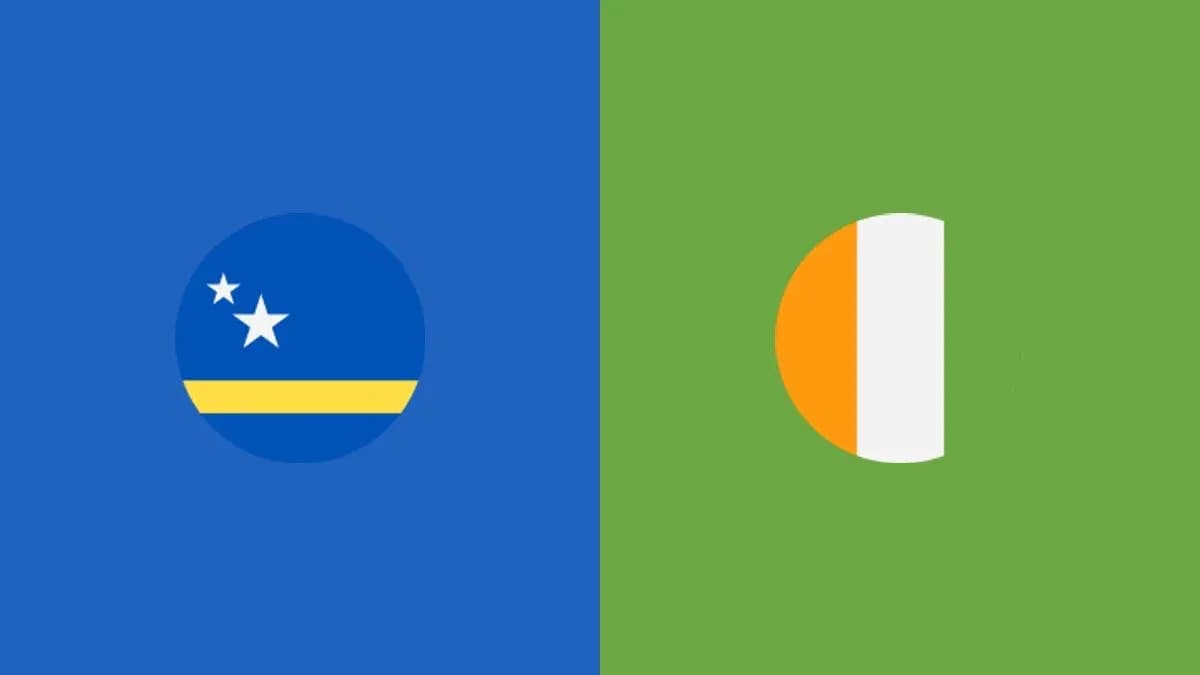
Curacao vs Ivory Coast: A Clash in Philadelphia
The numbers tell one story. The mood around these two camps tells another.
On one side, Ivory Coast arrive in Philadelphia looking and feeling like a team on the rise: four wins from five, goals spread across the side, and a growing sense that Emerse Faé has built something sharp, modern and ruthless. On the other, Curacao limp into their final Group E fixture with bruises still fresh from some heavy defeats, clinging to the clean sheet they carved out against Ecuador as a sign that they can still dig in when it matters.
There is no shared history here. No old grudges, no faded photos of past meetings. This is the first time Curacao and Ivory Coast have faced each other at senior level. The stage is neutral, the stakes are not.
Contrasting form, same pressure
Ivory Coast’s recent run reads like the preparation of a serious tournament contender. They beat France 2-1. They edged Scotland 1-0. They dismantled Republic of Korea 4-0 back in March. Then, as the competition drew closer, they found another late winner against Ecuador, Yan Diomande striking late to seal a 1-0 victory on June 14.
The only blemish came five days ago, a 2-1 defeat to Germany settled in stoppage time. Even that loss carried a strange sort of authority: they went toe-to-toe with heavyweight opposition and were seconds away from taking a point.
Seven goals scored, four conceded across those five matches. Compact at the back, decisive in the final third, and increasingly comfortable in tight games. Faé’s side do not waste many chances to impose themselves.
Curacao’s recent record could hardly be more different. Dick Advocaat has seen his team ship 18 goals in five games, a brutal sequence that includes a 7-1 defeat to Germany, a 4-1 loss to Scotland and a 5-1 reverse against Australia. The outlier is a 4-0 friendly win over Aruba on June 7, a reminder that when they meet opposition closer to their level, they can still move the ball, still score, still hurt teams.
The real turning point, though, came in the 0-0 draw with Ecuador on matchday two. After the defensive chaos of previous outings, Curacao finally found structure. They held their nerve, closed space, and walked away with a point that keeps a faint hope alive. Five scored, 18 conceded over five games is a grim ratio, but the clean sheet against South American opposition hints at a side trying to turn the tide rather than accept their fate.
Advocaat’s gamble: structure over scars
Advocaat has no reported injuries or suspensions. For a coach who has spent weeks firefighting at the back, that stability matters.
His projected XI is clear: Room; Brenet, Gaari, Obispo, Floranus, Fonville; Chong, Comenencia, Bacuna, Bacuna; Locadia.
There is experience in that spine. Eloy Room in goal, disciplined and vocal. A back line that must stay compact against a mobile Ivorian attack. Shurandy Sambo is not here; instead, the full-backs Brenet and Floranus will have to pick their moments carefully, knowing that every overlap leaves space for Ivory Coast to exploit.
In midfield, Curacao lean on industry and versatility. Tahith Chong offers energy and drive, the Bacuna brothers bring range of passing and a willingness to carry the ball under pressure. Up front, Jürgen Locadia will need to make every touch count, working off limited service, holding the ball, buying time for runners from deep.
The plan almost writes itself: stay in the game, frustrate, counter when possible. Curacao know they cannot trade punches in an open contest. Not with the scars of Germany, Scotland and Australia still fresh. They need this to be tight, tense, and ugly if they are to drag Ivory Coast into a contest on their terms.
Faé’s reshuffle and Ivorian intent
Ivory Coast arrive with a minor complication and a major opportunity.
Wilfried Singo, the Galatasaray right-back, is out injured. It is the only confirmed absence, but it forces Faé into a reshuffle along the back line. In a team that has been building rhythm, any change in the defensive structure is notable.
The projected XI reads: Fofana; Kossounou, Doue, Agbadou, Konan; Kessie, Sangare, Oulai; Amad, Bonny, Diomande.
This is a side built to dominate the middle third and suffocate opponents. Odilon Kossounou’s athleticism and reading of the game, coupled with the physical presence of Agbadou and the width offered by Ghislain Konan, gives Ivory Coast a solid base. The absence of Singo removes a natural outlet on the right, but it does not blunt the overall threat.
In midfield, Franck Kessie and Ibrahim Sangare form a formidable axis: power, pressing, and the ability to break lines with a single pass or carry. Alongside them, Oulai offers balance and energy, knitting play together and giving the front three the freedom to roam.
Then comes the flair. Amad’s creativity between the lines, Bonny’s work rate and movement, Diomande’s knack for decisive moments. This is not a team that simply waits for mistakes. They hunt them, force them, and punish them.
Ivory Coast sit second in Group E heading into this final round. They are not chasing respectability. They are chasing control of their path.
First meeting, very different stakes
There is no head-to-head ledger to pore over, no old tactical blueprint to dust off. Curacao and Ivory Coast step into this fixture as strangers, but their needs are sharply defined.
Curacao are bottom of the group, fourth in the standings, yet still clinging to the idea that one big performance can flip the narrative of their campaign. They have already shown they can shut down Ecuador. The question is whether they can do it again against a team that attacks with more variety and greater conviction.
For Ivory Coast, the equation is simpler. Protect second place at the very least. Apply the authority they have shown across their last five games. Turn territorial dominance into goals and avoid the kind of late lapse that cost them against Germany.
Kick-off is set for 21:00 on June 25, 2026. Philadelphia will host a meeting of two footballing worlds: one trying to steady itself after a storm, the other riding a rising wave of confidence.
Curacao have already discovered what happens when they open up against elite opposition. The real intrigue now is whether they can drag Ivory Coast into the kind of battle that ignores form, ignores expectation, and turns this first-ever encounter into something far more unpredictable.