.svg&w=384&q=75 "GoalGist logo")
World Cup Fans Face Reusable Bottle Ban Amid Fifa Controversy
Seven days before the World Cup kicks off on 11 June, Fifa has ripped up one of its own rules and ignited a fresh row with supporters: reusable water bottles are now banned from stadiums.
Until this week, the official stadium code of conduct was clear. Fans were told that empty, transparent, reusable plastic bottles of up to one litre were allowed through the turnstiles. It was spelled out “for the avoidance of doubt”.
That doubt has now returned.
In a late policy change, Fifa has placed bottles in the same category as cups, jars and cans, outlawing them on safety grounds. The governing body says the move is designed to cut the risk of injuries from objects thrown from the stands.
“Fifa is committed to protecting the health and safety of all players, referees, fans, volunteers, and staff,” the organisation said in a statement, defending the reversal.
Security first, they insist. The timing tells another story.
Safety vs heat: a growing flashpoint
This is not just a debate about plastic. It lands in the middle of a wider storm over how prepared the tournament is for extreme heat.
Scientists have already warned that Fifa’s heat safety measures are “inadequate”, with temperatures at 14 of the 16 host venues expected to climb beyond dangerous thresholds. Many of those arenas are open air. Shade will be scarce. Hydration will be everything.
Against that backdrop, the ability to carry a simple empty bottle to refill at a fountain was more than a convenience. For many travelling fans, it looked like a basic safeguard.
Fifa insists it has planned for the conditions. The organisation says it is working “closely with each host city committee and local authorities on heat mitigation factors for fans travelling to the stadium”. That package, it says, can include misting stations, fans, hydration points, cooling tents and other facilities “around the stadium footprint”.
Inside that footprint, Fifa has promised that water will be on sale and that prices will not be hiked above usual venue levels. “Pricing for water bottles for the Fifa World Cup 2026 will remain consistent with other events held at each stadium,” its statement added.
The pledge may ease some fears about profiteering. It does not address the frustration of those who had been told they could bring their own bottles, planned accordingly, and now face a last-minute scramble.
Fans see a pattern – and a profit motive
For many supporters’ groups, the issue is not just hydration. It is trust.
The U-turn drops into an already sour mood. Fans across the host cities have complained about “extortionate” ticket prices and soaring train fares wrapped around the tournament. The bottle ban feels, to them, like another squeeze.
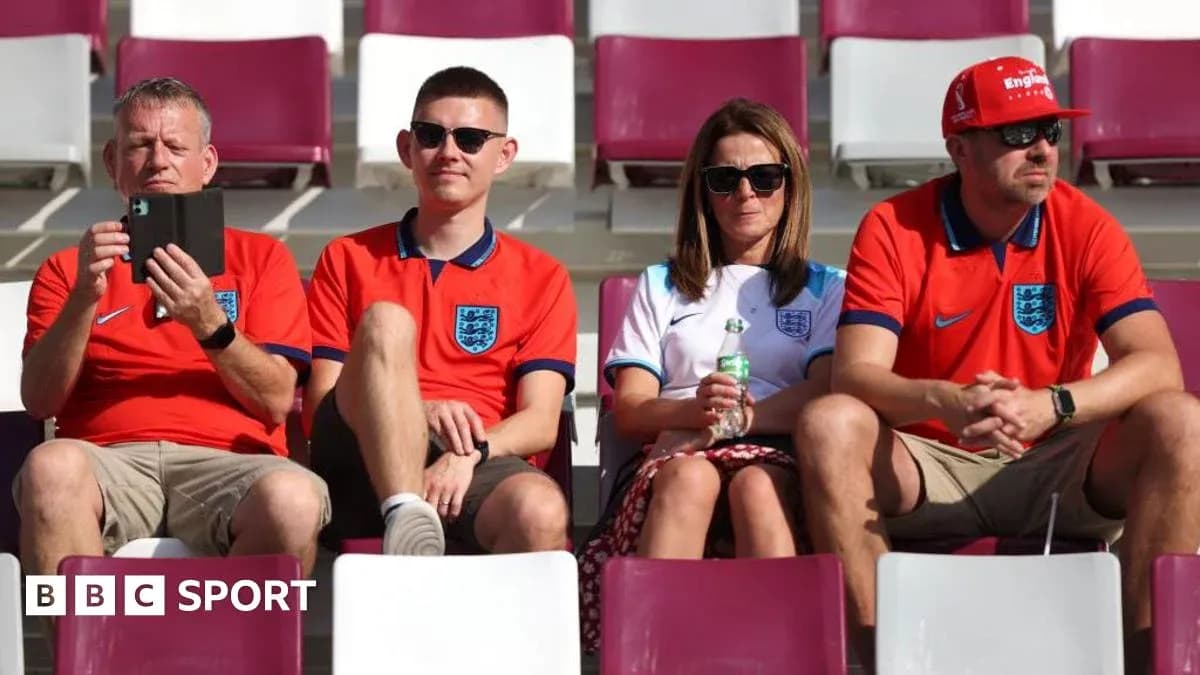
The Free Lions England fans’ group did not hide its anger, calling the decision a “strange, late change”. In a statement on X, it said that in talks with Fifa, “free water availability in stadiums was a key one and we were assured by Fifa that this would be the case and that fans will have the ability to bring their own water bottle.”
Those assurances have evaporated in a week.
“Naturally, the immediate thought from supporters is this is just the latest money-grab,” the group added. With temperatures expected to soar, their plea was blunt: “For how hot the stadiums will be, many in open air, just let fans bring a bottle if they want to.”
The group also raised a practical concern that will resonate with anyone who has queued for a drink at a major event. They “hope the water fountains in stadiums will still be free”, and added, with a pointed jab at organisers, “hopefully you aren't charged in the queue!”
The sarcasm carries a serious edge. When heat is a health risk, access to water is not a luxury add-on. It is a duty of care.
A familiar restriction, a sharper backlash
Fans were also blocked from taking bottles into stadiums at the last World Cup in Qatar. Then, too, Fifa leaned heavily on safety and security to justify tight controls on what could be carried into arenas.
The difference this time lies in the expectation game. Supporters had been told in black and white that empty reusable bottles were allowed. Many built their travel and matchday plans around that promise. The reversal, just a week out, lands like a rug pulled from under them.
Fifa believes the ban will reduce the risk of missiles raining down from the stands. Opponents argue that a transparent, empty plastic bottle poses a far lesser threat than a full, stadium-bought drink hurled in anger.
The governing body is betting that enhanced cooling measures, fixed-price water and the prestige of the event will be enough to keep tempers in check. The early reaction from fan groups suggests that bet will be tested from the moment the first gates open.
As the countdown ticks towards 11 June, the football will soon take centre stage. Until then, the questions will keep coming: in a tournament played in searing heat, did Fifa just pick the wrong battle with the people it can least afford to alienate?