.svg&w=384&q=75 "GoalGist logo")
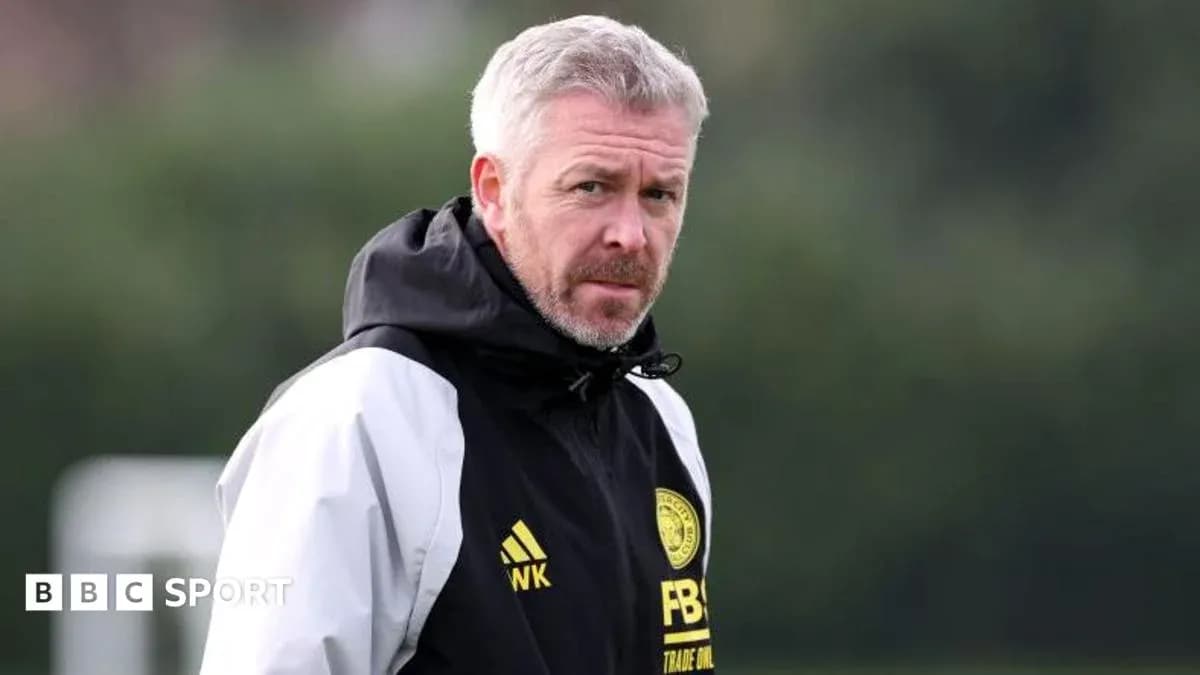
Willie Kirk Returns to English Football as Durham's Head Coach
Willie Kirk has returned to English football, and he has done so in the shadows of a controversy that has never really left him.
The 48-year-old Scot has been appointed head coach of Durham, who play in the Women’s Championship, two years after Leicester City sacked him for breaching their code of conduct by entering a physical relationship with a player.
Durham announced the move without a single reference to that episode. No mention of Leicester. No mention of the internal investigation that ended his time there in March 2024. Just a new coach, a fresh start – at least on paper.
The past, though, is not so easily edited out.
Leicester dismissed Kirk after their inquiry concluded he had been in a relationship with a player under his management, a clear violation of the club’s rules. Player-coach relationships are not illegal, provided no minors are involved, but they cut straight into the heart of football’s safeguarding culture and the power dynamics inside a dressing room.
Those dynamics have become one of the defining off-field issues in the women’s game. Personal relationships between players and coaches have been repeatedly criticised for creating power imbalances, blurring professional boundaries and exposing young women to risk.
England head coach Sarina Wiegman has been unequivocal. She has called such relationships “very inappropriate” and “not healthy”, a blunt assessment that reflects a growing insistence on clear lines between authority and those under it.
That insistence is now baked into the structure of the professional game. Codes of conduct for players and managers are a condition of securing a Women’s Super League licence. Every club must have a safeguarding officer. Every environment is expected to be built on trust and protection, not blurred loyalties.
Debate on Ethics
Durham, by appointing Kirk, step directly into that debate. The club’s statement, stripped of context, focused solely on football. The questions around ethics and optics have been left to others.
They are already arriving. BBC Sport has contacted Durham for comment on the appointment, and has also approached the Football Association and the Professional Footballers’ Association. Their responses will help shape how this move is read: as a second chance for a coach who has served his punishment, or as a risky bet in a sport that has been forced to confront its own vulnerabilities.
For Kirk, this is a route back into the English game and into a league that is still defining its standards and its identity. For Durham, it is more than just a managerial hire. It is a statement on where they believe the line between redemption and responsibility should be drawn – and whether the rest of the women’s game agrees.

