.svg&w=384&q=75 "GoalGist logo")
Thomas Tuchel's Decision on Kobbie Mainoo in World Cup
Thomas Tuchel’s World Cup call on Kobbie Mainoo has become one of the defining subplots of England’s campaign – a slow-burn selection saga that never found a resolution on the pitch.
The Manchester United midfielder arrived at the tournament as one of the Premier League’s form players, having driven United’s late surge to Champions League qualification in the 2025/26 run‑in. He forced his way into the squad on merit, not marketing. A place on the plane felt like the start of something.
It never got off the ground.
A place in the squad, but not in the plan
Nobody expected Mainoo to walk into the XI. Tuchel had nailed his colours to the mast early: Declan Rice was his anchor, Elliot Anderson his energetic foil. Mainoo, at 20, looked set for the role many young midfielders have played at major tournaments – first change off the bench, a fresh pair of legs when games grew stale or tight.
England had those games. They laboured in spells. They struggled at times to move the ball with any real snap through midfield, exactly the sort of problem Mainoo has been solving weekly at club level.
Yet he did not play a single minute.
As Rice battled fitness issues and Jordan Henderson dropped out injured, the pathway seemed to open. Instead, it narrowed. The decision not to turn to Mainoo, even in those moments, became a running theme, then a flashpoint.
Training chance that slipped away
According to The Daily Mail, the turning point came in the build‑up to England’s second group match against Ghana.
With Rice “starting to struggle” in that week, Tuchel tested a different midfield in training. Mainoo was placed in central midfield alongside Anderson, a clear indication he was being considered as a genuine option. Inside the camp, there was a sense he might be in line to feature.
Then the door shut.
The report claims Tuchel “had not liked what he saw” in those sessions. Whatever the specifics – tactical discipline, tempo, positioning – the outcome was stark: Mainoo’s audition did not convince his manager. From that point, his status shifted from potential starter to peripheral figure.
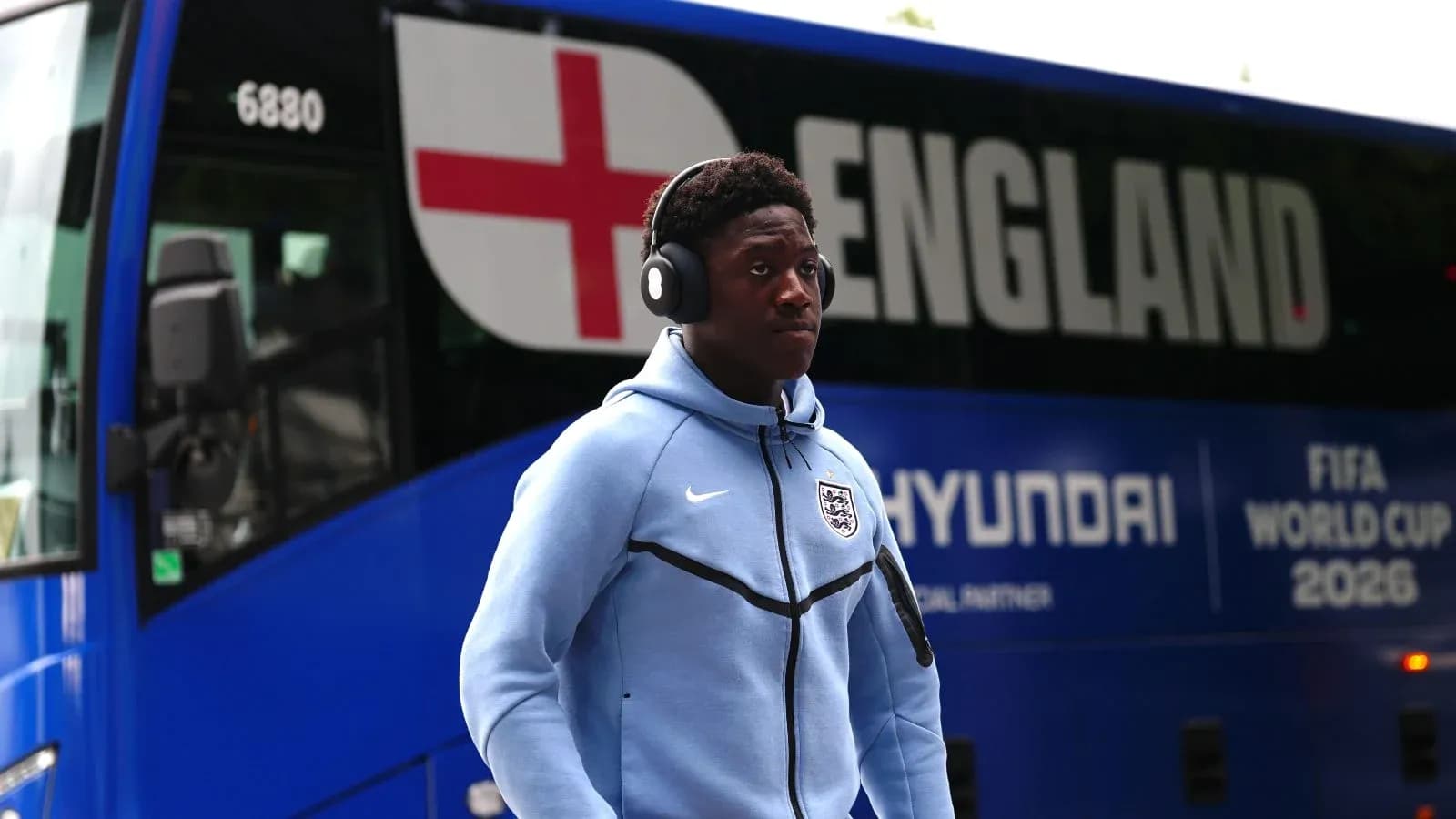
The picture off the pitch did not help the optics. Mainoo, by all accounts, wore his frustration openly. The Mail described him as “the first player to leave the stadium, always alone and with headphones in” after almost every match. The Athletic echoed that mood, noting he was “often the first player back on the team bus” and “unhappy” with how the tournament was unfolding.
A talent left on standby
Inside the squad, there was confusion over what, exactly, Tuchel wanted from Mainoo at this World Cup.
As reported by The Athletic, one source close to the group wondered if Tuchel viewed him as a young player who would simply be content to soak up the experience. Others felt the United midfielder had not done enough to earn the manager’s trust in training.
What is clear is that there was never a defined role. No clear plan. Just a name on the team sheet that never moved from the bench.
The situation grew more pointed as the tournament wore on. With Rice visibly labouring for fitness, Tuchel still held back. Rather than turning to a natural central midfielder, he pushed defender Reece James into midfield ahead of Mainoo in the latter stages of the campaign.
For a player told he had earned his place through his club form, watching a right-back step into “his” zone must have stung.
Those close to the camp insist Mainoo trained well. The numbers, though, are brutal in their simplicity: zero minutes, in a tournament where England repeatedly searched for midfield control and variety.
The World Cup will move on. So will England. The question that lingers is whether this was a one-off misalignment between manager and player – or the start of a longer battle for trust that could shape Mainoo’s international future.

