.svg&w=384&q=75 "GoalGist logo")
Spokane Velocity Edges Boise in 2–1 Cup Clash
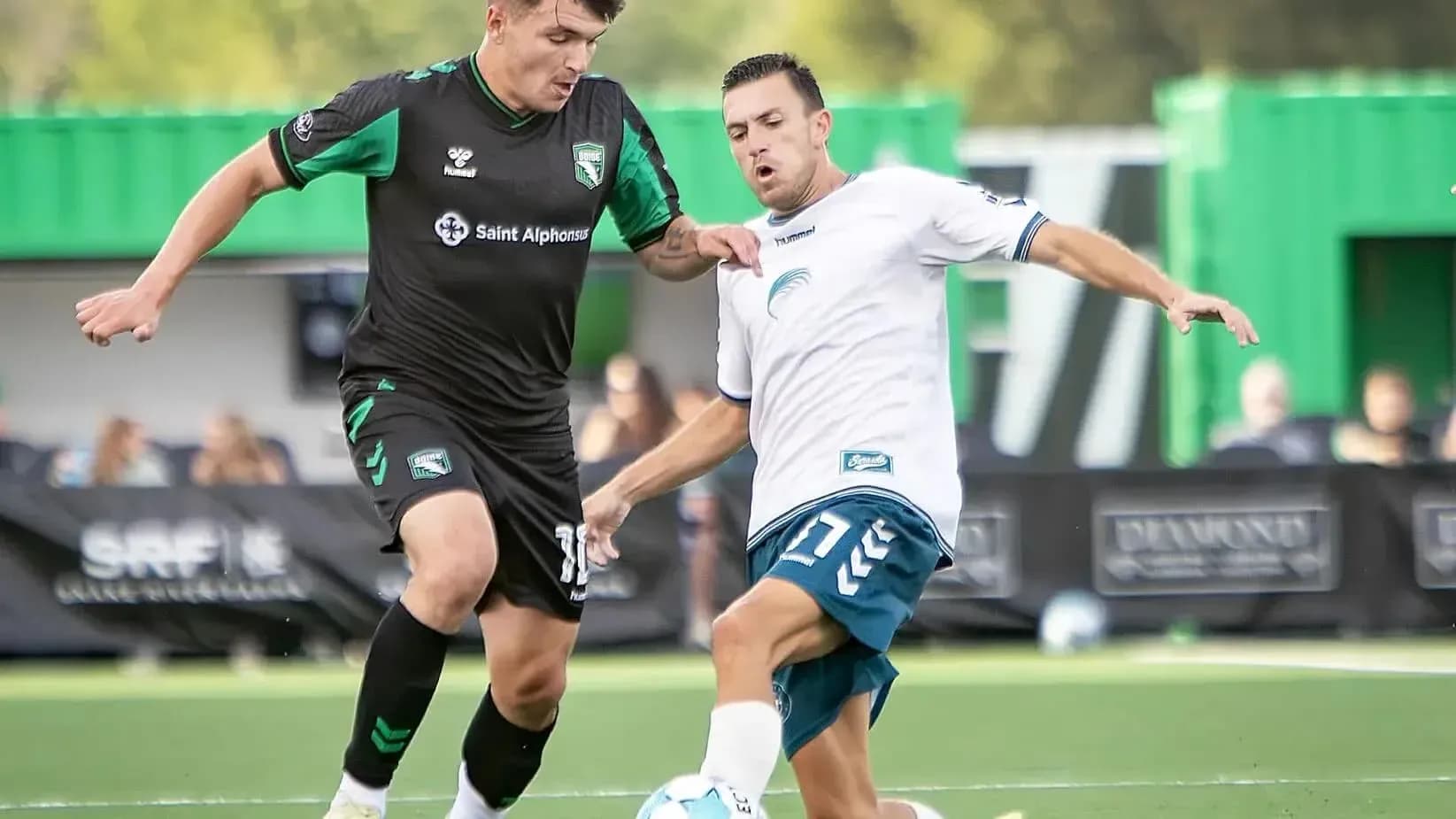
On a cool Cup night at One Spokane Stadium, Spokane Velocity edged Boise 2–1, a result that felt less like a group-stage skirmish and more like a statement about how these two squads are evolving within the USL League One Cup’s Group 1.
I. The Big Picture – contrasting identities in the same group
Following this result, the table underlines the contrast in their seasonal DNA. Spokane sit 2nd in the group with 6 points from 3 matches, built on a pragmatic base: overall they have scored 3 and conceded 5, for a goal difference of -2. Boise, 3rd with 5 points from 3 games, are the wilder ride: 10 goals for and 8 against overall, giving them a goal difference of 2 and a reputation for chaos.
Spokane’s record at home is quietly authoritative. At One Spokane Stadium they have played 2, won 2, drawn 0, lost 0, scoring 3 and conceding just 1. That translates to 1.5 goals scored at home on average and 0.5 conceded, a profile of a side that manages games and rarely loses control in their own house. Boise’s identity is different: on their travels they have played 2, winning 1 and losing 1, scoring 3 and conceding 3. Their away average of 1.5 goals scored and 1.5 conceded mirrors their overall pattern – open, aggressive, and always leaving space for drama.
Within that frame, a 2–1 home win to Spokane – after a 0–0 half-time scoreline – fits the narrative: Spokane leaning on structure and resilience, Boise pushing the tempo but always vulnerable to being picked off.
II. Tactical Voids and Discipline – how the edges were managed
Injury and absence data is unavailable, so the tactical voids in this tie were less about who was missing and more about how each coach managed risk and discipline over 90 minutes.
Spokane’s season-long card profile tells a story of a side that walks the line. Their yellow cards are heavily clustered between 61–75 minutes, with 42.86% of their cautions arriving in that spell. That late-third surge of bookings suggests a team that ramps up aggression as the match tilts toward its decisive phase. They also carry a notable disciplinary flashpoint: their only red card this season has come between 46–60 minutes, a reminder that their post-interval intensity can spill over.
Boise, by contrast, spread their yellows more evenly but with a clear lean toward first-half friction. Overall, 16.67% of their yellows arrive in the opening 0–15 minutes, and 33.33% between 31–45 minutes. They are not a side that eases into contests; they challenge rhythm early, pressing and fouling high to disrupt. Yet they have avoided red cards entirely so far, a sign that their aggression is sharp but usually controlled.
In a match that finished 2–1 after a goalless first half, that disciplinary DNA hints at a narrative: Spokane tightening the vice as the second half wore on, Boise trying to maintain tempo without losing heads. The lack of penalties for either side this season – both have taken 0 and missed 0 – means there was never likely to be a spot-kick bailout; everything had to be earned in open play.
III. Key Matchups – Hunter vs Shield, Engine Room vs Disruptor
Hunter vs Shield
Without individual scoring charts, the “Hunter vs Shield” lens has to be drawn from team-level patterns and the personnel on the pitch.
Spokane’s “Shield” at home has been impressive: just 1 goal conceded in 2 home matches. That defensive spine ran through S. Lewis in goal and a core of S. Fitch, G. Margvelashvili and C. Miller, with D. Waldeck often the hinge between back line and midfield. The structure they’ve shown at home – allowing only 0.5 goals per game – is the platform for their Cup push.
Boise’s “Hunters” are collective rather than singular. Overall they average 2.3 goals per game, and on their travels 1.5. The starting front line of B. Bodily, T. Amang and T. Moshobane, supported by the creative presence of D. Kostyshyn and the driving runs of P. Mayaka and M. Ndiaye, formed a fluid attacking band. Heading into this game, Boise had not failed to score in any competition match; their failed-to-score tally stands at 0 both home and away.
On the night, Spokane’s Shield won the duel just enough: conceding once but keeping Boise from turning pressure into another multi-goal explosion. The 2–1 full-time scoreline reflects that balance – Boise’s attack still dangerous, but Spokane’s defensive organisation and home nous ultimately decisive.
Engine Room – control vs chaos
The midfield battle was always going to be about control. Spokane’s central trio of C. Fernandez, L. Gil and J. Gallardo, with S. John-Brown and A. Lewis offering width and support, are built for possession phases and controlled progression. Their overall goals-for average of 1.0 per game speaks to a side that values shot quality and game management rather than volume.
Boise’s engine room, with Mayaka and Ndiaye screening behind Kostyshyn, is designed for verticality. They support a team that has scored 4.0 goals per game at home and 1.5 away, with an overall attacking average of 2.3. They accept the risk that comes with that approach: they concede 2.0 goals per game overall, including 1.5 on their travels.
In this match, the turning point came after the break. Spokane’s tendency to grow into games – reflected in their late yellow-card spike between 61–75 minutes – suggests a side that raises intensity in the second half, pressing higher and committing more bodies forward. Boise’s card spread, with yellows appearing consistently from 0–90, hints at a team that struggles to lower the tempo once the game opens up.
The introduction of Spokane substitutes like N. Vinyals, M. Hernandez, I. Covi or M. Mensah offered fresh legs and tactical flexibility, allowing coach Leigh Veidman to tilt the midfield duel. Boise’s bench options – including Luan Brito, J. Hanson and J. Stephens – gave them pace and directness, but in a tight 2–1, it was Spokane’s ability to close the central channels and manage transitions that told.
IV. Statistical Prognosis – what this result says about their trajectories
Following this result, the statistical prognosis for both squads in the Cup is nuanced.
Spokane remain a formidable home proposition. With 2 wins from 2 at One Spokane Stadium, 3 goals scored and only 1 conceded, their home xG profile – while not explicitly given – can be inferred as modest but efficient: 1.5 goals scored per home match from a side that prioritises structure. Their overall goal difference of -2 is still skewed by a single heavy away defeat (4–0), but in group-stage terms, their home form is a weapon.
Boise, despite the loss, still project as one of the group’s most dangerous attacking units. Overall, 7 goals scored and 6 conceded in 3 matches in the broader statistics set, and 10 for and 8 against in the standings snapshot, both paint the same picture: they will drag matches into high-event territory. Their lack of clean sheets – 0 at home, 0 away, 0 in total – is the central concern. To translate their attacking verve into knockout relevance, they must find a way to protect leads and survive low-margin games like this one.
The 2–1 in Spokane felt like a microcosm of both sides’ futures in the USL League One Cup. Spokane will lean into their fortress mentality, trusting a disciplined spine and late-game intensity to carry them. Boise will keep coming forward, a team that can hurt anyone but must learn, quickly, how to live with less chaos if they want their attacking fireworks to translate into progression.