.svg&w=384&q=75 "GoalGist logo")
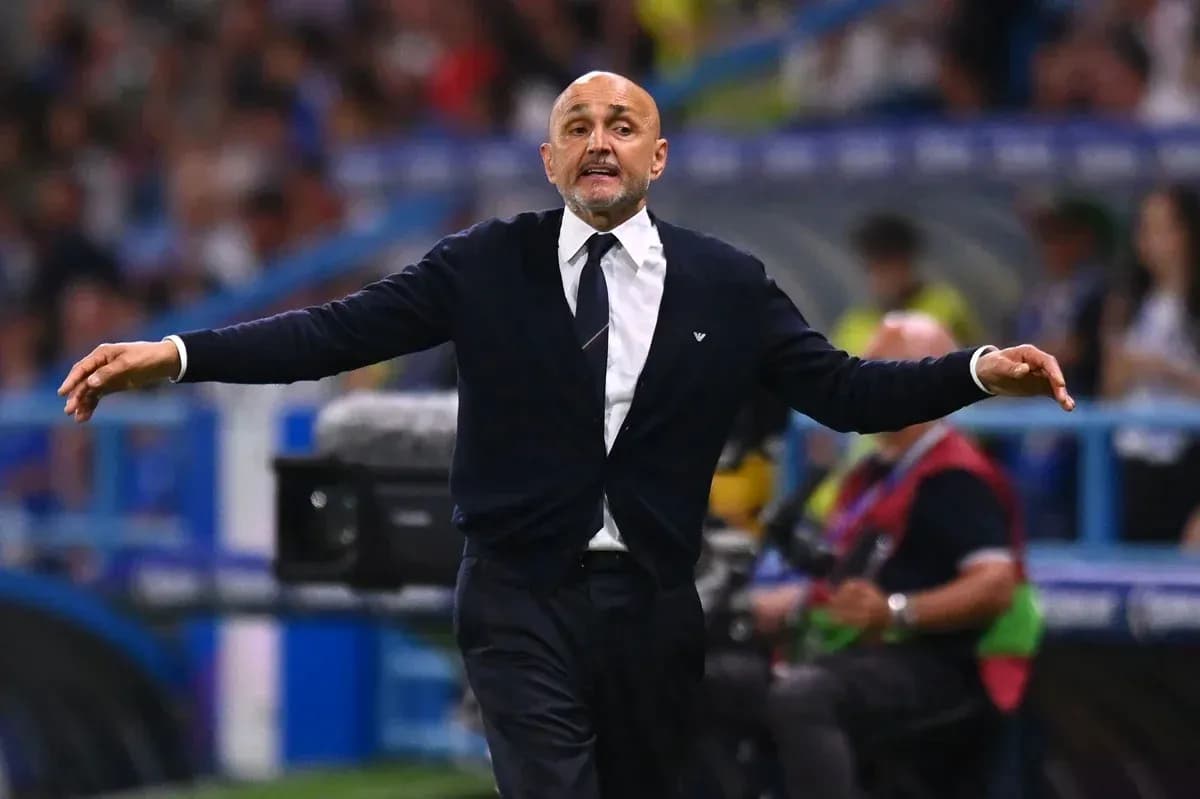
Spalletti on Juventus' Summer Transfers: The End of Perfection
Luciano Spalletti is under no illusions about Juventus’ summer. The club pushed, adjusted, and reacted in the market, but in his eyes one concept belongs to the past: the “perfect” transfer window.
It simply doesn’t exist.
Spalletti parks the idea of perfection
Juve moved to reinforce the squad for the rest of the season, though it is clear they would have liked to hand their coach even more weapons. Spalletti identified specific profiles, the club chased several of them, and some deals were completed. Others never got close.
He is satisfied with a number of the arrivals. Not fully satisfied with the overall overhaul he had imagined. That tension is obvious. But so is his realism.
Years in the dugout have taught him that no manager gets everything. Budgets bite, opportunities shift, and negotiations stall. Spalletti has made peace with that.
“The perfect transfer market no longer exists, only the possible one exists,” he said, speaking to Gianluca Di Marzio.
From there, he laid out how modern recruitment really works. Clubs scout, filter, and target players for specific characteristics. Then football happens. A rival swoops in, a player changes his mind, or another name unexpectedly becomes available. Plans bend.
“There's scouting work to identify players who appeal for their various characteristics. Then there's the situation that happens unexpectedly, to which you have to know how to adapt, just like on the pitch: sometimes you make a plan of action and the others are better, you have to adapt to what happens in the dynamics.
“Our directors have been very good at fitting into the right contexts and adapting to what the market has to offer.”
That last line matters. It is a public endorsement of the Juventus hierarchy and how they navigated a tricky window, even if the coach had hoped for deeper changes.
Juventus turn to the pitch
So the market closes. The excuses do too.
Juve have carried out some sharp business and added pieces Spalletti believes can raise the level. Now the task shifts from boardroom to training ground. The coach must weld the new signings into the existing core, accelerate their understanding of his demands, and squeeze every drop out of the options he has.
He would have liked more. He did not get more. The reality is fixed.
If the new arrivals hit the ground running, the Bianconeri have enough quality to shape a serious season and stay in the hunt for trophies. Spalletti’s words make one thing clear: he accepts that the club worked within its limits and reacted to what the market actually offered, not to an idealised shopping list.
From here, everything is judged on what happens between the white lines. Juventus will lean on what they have, not what they missed, and the success or failure of this “possible” transfer window will be written by the players who walked through the door.