.svg&w=384&q=75 "GoalGist logo")
Spain's Late Victory Over Portugal: Rodri's Impact and Next Challenge
Spain left it late, but when the moment came, they struck with cold precision.
Mikel Merino’s 91st-minute header in Dallas sent La Roja into the quarter-finals with a 1-0 win over Portugal, a tight, nervy last-16 tie decided in the kind of instant that defines summers and careers. One flash, one run into the box, one perfect connection — and a heavyweight was gone.
Yet the game will be remembered for more than the winning goal. At its heart stood Rodri: the metronome of Spain’s midfield, the emotional flashpoint, and ultimately the man fronting up when tempers boiled over.
Rodri’s dominance – and one moment he regretted
On the ball, Rodri was immaculate. He ran the game with 106 touches, threading 87 successful passes through Portugal’s lines, dictating tempo as if the ball belonged to him by right. Every Spanish attack seemed to start at his feet; every Portuguese counter had to find a way around him.
But in the chaos of knockout football, control is never total.
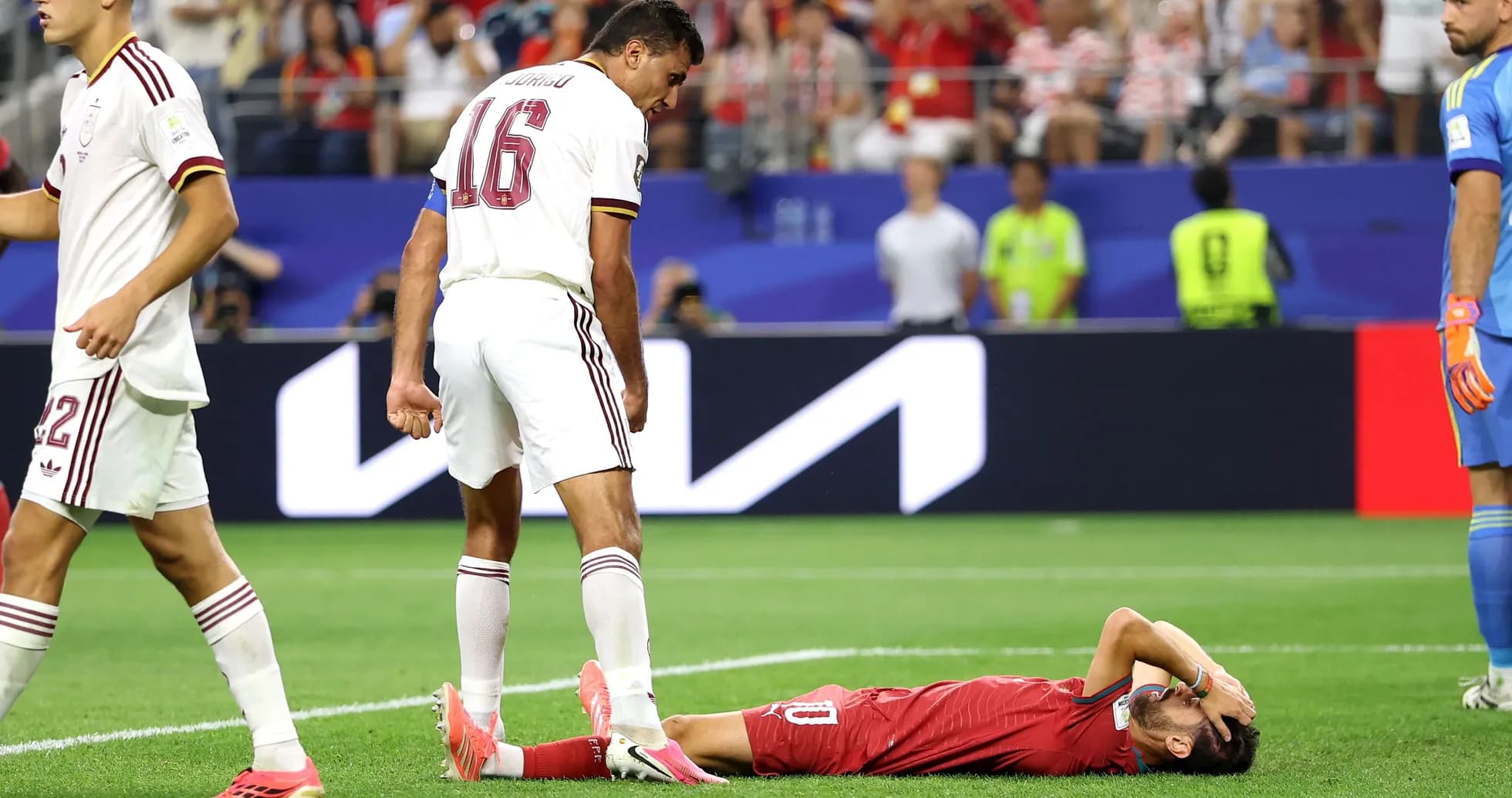
Late in the game, with Portugal chasing salvation, their playmaker – Rodri’s former club team-mate – rose to meet a cross and squandered a golden chance. The header went begging. In that split-second, Rodri reacted. He celebrated the miss.
It was raw, instinctive, and it lit the fuse.
Players converged, words flew, and what had been a fierce but largely disciplined contest teetered on the edge. The altercation did not spill into full-scale chaos, yet it was enough to stain the closing minutes of a match that deserved a cleaner finish.
Rodri knew it. When the adrenaline drained and the microphones appeared, he did not hide.
“I’ve said this before, I made a mistake because I celebrated when he had failed,” he told reporters. “I apologised to him immediately, but that’s where it stands because of the trust we have, and that’s it.”
No excuses. Just an admission that in a night of fine margins, emotion had briefly beaten judgement.
Portugal’s anguish and an era in limbo
For Portugal, the sense of waste was crushing.
They had their chance. Bernardo Silva’s late header, the kind of opportunity you replay in your mind for weeks, went wide on a night when nothing quite fell their way. Spain had the ball, Portugal had the moments. Neither side found fluency in the final third until Merino’s decisive intervention, but the missed Silva chance felt like the turning point that never turned.
It leaves Cristiano Ronaldo and his country at a crossroads. His international future now hangs in the balance, the tournament exit throwing up more questions than answers about how – or whether – he fits into what comes next.
Change, though, is already under way in the dugout.
Roberto Martinez confirmed his resignation after the defeat, closing his chapter as Portugal coach. The Euro 2016 champions now stand on the brink of a full reset: new ideas, new leadership, and likely a gradual reshaping of a squad that has carried the weight of expectation for a decade.
Veteran coach Jorge Jesus has quickly emerged as the firm favourite to take over. If appointed, he would inherit a talented but bruised group, one still capable of going deep at major tournaments but now forced to confront its own limitations.
Spain advance – but questions linger
Spain move on, but not untouched.
Luis de la Fuente’s side will meet Belgium in Los Angeles on Friday, July 10, with a semi-final place at stake. The late winner in Dallas will fuel belief, yet the performance left enough warning signs to keep the staff busy this week.
Spain controlled the midfield, as they so often do. Rodri anchored, angles opened, passing lanes appeared. But after the break, their attacking edge dulled. The second half drifted into a sluggish pattern, with La Roja struggling to carve out clear chances despite their territorial command.
Against Belgium, that won’t be enough.
The Belgians thrive on quick breaks, punishing any side that lingers too long on the ball without penetration. Spain’s dominance in the middle third will again be crucial, not as an aesthetic choice but as a shield against those rapid counter-attacks that can flip a knockout tie in seconds.
Clinical finishing must follow. Control without incision is a luxury teams cannot afford in July.
Spain have survived a test of nerve and temperament, their midfielder-in-chief both the symbol of their authority and the man at the heart of the game’s most combustible moment. They are still standing, still passing, still believing.
Now comes Belgium, Los Angeles, and the next question: can this Spain side turn control into something far more ruthless when it matters most?

