.svg&w=384&q=75 "GoalGist logo")
South Africa vs Nicaragua: Bafana Bafana's World Cup Warning
South Africa wanted rhythm. They left with doubt.
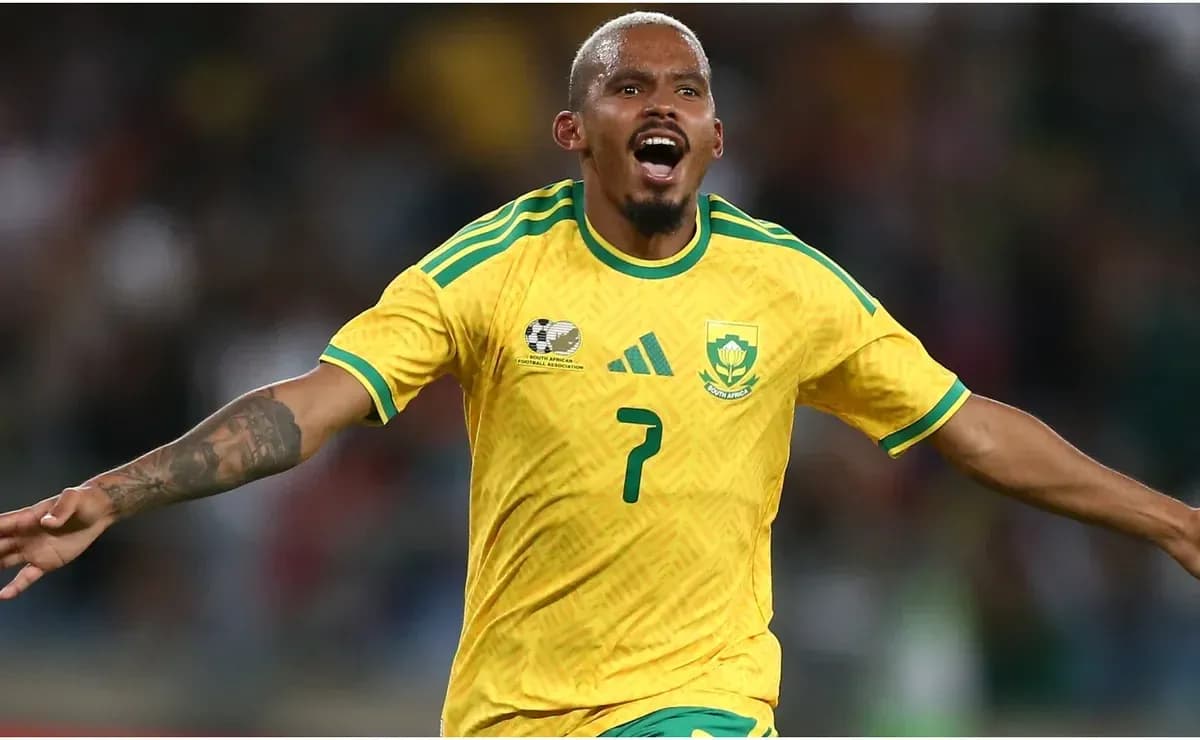
In their final stretch of preparation before the 2026 World Cup, Bafana Bafana dominated Nicaragua for 90 long minutes at the Orlando Amstel Arena, created chance after chance, earned a contentious penalty – and still walked away with a flat 0-0 draw that will sit heavily on the flight to North America.
The story of the afternoon was simple. South Africa had the ball, the territory, the tempo. Nicaragua had Adonis Pineda.
One-way traffic, no end product
From the opening whistle, the pattern was clear. Nicaragua dropped deep, retreating into their own half within the first five minutes as South Africa tried to stretch the back line and probe for gaps.
Most of the early damage came down the right. At 16 minutes, Kamogelo Sebelebele carved open the Nicaraguan defense with a sharp move on the flank and whipped in a cross that begged for a touch. Themba Zwane arrived but failed to steer it goalwards. It was a miss that set the tone.
South Africa kept hammering that side. Thabang Matuludi surged forward in the 23rd minute to deliver another dangerous ball that Nicaragua just about scrambled clear. A free kick from promising range followed at 34 minutes, but Toremi launched it high into the Johannesburg sky. The superiority in build-up was obvious; the finishing was anything but.
Nicaragua, for their part, had almost nothing going the other way. Jonathan Moncada sent their first effort from distance miles wide after a corner. Raheem Cole tried his luck from range on 28 minutes, also off target. These were half-moments, not real threats.
The real drama came just before the break.
A soft penalty, a heavy miss
At 42 minutes, Sebelebele went down in the box under minimal contact. The referee pointed to the spot, Nicaragua’s players surrounding him in disbelief. Replays and reactions told their own story: it looked like a clear dive, a gift South Africa had scarcely earned.
Football has a way of evening things out.
Lyle Foster stepped up, stuttered his run, and smashed the ball against the post. The chance, and with it a clean narrative for South Africa’s first half, disappeared. Bitter faces all around as they walked down the tunnel. Better team, yes. But still 0-0, still toothless.
Appollis ignites, Pineda refuses to yield
Hugo Broos rang the changes at half-time. Ricardo Goss made way for Sipho Chaine in goal, while Oswin Appollis, Thapelo Maseko, Iqraam Rayners and Relebohile Mofokeng all came on to inject pace and invention.
Appollis immediately changed the temperature of the match.
Within minutes of the restart, the Orlando Pirates winger was tearing into Nicaragua’s left side, beating defenders with pure dribbling and raw speed. Twice in quick succession he forced Adonis Pineda into saves, the Nicaraguan goalkeeper reading both efforts and gathering calmly.
The pressure built. Maseko cut inside on 61 minutes and unleashed a powerful effort, only for Pineda to again stand firm. A deflected shot earlier in the half had almost looped over him, but even then he adjusted his feet and clawed it down. Every time South Africa thought they had him beaten, he found one more answer.
The key moment came in the 81st minute. A header was deflected towards goal, Pineda reacted brilliantly, then sprang up to deny the rebound in a stunning double save. It was the kind of sequence that defines a match, and he knew it. So did the South Africans, hands on heads, staring at a scoreboard that refused to budge.
By then, the game had drifted through a gray, lethargic spell. South Africa’s passing slowed, Nicaragua’s blocks multiplied, and the clock began to matter more than the patterns of play. Yet the chances still came. Mofokeng dragged one shot wide on 84 minutes, another effort slid past the post moments later. The volume of opportunities was “crazy,” as the live commentary put it. The conversion rate was alarming.
Six minutes of stoppage time were added. They changed nothing.
Nicaragua’s historic stalemate, South Africa’s warning sign
For Nicaragua, who will watch the 2026 World Cup from home, this was a result to frame. They created very little going forward, but they defended with discipline and found in Pineda a goalkeeper capable of withstanding sustained international pressure. For a nation often overrun on the global stage, a goalless draw away to a World Cup-bound side counts as a small, stubborn piece of history.
For South Africa, it was something else entirely.
They confirmed what everyone suspected: they are fitter, faster, and technically superior to teams like Nicaragua. They can control a game, stretch defenses, and generate waves of attacks. But with Mexico, Czechia, and South Korea waiting in Group A at the World Cup, control without a cutting edge is a dangerous illusion.
The missed penalty. The wasted crosses. The one-on-ones turned into half-chances by poor decisions or tame finishing. On another day, the scoreline might have flattered them. On this one, it exposed them.
Bafana Bafana will still board the plane to the World Cup. They will still arrive with ambition and a clear identity. The question after this 0-0, though, is sharper than ever:
When the chances come on the biggest stage, will they finally find the punch they so clearly lacked against Nicaragua?