.svg&w=384&q=75 "GoalGist logo")
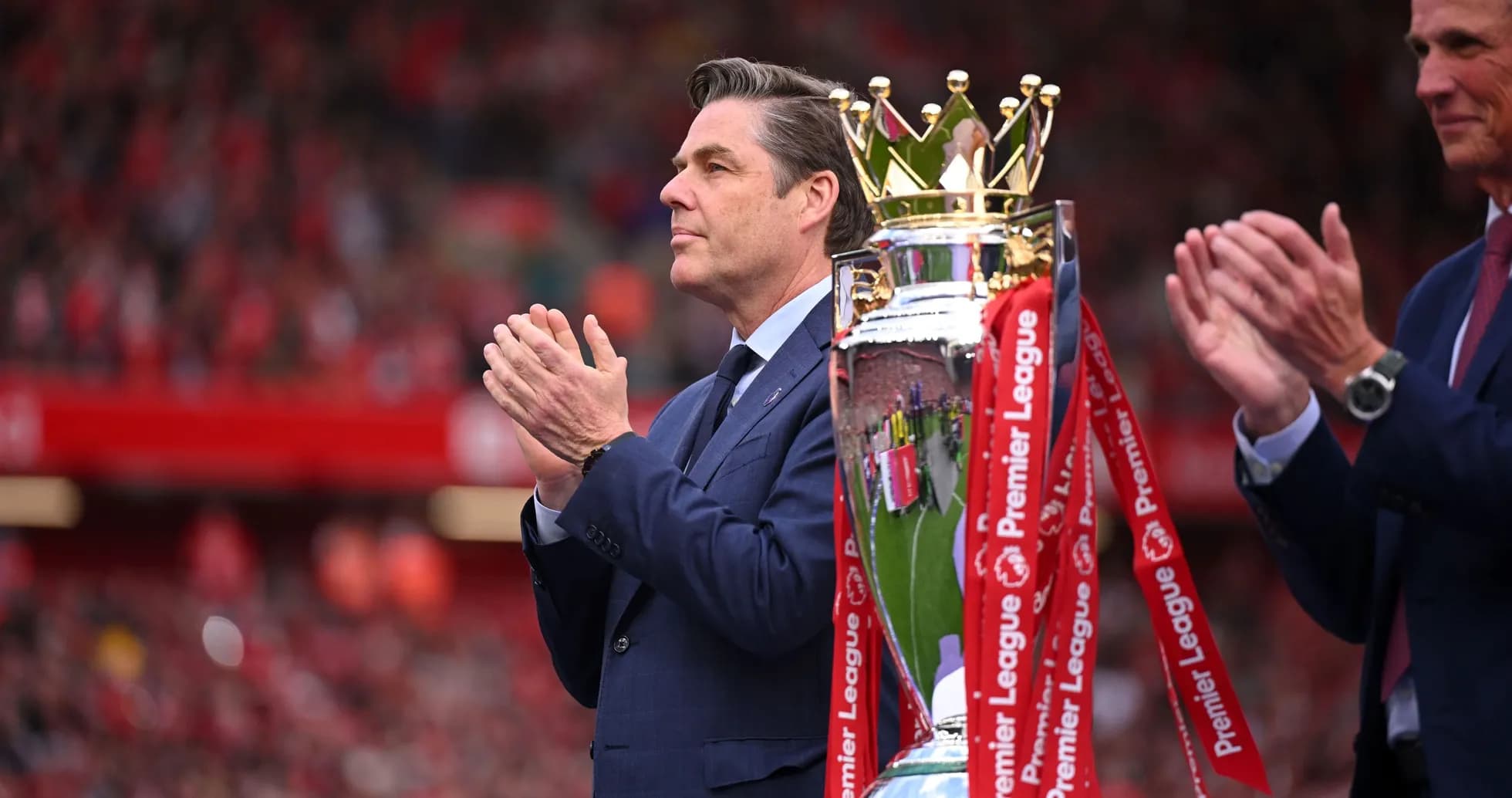
Premier League Chief Executive Richard Masters on Man City Case Delay
Richard Masters has acknowledged the growing frustration around Manchester City’s unresolved financial case, but the Premier League chief executive is refusing to be rushed into a verdict.
Speaking at a launch event on Tuesday and later in an interview with talkSPORT, Masters addressed the long-running saga surrounding the charges levelled at City. The club were hit with a raft of alleged breaches in February 2023, with an independent commission hearing finally wrapping up in December 2024. Since then, silence.
“As every day elapses, we must be a day nearer,” Masters said, underlining how long the wait has already been. “I obviously can't comment on it. I do understand the frustration. It has taken longer than expected, but we have to follow the process.”
That line – follow the process – has become the Premier League’s shield as the pressure mounts. Fans, pundits and rival clubs want clarity. Masters’ message is that speed cannot trump substance.
He stressed that the league’s central obligation is not to deliver a quick headline, but to give the commission the space and evidence it needs.
“In the end, the Premier League's responsibility is to ask the Independent Commission to look at serious allegations and to establish the truth,” he said. “That shouldn't be qualified by it taking too long, for example.”
The contrast with Chelsea’s case has only sharpened the scrutiny. Chelsea were handed a £10 million fine and a suspended transfer ban for historical breaches, a process that moved far more swiftly and cleanly. City’s situation, Masters argued, sits in a completely different bracket.
Where Chelsea’s new ownership came forward with information and accepted a sanction agreement, City’s case has been fought through a contested commission process, with the club under intense legal and public glare.
“In the situation with Chelsea, obviously it's historic. It's very different to PSR cases,” Masters explained. “In the case of Chelsea, the new owners came forward with all the information, and we decided to enter a sanction agreement.”
That cooperation changed everything. The Premier League could deal with Chelsea through negotiation, not litigation.
With City, Masters suggested, the landscape is far more complicated. He pointed to the difficulty of piecing together older, complex matters without full access to evidence or key witnesses. When that happens, he argued, the league has little choice but to push everything through a fully contested commission, whatever the time cost.
The result is a stand-off that has come to define the Premier League era: a dominant club under a cloud, a governing body insisting it will not be bounced into a verdict, and a sport waiting to see how far its own rules really reach.