.svg&w=384&q=75 "GoalGist logo")
Manchester United's Shift Under Michael Carrick: A New Era of Spending
There is one table Manchester United lead under Michael Carrick, and it is the one that cuts through all the noise. Since his appointment in January, no Premier League side has taken more points. For more than a decade, though, United have been used to topping a very different chart: the spending table. This summer, that familiar position vanished.
When the window shut, United were marooned in the bottom half of the Premier League’s spending rankings, according to Transfermarkt. Around £148 million went on midfielders – a figure that could climb to £155m – and then the chequebook snapped shut for senior signings. No new striker. No extra left-back. Nothing else.
Across the league, the numbers told a different story. Manchester City crashed through the £400m barrier. Chelsea and Tottenham went north of £300m. Newcastle, Aston Villa, Liverpool and Arsenal each surged past £200m. Promoted Ipswich and Hull both outspent United. In raw outlay, United sat down in 11th place.
For a club built on grand gestures, it felt jarring. Old Trafford, but on a budget.
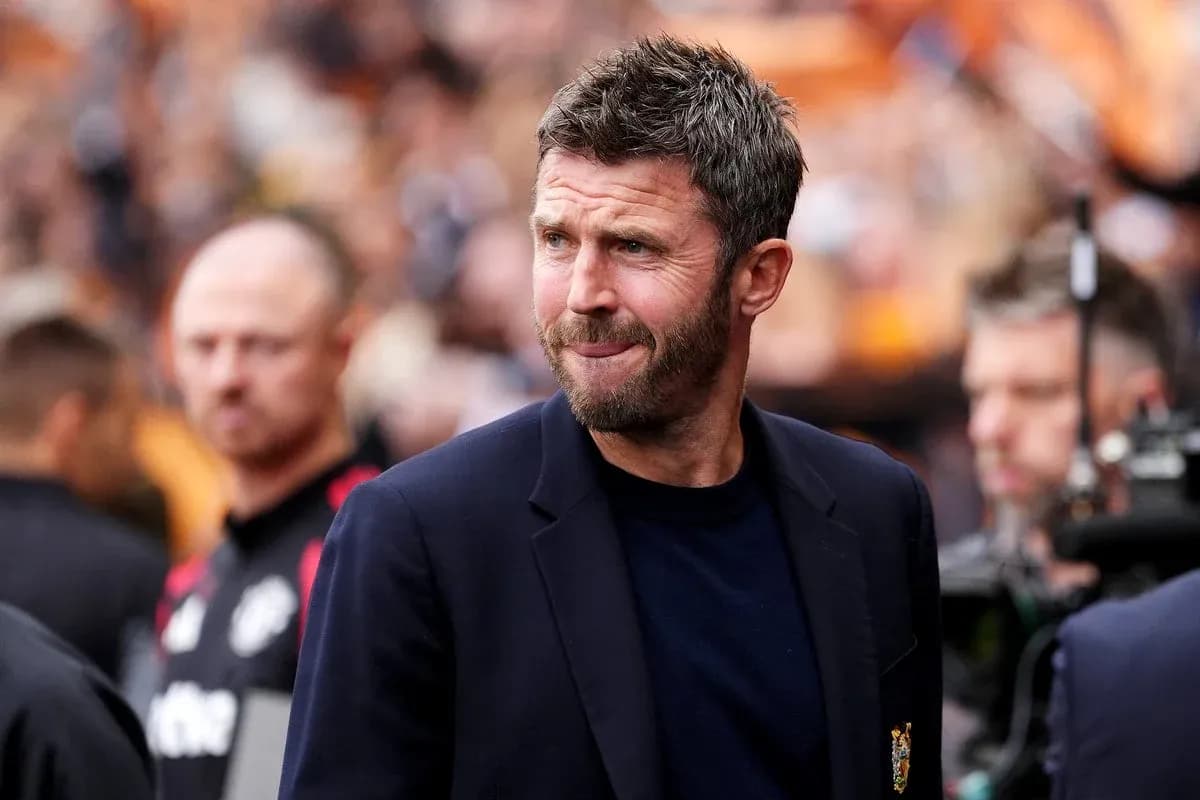
Carrick, though, is not a manager who publicly rails at his employers. He chose his words carefully and kept his focus on what he has, not what he lacks.
“Certainly, the players that we've brought into the group, I'm absolutely delighted with,” he said. “I think we've done some really good business there for the quality and the level of player that we've got. You can always look at it, and there's other things you can do or possibly could have done.”
That last line hung in the air. The suggestion was obvious enough: the gaps in the squad are about the deals United could not do, not the ones they did.
The market offered reminders of their changing reality. On deadline day, United were offered Rayan Ait-Nouri on loan. They looked, they weighed it up, they walked away. A permanent move for Lewis Hall was never really on the table; even if Newcastle had been open to selling, United were in no position to compete for that kind of fee.
Several strands have twisted together to leave United here. One is painfully familiar: the club’s chronic struggle to sell the players they no longer want. This time, there was even some misfortune involved. Manuel Ugarte’s World Cup injury scuppered hopes of cashing in on the Uruguayan. Andre Onana did not bring in a transfer fee either; instead, the goalkeeper headed back to Trabzonspor on loan. Joshua Zirkzee, another who might have fetched money, stayed put.
The one exception in that group is Marcus Rashford. Barcelona had an option to buy him for £26m. They walked away. United, in the long run, may be thankful. That fee already looks light for a player who, unlike several of his team-mates, has the quality to play his way back into first-choice status.
Inside Old Trafford, the early summer calculations probably included an extra £50m in sales, maybe even nudging £100m in a best-case scenario. Strip away the pre-arranged deal that sent Rasmus Hojlund to Napoli in 2025, and the reality was stark: only Coventry raised less from player sales than United in this window.
On the net-spend table, United climb a little higher, but not much. Villa and Chelsea actually turned profits. Newcastle, for much of the summer, looked as though they might do the same. Those clubs traded aggressively. United did not. In a market of constant churn, they looked oddly static.
They also looked out of step with the wild inflation in transfer fees. The market for midfielders, in particular, raced away from them. Players they liked – Elliot Anderson, Mateus Fernandes – started to move for eye-watering sums. United, weighed down by their own balance sheet, could not go with the tide.
Because this is not just about prudence. It is about the hangover from past excess. The heavy losses on big-ticket signings such as Antony and Casemiro have caught up with them. Even last summer, when Senne Lammens arrived as a clear bargain, the club still committed huge money to an attacking trio of Bryan Mbeumo, Mateus Cunha and Benjamin Sesko. That £200m frontline may yet justify the outlay, but the suspicion remains that United paid over the odds in at least one case.
Their annual accounts tell the rest of the story. Year after year, the club lists substantial sums still owed to other clubs in transfer instalments. On top of that sits the interest bill on the debt loaded onto United by the Glazer ownership. It all chips away at what Carrick can spend now.
Then there is the cost of the managerial carousel. Ruben Amorim’s tenure did not come cheap. Sporting CP received €11m in compensation when United prised him away. After his sacking, United kept paying the Portuguese coach. The price of that misstep showed up in the league table, too. A 15th-place finish in the Premier League in 2025 slashed prize money. A season of just 40 matches – with a Carabao Cup exit to Grimsby under Amorim and an FA Cup defeat to Brighton under Darren Fletcher – shrank gate receipts and broadcast income.
All of it led to this: a rebuild on a tighter budget than Old Trafford has seen in years.
Within that, United still found value. Youri Tielemans’ £35m release clause made him a relative steal, £90m cheaper than Enzo Fernandez. Andrey Santos cost £77m less than his former Chelsea team-mate, even if he spent most of his time watching from the Stamford Bridge bench while the Argentinian started. Carlos Baleba, at an initial £65m, was the most expensive of the trio, yet his fee only ranked as the 10th biggest signing by a Premier League club this summer.
United used to shape the market. Now they are trying to navigate it, counting every pound while Carrick squeezes every point. The table that matters says he is doing his part. The question is whether this leaner version of Manchester United can keep pace in a league where everyone else seems determined to spend their way forward.