.svg&w=384&q=75 "GoalGist logo")
Liverpool's Managerial Gamble: The Alonso Question
Liverpool did not just sack a manager. They detonated a plan.
Arne Slot, the coach who arrived with bold ideas and left with a Premier League title on his CV, is gone after two seasons. His first campaign delivered the biggest domestic prize of all. His second ended in fifth place, outside the Champions League spots, and Fenway Sports Group decided that was enough.
The result is not what has stunned Merseyside. It’s the timing.
Alonso Missed, Questions Asked
Xabi Alonso was there for them. That is the raw nerve.
When Alonso walked away from Real Madrid in January, the noise around a romantic Anfield return grew quickly. The fit seemed obvious: a Champions League-winning midfielder with Liverpool, a coaching education under some of the game’s sharpest minds, and a reputation enhanced by what he achieved at Bayer Leverkusen.
Instead, Liverpool stood by Slot.
Alonso waited, listened, and then chose Chelsea last month. Only weeks later, Liverpool pulled the plug on Slot. The sequence is what grates. They had the window. They didn’t move.
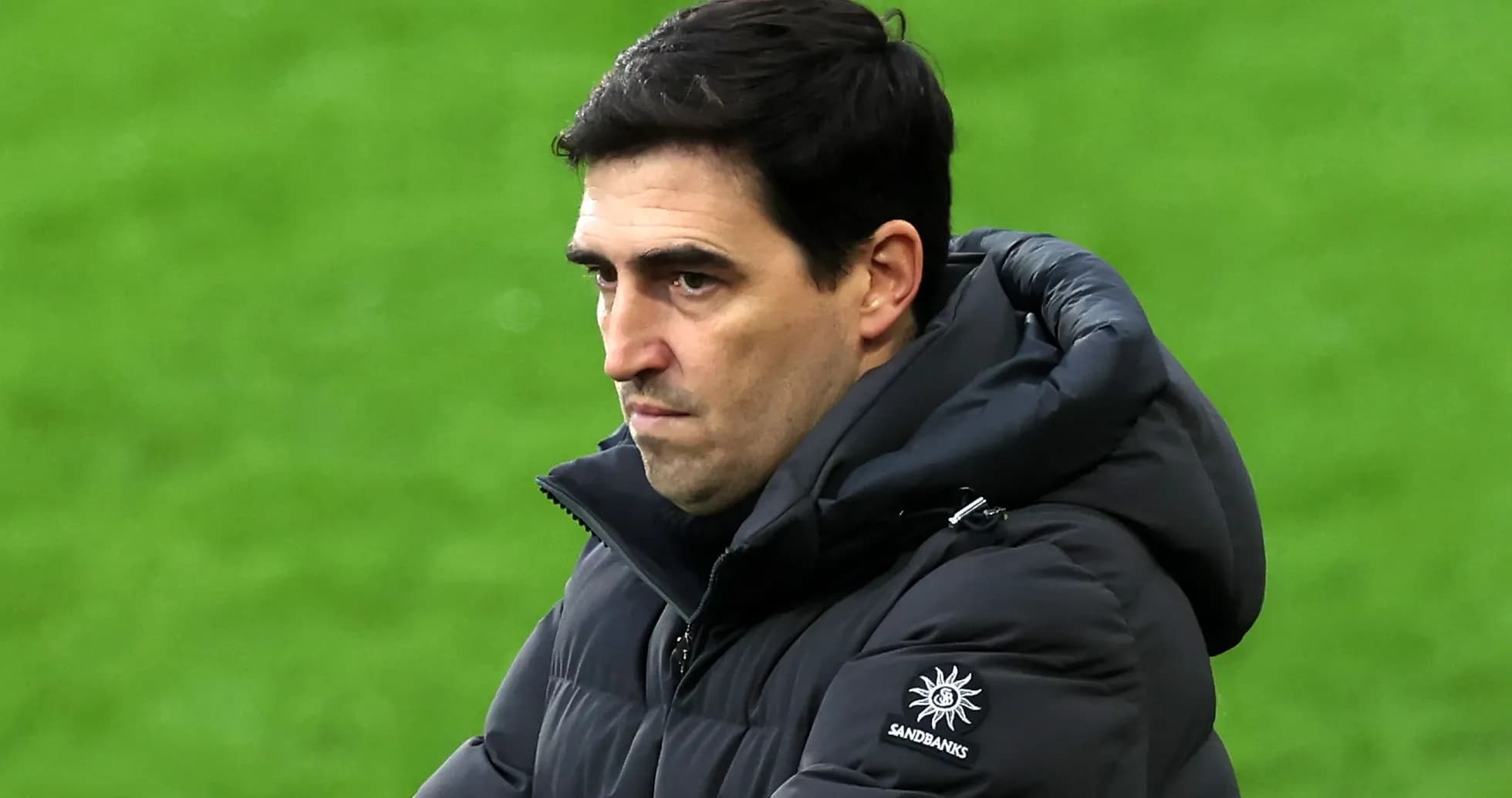
Now, with Andoni Iraola heavily tipped to take over, the whole strategy is being picked apart.
Carragher: “Why Was It Not Alonso?”
Jamie Carragher, never shy when it comes to holding his old club to account, laid out the concerns on The Overlap. For him, the puzzle starts with sporting director Richard Hughes and the lack of a decisive call when Alonso was available.
“I would have changed him (Slot) for Xabi Alonso. As soon as he went to Chelsea, I was thinking that I would keep Slot,” Carragher said, capturing the sense of hesitation that now hangs over the club’s hierarchy.
Carragher’s case for Alonso is rooted in both track record and temperament. He pointed to the way Alonso elevated Florian Wirtz at Leverkusen, his stellar playing career, and the calibre of coaches he learned under. He referenced the spell in charge at Real Madrid – difficult, imperfect, but lived under the most intense scrutiny.
“With Alonso, you have an incredible playing CV, the managers he has been coached by. What he did at Leverkusen. He has managed Real Madrid. I know it didn't go well, but he is used to that pressure and scrutiny,” Carragher said.
This is what jars for many supporters: if there was any doubt about Slot’s long-term future, why not make the change then, when Alonso was waiting and willing to talk?
Iraola’s Fit Under the Microscope
The debate now shifts from missed opportunity to tactical risk.
Carragher’s reservations about Iraola are not about personality or promise, but about fit. Iraola’s football is unforgiving. High pressing. Relentless running. Aggressive lines. It demands a specific type of squad, one tuned physically and mentally to repeat sprints and duels for 90 minutes, week after week.
That is not necessarily the squad Liverpool currently have.
“If Liverpool chose Iraola over Alonso, it is very worrying for Liverpool,” Carragher warned. “If it is because Alonso wants to play a back three, or his style of play, fair enough. But I am not sure Liverpool has the players to play Iraola's high-pressing game.”
Those lines cut to the heart of the concern. This is not just about whether Iraola is a good coach – his work at Bournemouth, where he navigated the loss of key players and still reshaped the team, suggests he is. It is about whether Liverpool are building from a clear idea or reacting on the fly.
A squad sculpted for one vision can quickly look ill-suited to another. At Anfield, where expectations are unforgiving, there is no patience for a long tactical mismatch.
A Summer of Upheaval
The managerial change is only the first tremor in what promises to be a seismic summer.
Mohamed Salah has gone, leaving a hole on the right flank that cannot be patched with potential alone. Whoever steps in on the touchline must also oversee the search for a world-class winger, a task as much about character as it is about numbers.
Behind the scenes, the clear-out is just as stark. Slot’s departure has taken assistants Sipke Hulshoff, Giovanni van Bronckhorst, and Ruben Peeters with him. The backroom structure that underpinned training, analysis, and conditioning has been stripped back. A new staff must be built almost from scratch, and built quickly.
Iraola, if he is the man, can point to experience in rebuilding after sales and departures at Bournemouth. He knows how to reset a dressing room. But Anfield is not the south coast. The scrutiny is harsher, the stakes higher, the margin for error far smaller.
Liverpool have chosen upheaval. They have let Alonso slip away and are betting on a very different kind of project.
If Iraola walks through the Shankly Gates, he will not just inherit a squad in transition. He will inherit a fanbase still asking a simple, lingering question: when the moment came, why wasn’t it Xabi?

