.svg&w=384&q=75 "GoalGist logo")
Lexington Triumphs Over Detroit City in USL League One Cup Shootout
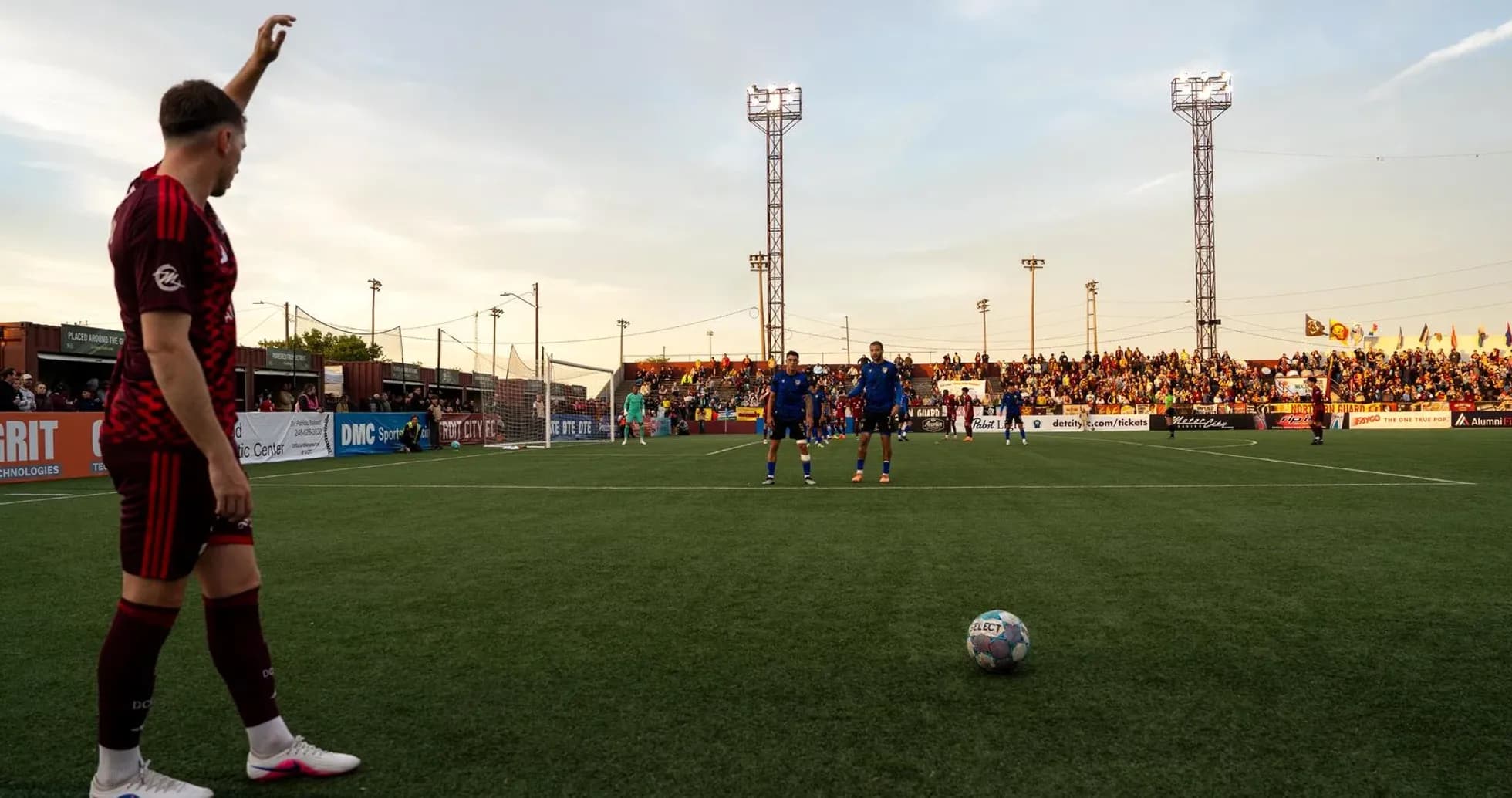
On a cool night at Keyworth Stadium, Detroit City and Lexington played out a contest that felt less like a group-stage tie and more like an early knockout rehearsal. Over 120 minutes, the game bent in different directions, but in the end Lexington’s nerve from the spot delivered a 3–1 penalty shootout triumph after a 1–1 draw in normal time.
I. The Big Picture – contrasting identities in Group 4
Heading into this game, the statistical profiles of the two sides in the USL League One Cup’s Group 4 could hardly have been more distinct. Detroit City arrived as a team still discovering its Cup identity: overall they had played 2 matches, winning 1 and losing 1, with 2 goals scored and 2 conceded. The numbers painted a balanced but brittle picture – total averages of 1.0 goal for and 1.0 against, and a goal difference of 0 overall.
At home, though, Detroit’s record had been harsher. In their only previous home fixture they had lost, with 1 goal for and 2 against, an average of 1.0 scored and 2.0 conceded at Keyworth. This was a side still trying to turn the stadium’s raw atmosphere into a true Cup fortress.
Lexington, by contrast, stepped in with the swagger of early group leaders. Overall in the Cup they had played 2, won 2, lost none, scoring 6 and conceding 3 for a total goal difference of +3. Their attacking output was explosive: 4.0 goals on average at home and 2.0 on their travels, giving a total average of 3.0 goals scored per match. Defensively they were not watertight – averaging 2.0 conceded at home and 1.0 away, 1.5 overall – but their offensive volume allowed them to live with that risk.
In the table snapshot, Detroit sat 5th in Group 4 with 4 points and a goal difference of -1, their “LW” form line reflecting a team oscillating between promise and vulnerability. Lexington, 3rd with 5 points and a goal difference of +4, carried a “WW” form, the picture of early momentum.
II. Tactical Voids and Discipline – where the edges frayed
There were no listed absences, so both Danny Dichio and Masaki Hemmi could lean fully into their preferred cores. That placed the onus on in-game management and discipline rather than personnel excuses.
Detroit’s disciplinary trend in the Cup had been quietly ominous. Their yellow-card timing skewed heavily toward the middle of games: 50.00% of their cautions came between 46–60 minutes, with further spikes at 31–45 (16.67%), 61–75 (16.67%), and 76–90 (16.67%). Even without red cards, those mid-to-late bookings hinted at a side that increasingly defended on the edge as intensity rose.
Lexington’s profile was broader but similarly combative. Their yellow cards were distributed across the first hour: 14.29% in both 0–15 and 16–30, then a joint peak of 28.57% in each of the 31–45 and 46–60 windows, with another 14.29% between 76–90. This was a team that pressed high and tackled aggressively early, accepting bookings as the price of territorial control.
In a match that went 120 minutes and to penalties, those patterns mattered. The middle third of the game – where both teams historically drew most of their cautions – became a tactical choke point, with refereeing thresholds tightening just as fatigue and frustration rose.
III. Key Matchups – Hunter vs Shield, and the Engine Room
Detroit’s starting XI was built around a spine of experience and mobility. C. Herrera in goal anchored a back line featuring D. Amoo-Mensah, C. Montgomery, T. Silva and H. Yamazaki, with K. Hernandez-Foster and R. Williams offering legs and bite in the middle third. Ahead of them, the creative thrust fell to Rafa Mentzingen, A. Dalou, A. Diouf and D. Smith.
Lexington answered with their own blend of steel and flair. O. Semmle started between the posts, shielded by a defensive line of X. Zengue, K. Burks, A. Ordonez and J. Hafferty. The midfield axis of B. Ferri and A. Molloy provided structure, while the attacking trio of A. Midence, Nick Firmino and M. Epps buzzed around central forward T. Scott.
The “Hunter vs Shield” duel here was less about a single marksman and more about collective patterns. Lexington’s attack, averaging 2.0 goals on their travels and 3.0 overall, tested a Detroit defence that had conceded 2.0 at home and 1.0 overall. Statistically, Lexington’s offensive volume was likely to create chances even against a reasonably compact block.
For Detroit, the counterpunch was about exploiting Lexington’s looseness at the back. On their travels, Lexington conceded 1.0 goal on average, and 1.5 overall. With Rafa Mentzingen drifting into pockets and D. Smith stretching the line, Detroit had the tools to isolate Lexington’s centre-backs K. Burks and A. Ordonez in transition.
The “Engine Room” clash pitted Detroit’s R. Williams and Hernandez-Foster against Lexington’s double pivot of Ferri and Molloy. Lexington’s Cup identity – two wins from two, no draws, no losses – was built on controlling the central channels and allowing Firmino to knit attacks. For long stretches, that dynamic dictated the rhythm, with Lexington’s midfield recycling possession and pinning Detroit deeper than Dichio would have liked.
IV. Statistical Prognosis and the shootout verdict
From a pure statistical standpoint heading into the fixture, Lexington were always likelier to tilt the Expected Goals balance. Their total scoring average of 3.0 per match, even against a Detroit side conceding just 1.0 overall, suggested they would generate the higher xG, particularly through volume shooting and repeated entries around the box.
Detroit, by contrast, profiled as a team that would need efficiency. With only 1.0 goal on average at home and away, and no matches in which they had failed to score, their path to victory was through converting a small number of chances and relying on defensive structure.
Over 120 minutes, the narrative landed somewhere between those poles. Detroit struck first and held a 1–0 lead at half-time, but Lexington’s attacking persistence eventually forced the 1–1 full-time scoreline that their pre-match numbers hinted at. Neither side could find a breakthrough in extra time, and the game bled into the penalty shootout.
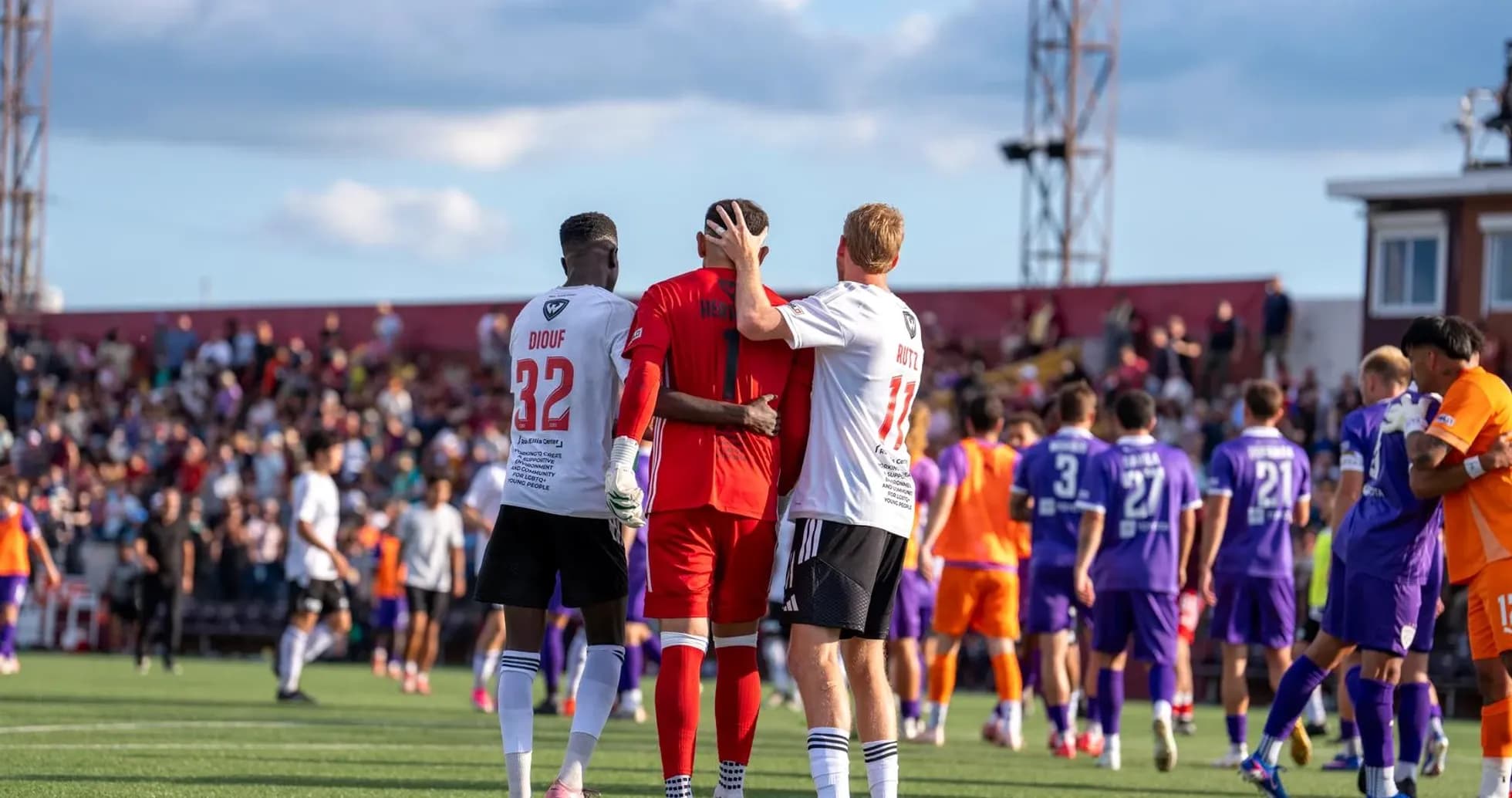
Here, the margins that statistics cannot fully capture took over. Both teams had taken no penalties in the Cup prior to this match – no successes, but also no misses, a blank slate. Under the Keyworth floodlights, it was Lexington who wrote the sharper script, converting 3 to Detroit’s 1 and closing out a 3–1 shootout win.
Following this result, the underlying storylines harden. Lexington’s attacking identity and mental resilience in decisive moments look sustainable assets for the latter stages of the USL League One Cup. Detroit, meanwhile, remain a side with structure and spirit, but one still searching for a more ruthless edge in both boxes – the missing layer that turns long, even battles like this into outright victories rather than noble exits.