.svg&w=384&q=75 "GoalGist logo")

Fiorentina and Napoli Share Points in Frustrating Draw
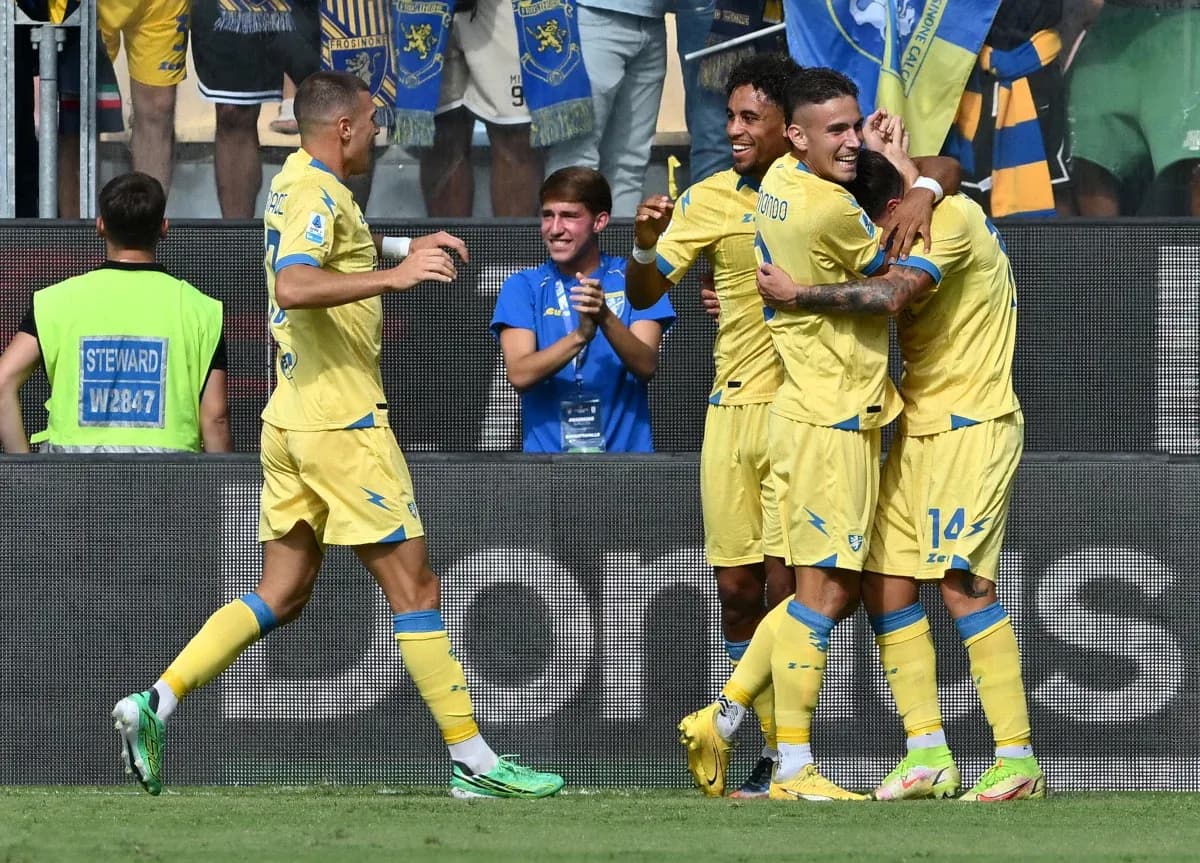
Under the pale midday light at Stadio Artemio Franchi, Fiorentina and Napoli walked out knowing their early-season trajectories could not feel more different, even if the table suggested both were still searching for a true identity. By the final whistle, a 1–1 draw had written another chapter of frustration for the home side and quiet concern for the visitors.
I. The Big Picture – A fragile Viola against a reshaped Napoli
Following this result, Fiorentina remain a team caught between promise and vulnerability. Seventeenth in Serie A with 4 points from 5 matches, their overall goal difference of -6 is a stark summary of a campaign in which they have scored 6 and conceded 12. At home, the numbers are even more sobering: across 3 league fixtures in Florence they have yet to win, with 0 victories, 1 draw and 2 defeats, scoring just 2 and conceding 6. The seasonal DNA is clear – a side trying to play, but paying heavily for every mistake.
Napoli, ninth with 7 points from 5 games, are not yet the ruthless machine their squad suggests they could become, but they are at least balanced. Overall they have 2 wins, 1 draw and 2 losses, with 7 goals scored and 6 conceded, giving them a goal difference of +1. On their travels, they have been steady rather than spectacular: 1 win, 1 draw and 1 defeat away, with 5 goals scored and 4 conceded. It is the profile of a side that can manage games, but has not yet found its attacking peak.
Tactically, this fixture offered a fascinating contrast. Paolo Vanoli doubled down on Fiorentina’s identity with a 4‑3‑3, trusting youth and vertical energy. Massimiliano Allegri, in a twist from his traditional image, set Napoli up in a 4‑2‑3‑1 that blended control and transition, using high-level technicians between the lines.
II. Tactical Voids – Absences that shape the chessboard
Both squads arrived with key absentees that quietly re-drew the tactical map.
For Fiorentina, the absence of F. Parisi (knee injury) stripped Vanoli of a natural attacking full-back option on the left, while R. Sottil’s back injury removed a direct, line-breaking winger from the bench. The result: the back four of Viery, L. Ranieri, R. Dragusin and A. Jimenez had to provide security first, leaving the front three more isolated and making Fiorentina’s left flank more conservative than usual.
Napoli’s missing list was longer and more structurally significant. A. Meret’s muscle injury opened the door for V. Milinkovic-Savic in goal, altering build-up patterns and the starting point of their possession. At the back, A. Buongiorno’s knee injury and L. Spinazzola’s muscle issue limited Allegri’s flexibility in rotating his defensive line and left flank. In midfield, the absence of S. McTominay (heart problems) and Giovane (groin injury) reduced Napoli’s options for physical presence and late-game energy in the engine room. Up front, Alisson Santos and L. Marianucci were also unavailable, trimming attacking depth from the bench.
Disciplinary trends added another subtle layer. Fiorentina’s yellow-card profile this season is heavily back-loaded: 33.33% of their cautions arrive between 61–75 minutes, with another 22.22% in the final 76–90 segment. Napoli, by contrast, cluster their bookings earlier, with 50% of their yellows arriving between 31–45 minutes and 25% between 46–60. This is the portrait of a home side that grows desperate and stretched late on, versus a visiting team that often has to absorb pressure and make tactical fouls around half-time.
III. Key Matchups – Hunter vs Shield, Engine Room vs Conductor
The headline duel at Franchi revolved around Franco Mastantuono, Fiorentina’s 18-year-old revelation, and a Napoli defensive unit built to suffocate exactly his kind of talent.
Mastantuono, listed as a midfielder but used here high on the right of the front three, has been Fiorentina’s brightest light in a dark start. Across the season he has 3 goals in 5 league appearances, all from the start, with 382 minutes played. His shot volume – 17 attempts, 8 on target – and 10 key passes underline a player who does not just finish moves but initiates them. His 23 dribbles attempted, with 9 successful, show a willingness to take on defenders repeatedly, even at the cost of lost duels (he has won 22 of 64). In a side that has scored only 6 overall, he is both hunter and creator.
Against him stood a Napoli back line of M. Olivera, R. Marin, A. Rrahmani and G. Di Lorenzo, protected by a double pivot of B. Gilmour and S. Lobotka. Napoli’s defensive record this season – 6 goals conceded in 5 matches overall, with an away average of 1.3 goals against – paints them as compact and rarely overrun. Their away goal difference is +1, with 5 scored and 4 conceded, which hints at a side capable of absorbing pressure and then punishing on the break.
The “Engine Room” duel was equally compelling. Fiorentina’s midfield trio of C. Ndour, N. Fagioli and A. Atta had to find passing lanes through Napoli’s Gilmour–Lobotka axis and past the pressing triggers of M. Politano and N. Lang. Napoli’s shape in possession often morphed into a 2‑3‑2‑3, with Lobotka dropping to orchestrate and K. De Bruyne sliding into the half-spaces, threading passes into R. Hojlund.
For Napoli, De Bruyne was the conductor. With Fiorentina conceding an overall average of 2.4 goals per game and 2.0 at home, his ability to exploit gaps between Dragusin and Ranieri was always likely to decide whether Napoli could turn control into goals. Fiorentina, who have yet to keep a clean sheet in any of their 5 league matches, were again walking a tightrope.
IV. Statistical Prognosis – A draw that flatters neither
From a statistical perspective, the 1–1 scoreline fits the broader seasonal patterns. Fiorentina’s attack at home has been blunt – just 0.7 goals per game in Florence – and they again relied heavily on moments of individual brilliance, likely from Mastantuono, rather than sustained pressure. Their defensive fragility, with 2.0 goals conceded per home match heading into this game, did not vanish, even if they limited Napoli to a single strike.
Napoli, meanwhile, performed almost exactly to type. Their overall scoring average of 1.4 goals per match and away average of 1.7 suggested they would create and take at least one major chance; their defensive solidity, conceding 1.2 per game overall, again kept them in control for long stretches without killing the contest.
The late-game narrative also aligned with the disciplinary and psychological trends. Fiorentina, a side whose yellow cards cluster after the hour mark, pushed harder as time ticked away, risking transitions the other way. Napoli, whose bookings tend to arrive around half-time, had already done their tactical fouling earlier, then retreated into a more managed, pragmatic block.
In the end, the draw leaves Fiorentina still searching for their first home win and still leaning heavily on an 18-year-old to carry their attacking burden. Napoli leave Florence with a point that keeps them in the top half but raises familiar questions: can a team with this much technical talent turn control into ruthlessness?
On the evidence of this match – and the numbers that frame it – both sides remain unfinished projects. Fiorentina must harden their defensive core and share the creative load beyond Mastantuono. Napoli, for all their structure and balance, need their stars between the lines to turn territorial dominance into a sharper edge. Until then, 1–1s like this will feel less like stability and more like missed opportunity.