.svg&w=384&q=75 "GoalGist logo")
FIFA Increases World Cup Payments to Clubs for 2026
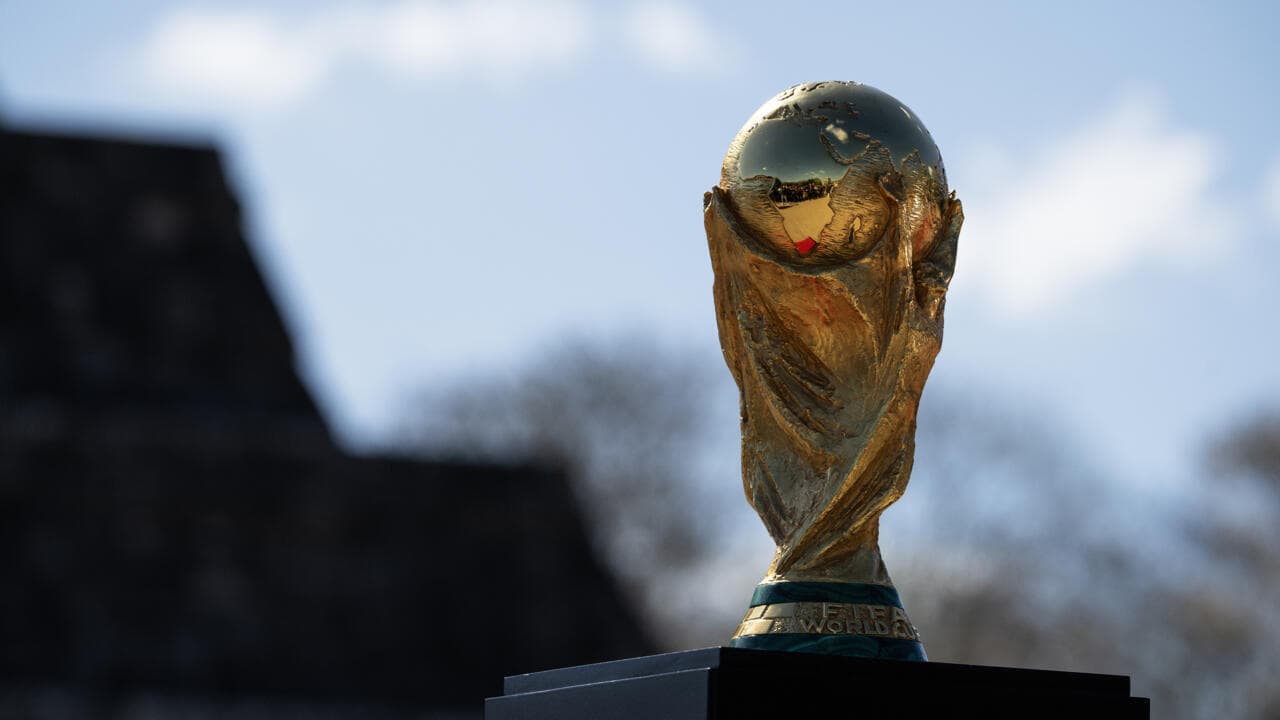
FIFA has turned the money tap further in favour of clubs, confirming a sharp rise in payments to the teams that supply players for the 2026 World Cup.
The governing body’s Club Benefits Programme will jump to $355 million, a 70 percent increase on the pot distributed for Qatar 2022. The move had been signposted last September; now the numbers are locked in.
The timing is no coincidence. FIFA is projecting a financial boom from its new cycle. It expects total revenue this year to climb 56 percent on 2022, and across the four-year period to 2026 – which includes the expanded Club World Cup in 2025 – income is forecast to be 72 percent higher than in the previous cycle.
More games, more days, more money
The tournament itself is swelling. The World Cup will grow from 32 teams to 48, driving the number of matches from 64 to 104. The schedule stretches too: 39 days of football instead of 29.
With that expansion comes a broader compensation scheme. For the first time, clubs will also be paid for releasing players for World Cup qualifying, not just for the finals.
FIFA has carved the $355m into three distinct slices.
The largest, $250m, is set aside for players at the finals. FIFA says the minimum payment per player will be $5,000 for every day they spend at the World Cup, though it stresses that “the final figures will be confirmed after the conclusion of the tournament.” The calculation is simple but lucrative: a per-player, per-day rate, tied to squad inclusion and how long each player stays involved.
Qualifiers finally pay out
Another $100m is reserved for qualifying matches. For the 905 qualifiers worldwide – plus 10 friendlies each for the three host nations, who do not need to qualify – FIFA estimates it will pay $2,362 for every player named in a match-day squad.
For clubs that have long argued they carry the physical and financial risk when players disappear on international duty, that figure changes the equation. Every call-up now comes with a concrete line in the accounts.
The final $5m will be used to cover administrative costs. If anything remains, FIFA says it will be “allocated to the benefit of global club football.”
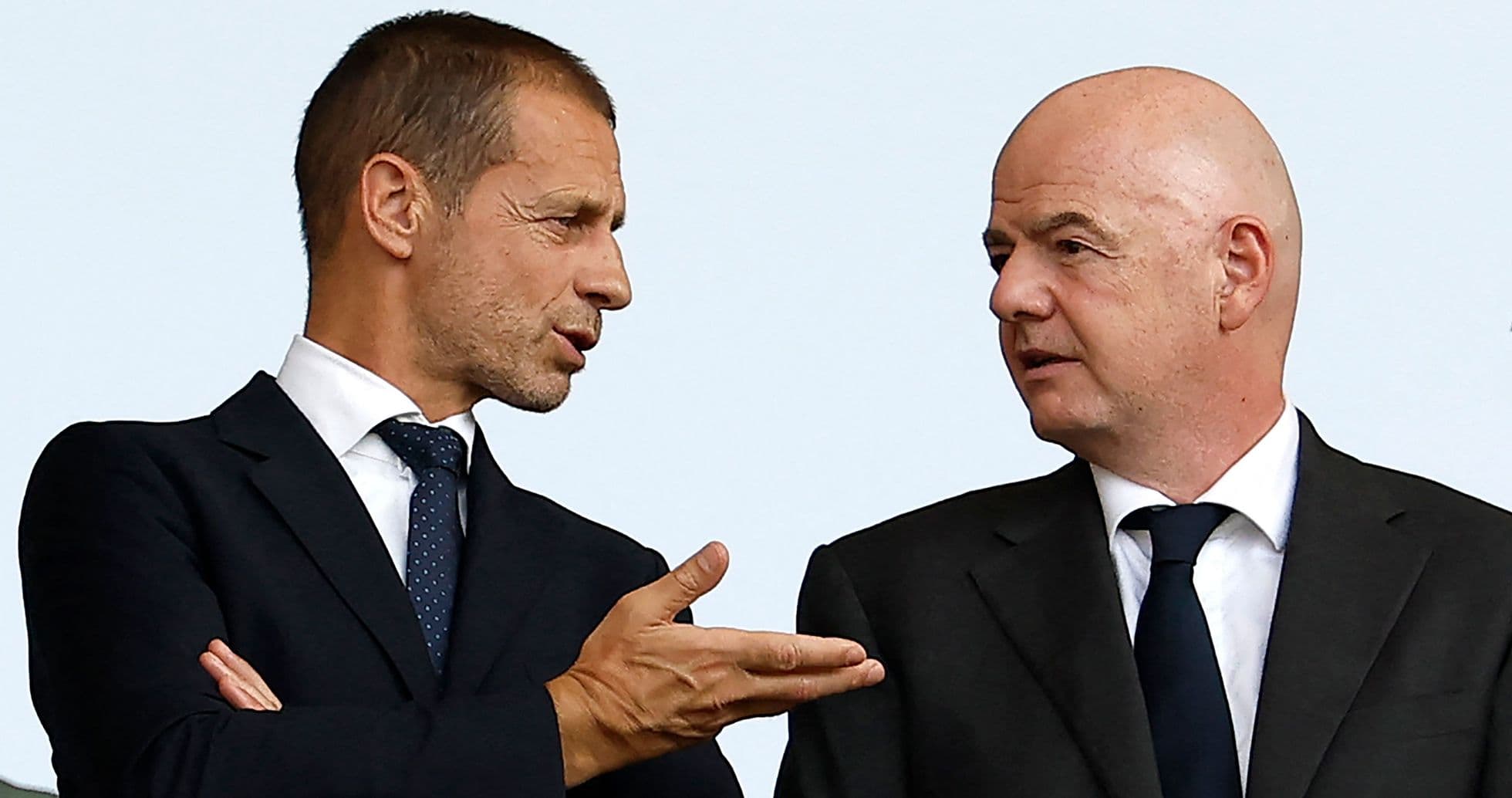
Gianni Infantino, FIFA’s president, framed the move as a direct dividend of the supersized World Cup. “This is another benefit from the expanded FIFA World Cup – providing more support across the entire football ecosystem to the clubs that provide all the players who compete to shine on the global stage,” he said in the statement unveiling the programme.
Who gets what
The payments hinge on a player’s club registration at the moment World Cup squads are officially announced. That snapshot decides which club receives the money, but FIFA has built in mechanisms to deal with mid-tournament transfers and late replacement players, ensuring the cash follows the reality on the ground.
For clubs from Europe’s elite to smaller sides who may only send one player, the message is clear: the bigger, longer World Cup will not just dominate the calendar – it will reach deeper into club balance sheets than ever before.