.svg&w=384&q=75 "GoalGist logo")
FAI Faces Pressure Over Israel Matches Amid Protests
Tennis balls, wrapped in Palestinian flags and daubed with the words “stop the game”, arced out of the stands at the Aviva Stadium on Thursday night. Three times in the first half of the Republic of Ireland’s 1-0 win over Qatar, play stopped. The message did not.
Now the Football Association of Ireland must decide what to do about it.
FAI braced for crunch talks
The FAI board of directors is planning to meet next week to discuss its stance on Ireland’s upcoming Nations League fixtures against Israel in September and October. The meeting is “likely to happen” but not yet confirmed, according to an FAI spokesperson, who made clear one thing: “The topic of Israel games will be discussed.”
That single line drags a political, legal and moral storm into the boardroom.
The home match against Israel is scheduled for October 4th at the Aviva Stadium. Reports on Friday suggested the FAI could consider moving it to a neutral venue, but the association has not confirmed whether such an option will be on the table when the board, chaired by independent director Tony Keohane, convenes.
“The agenda or invite hasn’t been sent out yet,” the spokesperson said, underlining how fluid the situation remains.
Coleman: “It should have been dealt with above us”
The protests have already seeped into the dressing room, and the players have had enough of carrying the political weight.
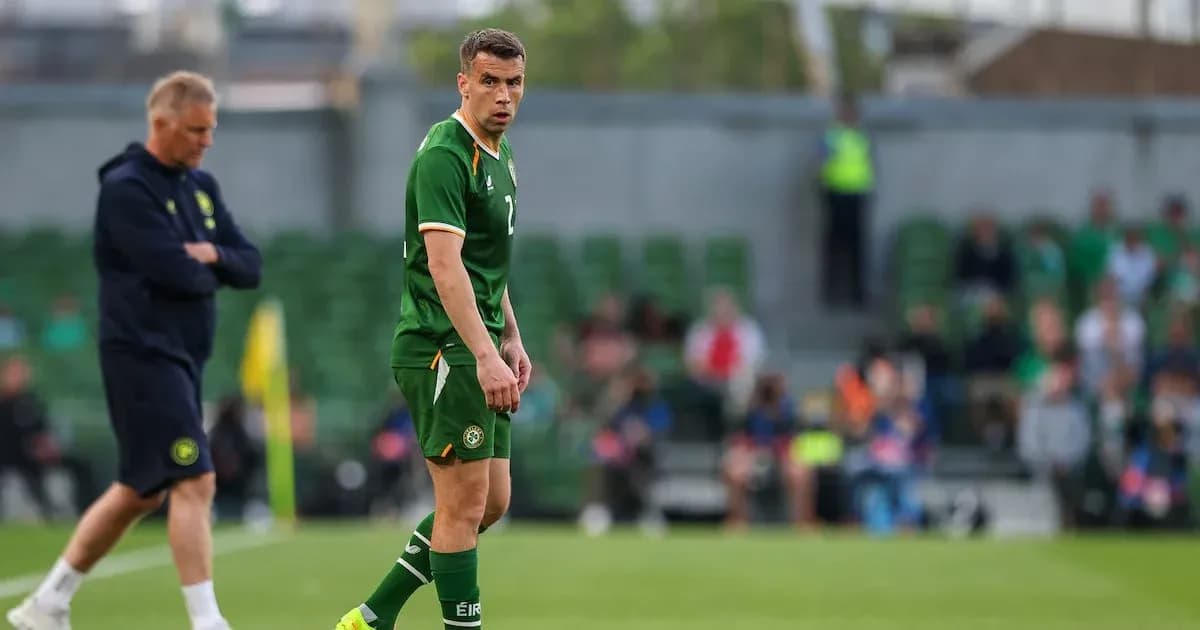
Ireland captain Séamus Coleman spoke bluntly on Wednesday, insisting that the responsibility should not rest with the squad or coaching staff when it comes to questions on Israel and the fixtures.
“It should have been dealt with above us,” Coleman said. “It is very uncomfortable.”
His words captured a growing sense that the issue has outgrown the touchline and now sits squarely with the game’s administrators.
Push for boycott gathers momentum
While the FAI board prepares for its own debate, pressure from within Irish football’s structures is intensifying.
Members of the FAI General Assembly who support a boycott of both matches against Israel have secured the required backing to force the issue. They have reached the threshold of 10 per cent of the GA’s 145-strong membership, enough to call an Emergency General Meeting aimed at passing a motion to stop the games entirely.
The call for an EGM has come from a coalition that speaks to different corners of the Irish football community: the Professional Footballers’ Association of Ireland (PFAI), the Irish Football Supporters Partnership (IFSP), CK United, Cork City and Bohemians.
If that EGM motion passes, and if the FAI executive accepts it, Ireland will formally inform Uefa that it will not play the Nations League fixtures against Israel on what it describes as “both legal and moral grounds.”
That would be a stark, confrontational stance in a competition governed by Uefa, and one that would carry consequences far beyond a single international window.
For now, the tennis balls have been cleared from the pitch, the friendly against Qatar has been filed away as a 1-0 win, and the Nations League schedule remains unchanged on paper. The real contest is about to move behind closed doors, where Irish football must decide not just who it plays, but what it stands for.

