.svg&w=384&q=75 "GoalGist logo")
Colombia Triumphs Over Ghana in World Cup Round of 32
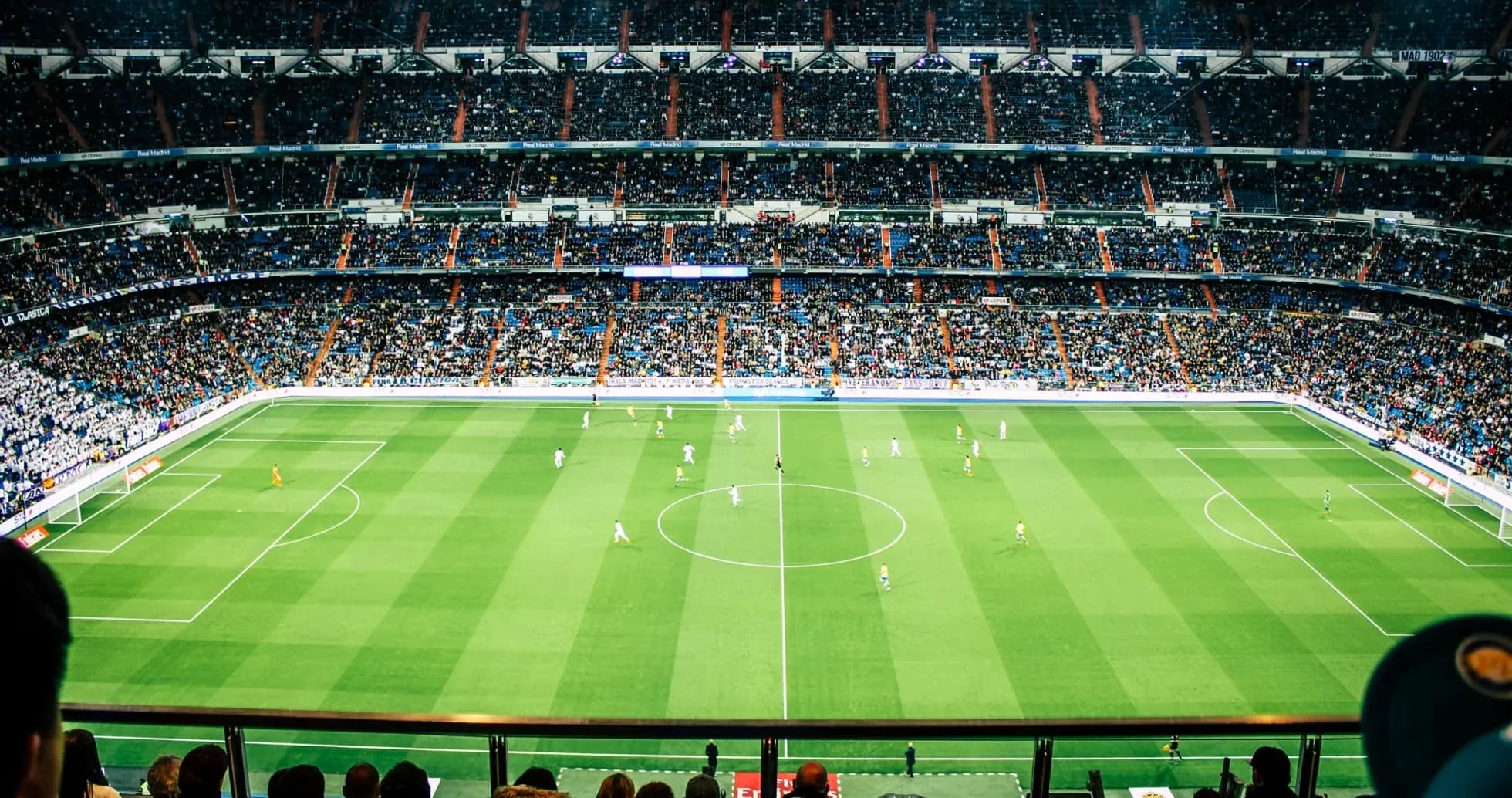
Arrowhead Stadium in Kansas City staged a World Cup Round of 32 tie that felt like a clash of identities as much as of continents. Colombia arrived as group winners from Group K, top of their section with 7 points and a goal difference of 3 after 3 matches, their form line reading WDW in the group and stretching to WWDW overall this campaign. Ghana came in from Group L with 4 points, third in their pool, level in goals with 2 scored and 2 conceded overall in the group, and carrying a form pattern of WDLW heading into the knockouts.
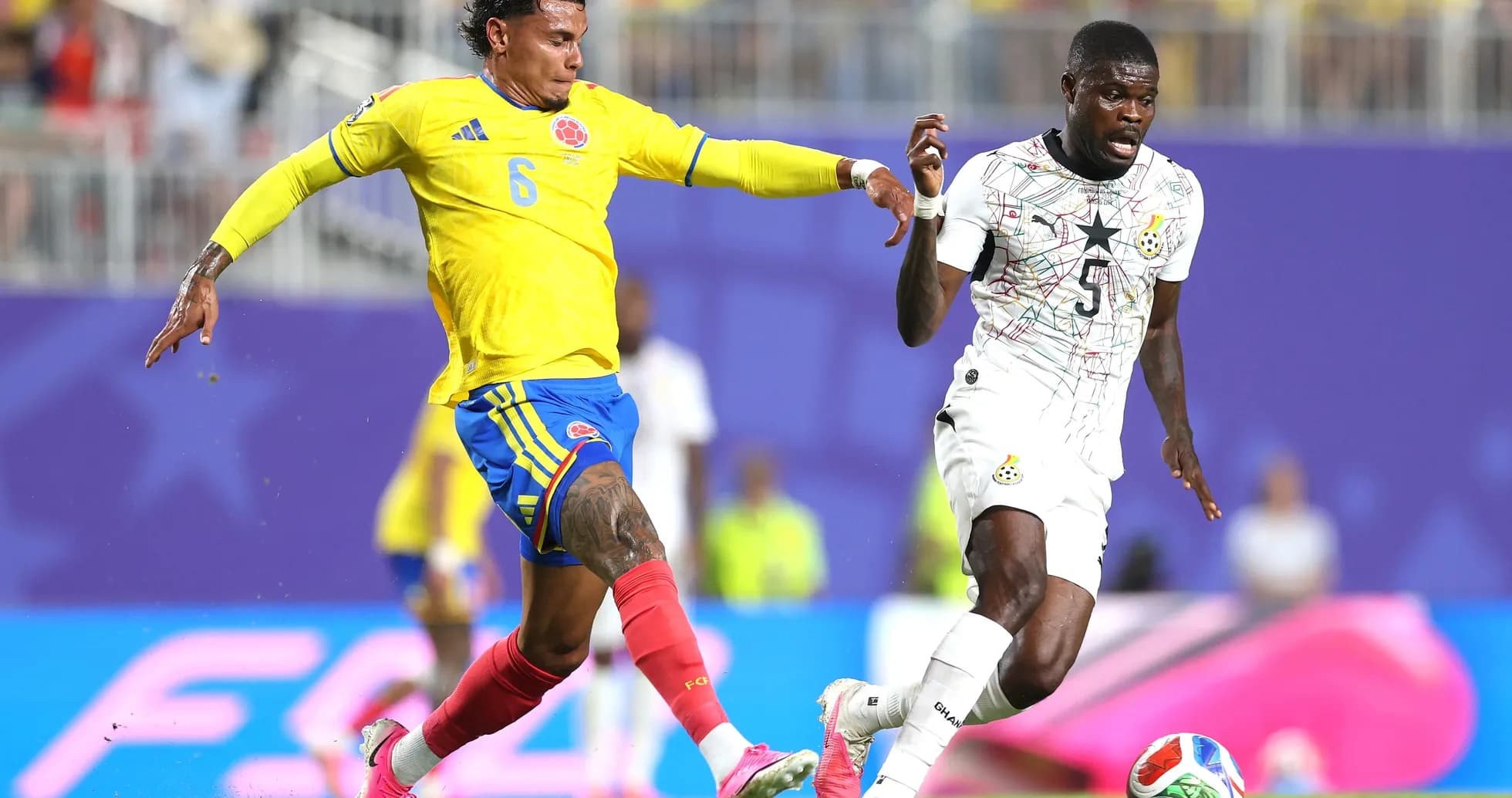
Final Score: Colombia 1–0 Ghana
By full time, the scoreboard told a tight story: Colombia 1–0 Ghana, the same narrow margin that had underpinned Colombia’s biggest home win of the tournament so far. But underneath that single goal lay two distinct tactical blueprints.
Colombia's Tactical Approach
Nestor Lorenzo doubled down on Colombia’s tournament identity with a 4-3-3 that has been his default, used in all 4 matches so far. C. Vargas anchored the side in goal, shielded by a back four of D. Munoz, D. Sanchez, J. Lucumi and J. Mojica. Ahead of them, the midfield triangle of G. Puerta, J. Lerma and J. Arias provided the platform for a front three built to hurt teams between the lines: J. Rodriguez as the left-footed orchestrator from advanced zones, J. Cordoba as the central reference point, and L. Diaz as the high-tempo wide threat.
The numbers from Colombia’s campaign explain the confidence in this shape. Overall, they have played 4 matches, winning 3 and drawing 1, with no defeats. At home they have played 3 times, winning 2 and drawing 1, and on their travels they have played once and won it. In total this campaign they have scored 5 goals and conceded just 1, for a goal difference of 4 overall. At home they have scored 2 and conceded 0, while on their travels they have scored 3 and conceded 1. The defensive platform is stark: an overall average of 0.3 goals conceded per match, with 0.0 at home and 1.0 on their travels. They have kept 3 clean sheets in total, all of them at home.
That defensive steel shapes how Lorenzo sets his line. Sanchez and Lucumi hold an aggressive but controlled line, trusting Vargas behind them and the pressing of Lerma and Puerta ahead. Mojica and Munoz are not simply full-backs; they are the width that allows Rodriguez and Diaz to come inside. The trade-off is visible in attack: at home, Colombia’s goals-for average sits at 0.7 per match, a modest return that underscores how much they rely on control and game management rather than volume of chances.
Ghana's Tactical Setup
Across from them, Carlos Queiroz arranged Ghana in a 4-1-4-1, a system designed to compress central spaces and spring forward when the moment is right. L. Ati Zigi started in goal behind a back four of M. Senaya, D. Luckassen, J. Opoku and G. Mensah. T. Partey sat as the lone pivot, with a line of four in front of him: I. Williams wide, C. Yirenkyi and K. Sibo as the interior pair, A. Semenyo from the other side, and J. Ayew as the single forward.
Ghana’s campaign profile made this shape almost inevitable. Overall, they have played 4 matches, winning 1, drawing 1 and losing 2. At home they have played once and won it; on their travels they have played 3 times, drawing 1 and losing 2. In total this campaign they have scored 2 goals and conceded 3, for a goal difference of −1 overall. At home they have scored 1 and conceded 0; on their travels they have scored 1 and conceded 3. Their goals-for averages tell a story of a side still searching for an attacking rhythm: 0.5 in total, split into 1.0 at home and just 0.3 on their travels. Defensively, they concede an overall average of 0.8 goals per match, with 0.0 at home and 1.0 on their travels.
Within that frame, the role of Caleb Marfo Yirenkyi looms large. Listed as a starter here in the line of four behind Ayew, Yirenkyi has quietly become one of Ghana’s most influential figures this campaign. Across 4 appearances and 3 starts, he has scored 1 goal, taken 2 shots with 1 on target, and completed 70 passes with 1 key pass and an 88% accuracy. Defensively, he has made 2 tackles, blocked 2 shots and produced 3 interceptions, while engaging in 32 duels and winning 8. His disciplinary line is sharp-edged: 7 fouls committed, 3 drawn, and 2 yellow cards but no reds so far. He embodies Ghana’s dual nature under Queiroz: industrious, tactically obedient, but carrying a streak of risk in how aggressively he contests the ball.
Disciplinary Profiles
The disciplinary profiles of both teams feed directly into the tactical narrative. Colombia’s yellow-card distribution is spread but spikes early and late: 33.33% of their yellows arrive in the first 15 minutes, another 33.33% between 76–90 minutes, and 16.67% each between 46–60 and 91–105. It paints a picture of a side that sets an early physical tone and then leans into the dark arts to close out matches. Ghana’s yellows, by contrast, cluster around the middle phases: 16.67% between 16–30 minutes, 33.33% between 46–60, and then 16.67% in each of the 61–75, 76–90 and 91–105 windows. They tend to grow into games physically, risking cards as they chase momentum.
Match Dynamics
This is where the “Hunter vs Shield” duel crystallises. Colombia’s attack, driven by Rodriguez and Diaz, is not explosive in raw numbers but is ruthlessly efficient in protecting slender leads. With an overall goals-for average of 1.3 and that defensive average of 0.3 conceded, they are built to make a single strike stand up. Ghana, on their travels, average just 0.3 goals scored and 1.0 conceded, which places a heavy burden on Ayew to convert scarce moments and on Yirenkyi, Sibo and Semenyo to break lines quickly when possession is turned over.
In the engine room, the contest between Lerma and Puerta against Partey and the supporting Ghana interiors shapes the tempo. Lerma’s screening allows Rodriguez to take up pockets between Ghana’s lines, while Puerta’s energy helps Colombia counter Ghana’s late surges, especially in that 46–60 minute window where Ghana’s yellow-card peak hints at a more aggressive press.
With neither side awarded a penalty in this tournament so far and both carrying a total of 0 penalties taken, there is no safety net from the spot; every chance must be carved in open play. The statistical prognosis leans towards Colombia: their perfect record of no defeats, 3 clean sheets in total, and a goals-against total of just 1 across 4 matches suggest that once they edge in front, they rarely relinquish control. Ghana’s resilience is real – 2 clean sheets in total and a compact structure – but their attacking output, particularly on their travels, leaves them walking a tightrope.
Following this result, Colombia’s blueprint looks vindicated: a controlled 4-3-3, a defence that bends rarely and breaks almost never, and just enough incision from Rodriguez, Diaz and Cordoba to turn a cagey Round of 32 tie into a step forward in the World Cup. Ghana depart having shown organisation and flashes of individual quality, especially from Yirenkyi and Partey, but their numbers underline the story of the night: against a side this secure without the ball, 0.5 goals per match in total was always likely to fall just short.