.svg&w=384&q=75 "GoalGist logo")
Celtic's Struggles Under Martin O’Neill: A Legend at Risk
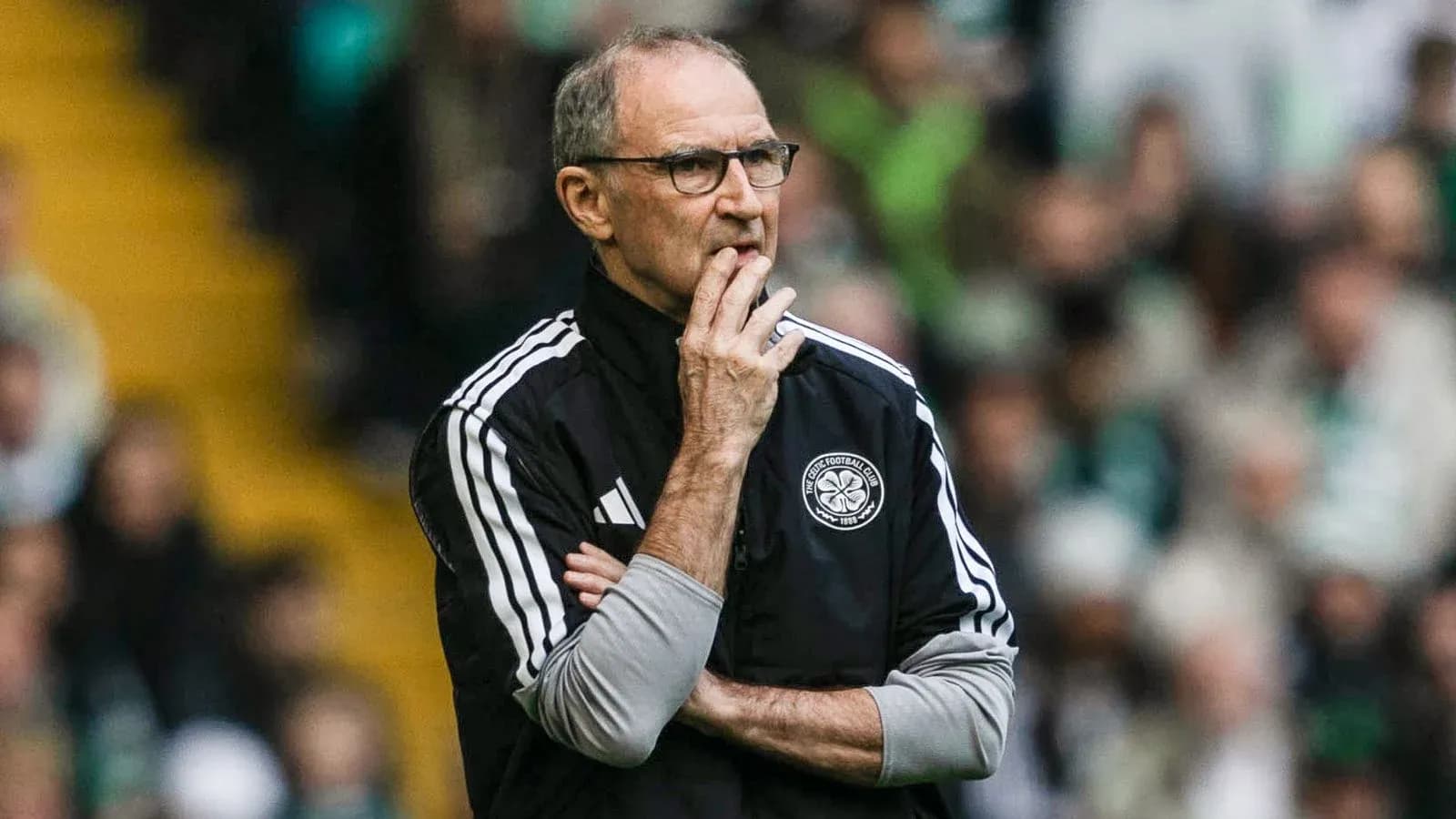
Martin O’Neill has earned the right to be called a Celtic legend. That much is not up for debate. The question now is whether that status should protect him from the kind of scrutiny currently engulfing Parkhead – or whether a change is needed before a wobble becomes a full-blown crisis.
After Sunday’s 1-0 defeat to Rangers in front of 60,000 at Celtic Park, their second Old Firm loss in a week, the 74-year-old admitted he will stop and decide if it is “time to wrap it up”. The tone was reflective, but the context was brutal: a damaging seven days that also included a 3-1 Europa League defeat to Ferencvaros.
The performances have been as alarming as the results. Each game has chipped away at the sense of control Celtic usually carry into an international break. Now, with three weeks to think and talk and argue, the mood among supporters is one of anxiety rather than anticipation.
A season that started perfectly – on paper
On the surface, the numbers don’t scream crisis. Celtic opened their title defence with six straight Premiership wins and sit top of the league. But those early victories never fully convinced. The cracks widened in Europe.
Their Champions League play-off against LASK was the turning point. From 4-0 up in the tie to a 5-4 aggregate exit, the collapse was spectacular and deeply unsettling. Questions about O’Neill and his players stopped being whispers and started to sound like a chorus.
Then came a heavy defeat to Rangers in the Scottish League Cup. Then the limp display in the Europa League against Ferencvaros. Then Rangers again, this time at Parkhead, where a single goal was enough to silence a stadium and ignite debate about the manager’s future.
Celtic remain top of the Premiership, but the gap is only two points. It could have been eight. That swing, so early in the season, has changed the entire mood music.
Bigger than one man
It is always easy to point at the dugout when results turn. But Celtic’s issues run deeper than the technical area.
Discontent with the board has been simmering for some time. Fan protests last season targeted the hierarchy, and calls for change upstairs have not disappeared. Many supporters are now folding the current run into a wider frustration about how the club is being run.
Recruitment is at the heart of it. The quality and timing of the summer business have been questioned loudly. Record signing Kasper Hogh and Camilo Duran arrived before the Champions League exit, but the real spending spree came later, with almost £20m laid out on Mika Baur, Haissem Hassan and Joel van den Berg in the final stretch of the window.
O’Neill is still searching for a way to fit them all together. He has shuffled midfield combinations repeatedly without finding balance. On Sunday, he went even further, abandoning wingers altogether, starting with five defenders and pushing Kieran Tierney higher up the pitch. The shape changed. The outcome did not.
This is a club that has won 14 of the last 15 league titles while routinely selling key players and trusting the system to absorb the losses. Some fans believe that domestic dominance has bred complacency in the boardroom. The difference now is the level of opposition. Rangers are stronger. Hearts are a genuine threat. The margin for error has shrunk.
Celtic have spent heavily this summer, but many supporters fear the message will only land if the season ends empty-handed: money in the bank means little if the right players are not on the pitch.
A legacy on the line
Scottish football turns quickly. Few know that better than Martin O’Neill.
Twice last season he returned as interim manager and steadied a listing ship, turning a campaign that looked lost into a league and cup double. It was enough to tempt him out of retirement for a permanent return, 21 years after his first spell ended.
That first era at Parkhead forged his legend: seven major trophies, a UEFA Cup final in 2003, and a team that opponents hated to face. Hard, relentless, ruthless. The contrast with this season is stark. Celtic now look fragile, easy to get at, prone to folding under pressure.
The bond between O’Neill and the Celtic support is deep. They love him. They also, increasingly, wonder if this is how they want his story to end.
He has not shied away from big calls. After the loss at Ibrox last weekend, he made major changes for Ferencvaros. They failed. He changed again for the Old Firm rematch at Parkhead. Same story. Same questions. Same doubts.
He could still match last season’s double. The fixtures and the maths say it is possible. But if he cannot solve the structural problems in this squad, the risk is stark: a trophyless season and a legacy dented in its final chapter.
A reset or a reckoning?
For all the doom, one fact keeps cutting through: Celtic are still top of the Premiership.
Speaking to Sky Sports after the Rangers defeat, O’Neill insisted “there’s very much between the teams” and leaned on the club’s history as a guide, saying it “proves it will fight back” from a week of turmoil. He urged perspective. “It’s concerning. Is it a disaster? I don’t think so. We have to rethink and reset.”
He is right about one thing. The season is not close to being decided.
Seven league games played, 31 still to come. Seven more Europa League matches ahead. A campaign that already feels chaotic could yet straighten out into another year of success. Or it could unravel completely.
The schedule after the break is unforgiving. Motherwell away on October 11. Benfica in Lisbon four days later. Hearts at Celtic Park. Celta Vigo in Europe. Then Hibernian at Easter Road and Dundee United at home to round out a punishing October.
That run will not just test Celtic’s squad. It will test the board’s resolve, the manager’s ideas and the supporters’ patience.
If the reset O’Neill promises does not arrive quickly, the club may soon face the question it has tried to avoid: how much of a legend’s legacy are they willing to risk on one more roll of the dice?