.svg&w=384&q=75 "GoalGist logo")
Celtic's Champions League Exit: A Massive Blow for Transfer Plans
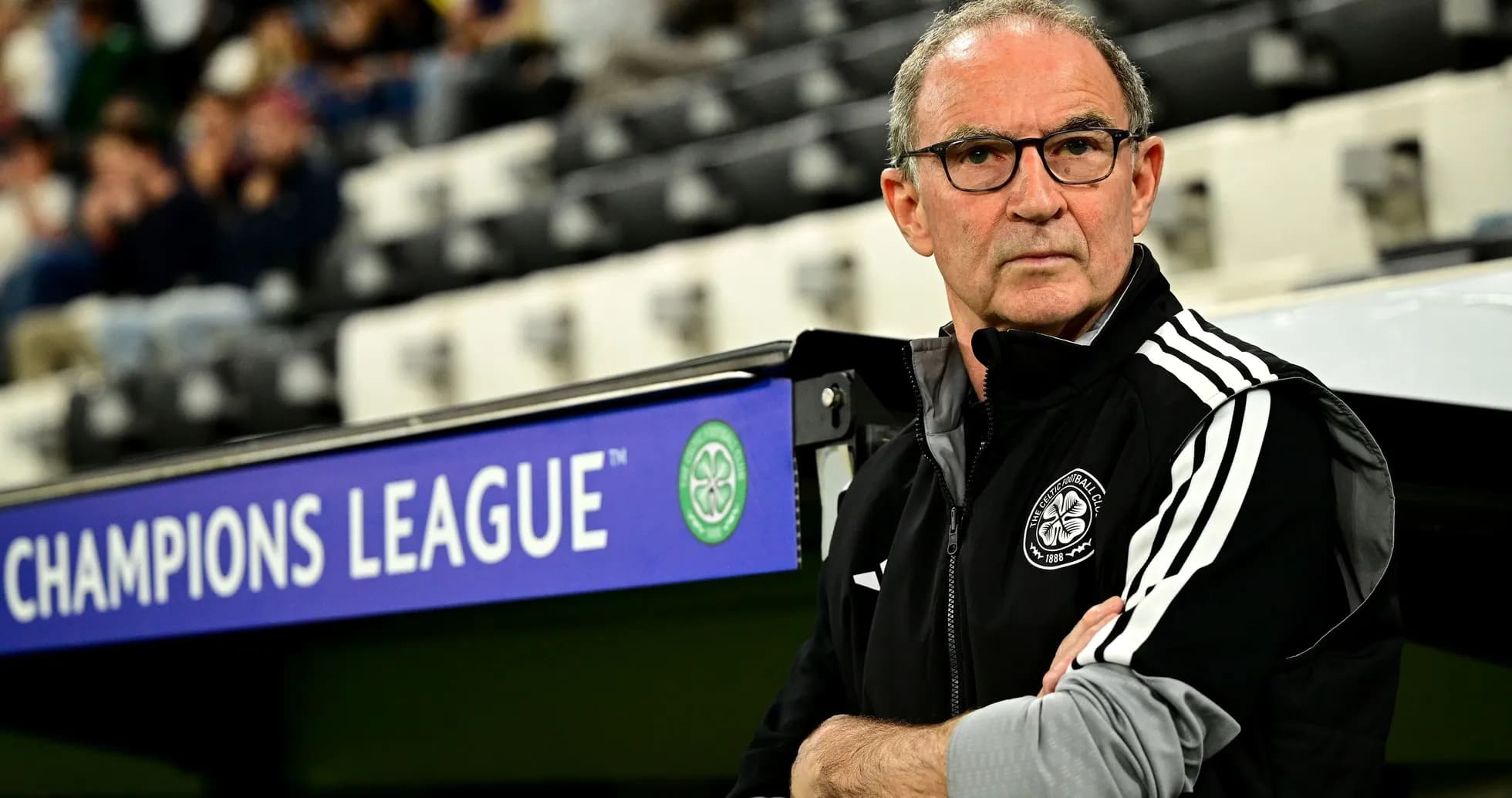
Martin O'Neill did not try to dress it up. Missing out on the Champions League league phase for a second year running is, in his words, a “massive blow” – and one that strikes right at the heart of Celtic’s pulling power in the transfer market.
The defeat to LASK hurt on the night. The consequences will linger far longer.
Champions League dream goes, transfer clout follows
O'Neill laid it out starkly. Celtic, he admitted, are nowhere near the finished product.
“We know we are a million miles away from the finished article; that's absolutely true,” he said. “We thought that anyway, regardless. But we felt that if we qualified for the Champions League, there would be players that would be wanting to come on that very basis. That's not going to be the case. But we'll see.”
The Champions League carrot has gone. So has a powerful argument in negotiations with potential signings. O’Neill knows it, and he didn’t hide from it.
Outplayed and overwhelmed
What made the exit so bruising was not just the result, but the manner of it.
LASK didn’t just edge Celtic. They swarmed them.
The Austrians rained in 40 shots, racking up 4.8 expected goals and carving out 10 big chances over 120 one-sided minutes. Celtic, by contrast, mustered only eight efforts and a thin 0.5 xG. For a club that measures itself against Europe’s elite, those numbers tell a grim story.
O’Neill had praised his team’s display in the previous leg and again acknowledged the quality of the opposition.
“We played brilliantly the other night, brilliantly in the game; they [LASK] were a fine side too, scored some brilliant goals,” he said. “And we came up well and truly short – particularly in the second half.”
That second half collapse, under relentless pressure, is what stung most.
O’Neill takes the hit
There was no attempt to deflect blame onto officials, fatigue or fortune. O’Neill turned the spotlight on himself.
“I'm responsible for this one. Without a doubt,” he said, the words landing with the weight of a man who has been here before and never quite forgotten it.
He reached back to Seville and the 2003 UEFA Cup final, a defeat that took years to digest.
“Naturally, it took me a long time to get over the UEFA Cup final in 2003, but this was majorly disappointing. In the context of things, one was a final which it would have been terrific to win; this was a qualifying game which we should have been able to get through.”
That is the crux. This was not a glorious failure on a showpiece night. This was a tie Celtic expected to survive, a gateway to the stage they believe they belong on – and one they have now failed to reach for a second straight season.
The numbers underline the gulf. The manager’s words underline the urgency. The question now is whether Celtic can rebuild quickly enough without the lure that once did so much of the talking for them.