.svg&w=384&q=75 "GoalGist logo")
Argentina's September Window: A New Era Post-Messi
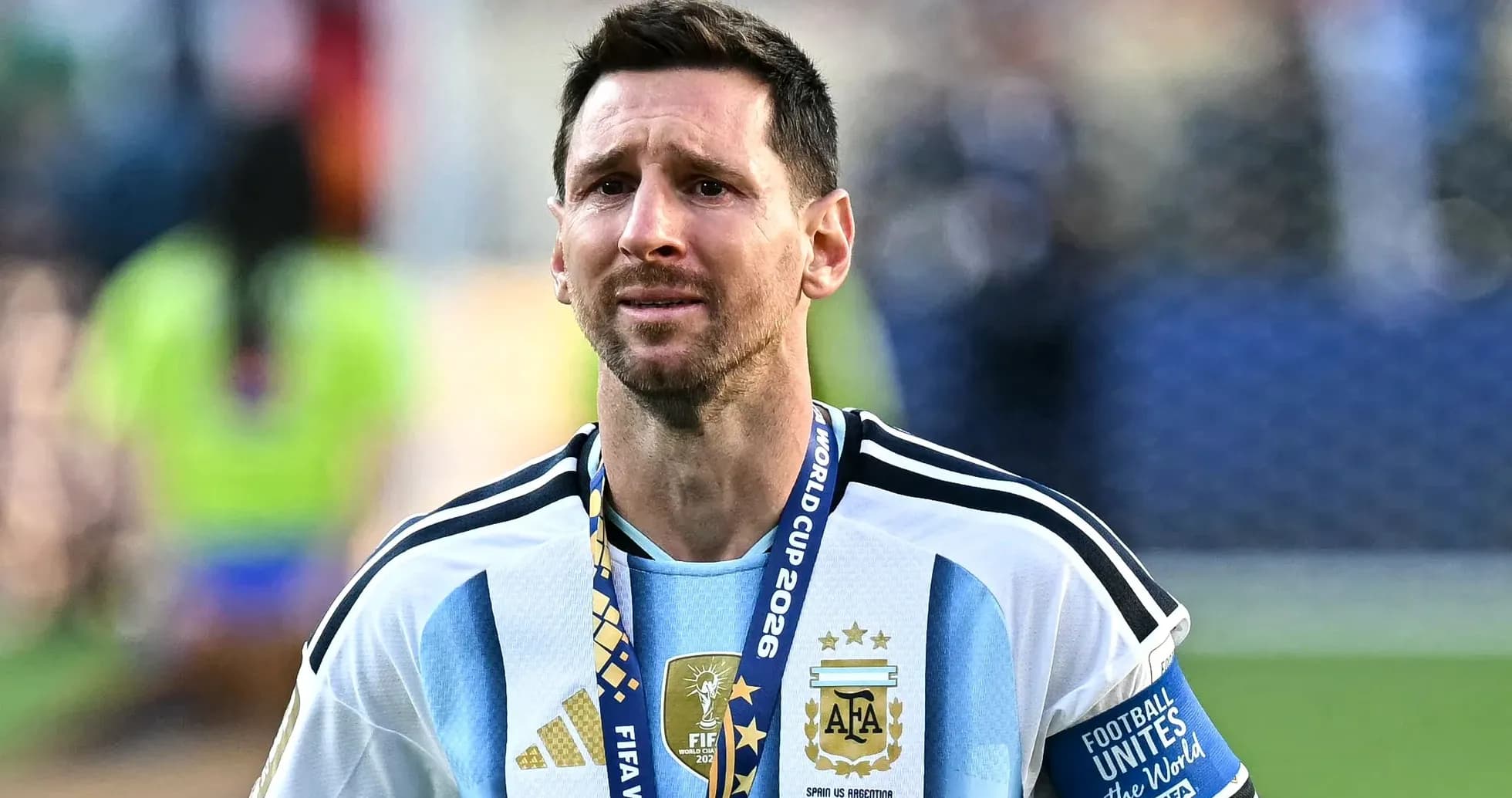
The Argentine Football Association are working on a three-game home stand for the FIFA window between 21 September and 6 October, with El Monumental set to host the opening act of the national team’s first full steps without Lionel Messi.
According to ESPN Argentina, the first match is pencilled in for Buenos Aires against either a South American rival or CONCACAF opposition. After that, the champions are expected to leave the capital. Cordoba and Rosario have emerged as leading candidates to stage the other two fixtures, turning the window into a nationwide homecoming tour.
On Sportscenter’s morning edition, ESPN reporter Diego Monroig underlined how close the plan is to reality. He said Lionel Scaloni’s side are “in a 90 percent chance” of playing the entire window on home soil after original plans to travel abroad fell apart.
Those plans had been built around Messi. His decision to end his international career abruptly killed off an Asian tour that had included a proposed match in China, a game that had been described as “almost confirmed.” With their captain gone, the itinerary has flipped: instead of taking the world champions to Asia, the AFA now look set to bring the world to Argentina.
While friendlies are being stitched together, the bigger picture in South America is being thrashed out in boardrooms. CONMEBOL are in talks with FIFA over how many World Cup places the continent will actually have next cycle and how to treat the three co-hosts.
The key question is simple and loaded at the same time: will the automatic spots granted to Argentina, Uruguay and Paraguay as tournament hosts be taken out of South America’s traditional 5.5 berths, or added on top of them? The answer will shape an entire qualifying campaign.
One thing is already clear from the Argentine side. Regardless of the final format, the Albiceleste have formally asked to play the qualifiers in full, even though they are guaranteed a place as co-hosts. They do not want to sit out the competition that forged them.
That decision feeds directly into the importance of this looming three-game block.
Scaloni now faces the first real tactical rebuild of his reign after July’s 1-0 World Cup final defeat to Spain, a loss that closed one era and exposed the next. The September-October window gives him a controlled laboratory on home soil: three matches, three atmospheres, one country watching closely as a new hierarchy forms without its talisman.
And the schedule will not ease up. Another FIFA window is locked in from 9 to 17 November, adding to what is already a relentless international calendar. For Scaloni and his staff, this stretch is not a luxury; it is the bridge between the Messi years and what comes next.
A new generation will have to grow up fast in front of their own people, before the 2027 calendar arrives and the cycle truly turns.