.svg&w=384&q=75 "GoalGist logo")
Walid Ouahbi Reflects on Morocco's Defeat Against France
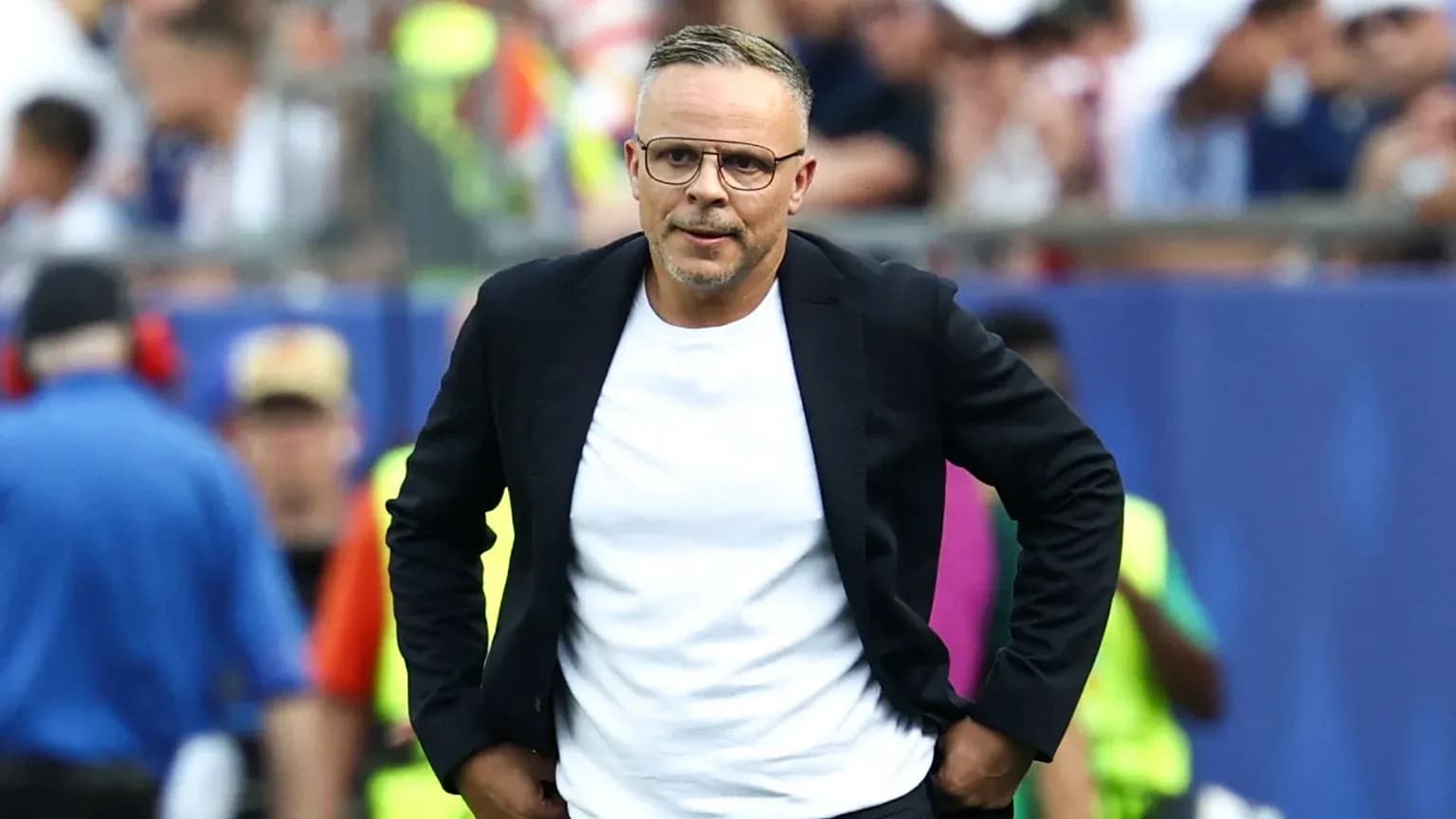
Walid Ouahbi left the pitch with a familiar cocktail of emotions: pride in his players, admiration for the opposition, and a lingering fury at a decision that changed everything.
At the heart of his frustration stood referee Facundo Tello and France’s opening goal. Ouahbi was adamant that the move should never have reached Kylian Mbappé in the first place.
The flashpoint came when Adrien Rabiot appeared to handle the ball in the build-up, a moment that caused several Moroccan players to hesitate. Mbappé did not. He pounced, tore into the space, and buried his finish past a helpless defence and into the Moroccan net.
Speaking to beIN Sports, Ouahbi did not hide his irritation at the sequence.
“The goal came from a bit of a... shared ball, some people stopped because they saw a handball. It was a handball, I don't know if it should have been called or not, I don't know,” he said, underlining the sense of injustice that rippled through his team as France celebrated.
The grievance was real, but Ouahbi refused to let it dominate the story of the night. He turned quickly to the quality of the opponents who had punished that moment’s hesitation.
“We have to admit that we played against a very good team,” the 49-year-old coach admitted. Morocco were stretched, especially before the break, and he did not pretend otherwise. “We suffered a lot in the first half, and Bounou made a great save on the penalty.”
That stop from Yassine Bounou kept Morocco alive when the game threatened to run away from them. It became a turning point of a different kind, one that allowed Ouahbi’s side to reset and rebuild some control.
The reaction came after the interval. Morocco stepped higher, passed with more conviction, and stopped treating every French attack like an emergency. The panic eased. The football improved.
“In the second half, we defended better and, above all, we were more composed with the ball. We were much better,” Ouahbi said. The same players who had looked heavy-legged and short of breath before half-time suddenly found rhythm and belief. “In the first half, it seemed like some players were catching their breath. We saw that these same players started the second half well.”
The final minutes were brutal. Morocco pushed, France resisted, and the physical toll of chasing the game showed. Yet Ouahbi’s message after the whistle was not about fatigue. It was about building something that can withstand nights like this.
“It was tough at the end, but I believe we must continue to believe, to work,” he insisted. The word “continue” became his anchor. No shortcuts, no illusions. Just the hard grind of expanding his options and deepening his squad.
“We must also continue to work on the basics, ensuring that when there are injuries, players who are less fresh, we can have a larger pool of players. We will continue, we will not stop here.”
The disappointment cut deep. This was a game they “wanted more” from, as he put it, a game that might have unfolded differently had that early handball been whistled. But there was no hint of surrender in his voice.
“We are very disappointed, we wanted more, but we have to accept it.”
Acceptance, for Ouahbi, does not mean resignation. It means using a painful night against an elite France side as a reference point. If Morocco can turn this frustration into fuel, this defeat may end up marking a beginning rather than an end.