.svg&w=384&q=75 "GoalGist logo")
Uruguay's World Cup Plans Disrupted by Airport Chaos
On the eve of their World Cup opener, Uruguay’s plans fell apart not on the pitch, but on the tarmac.
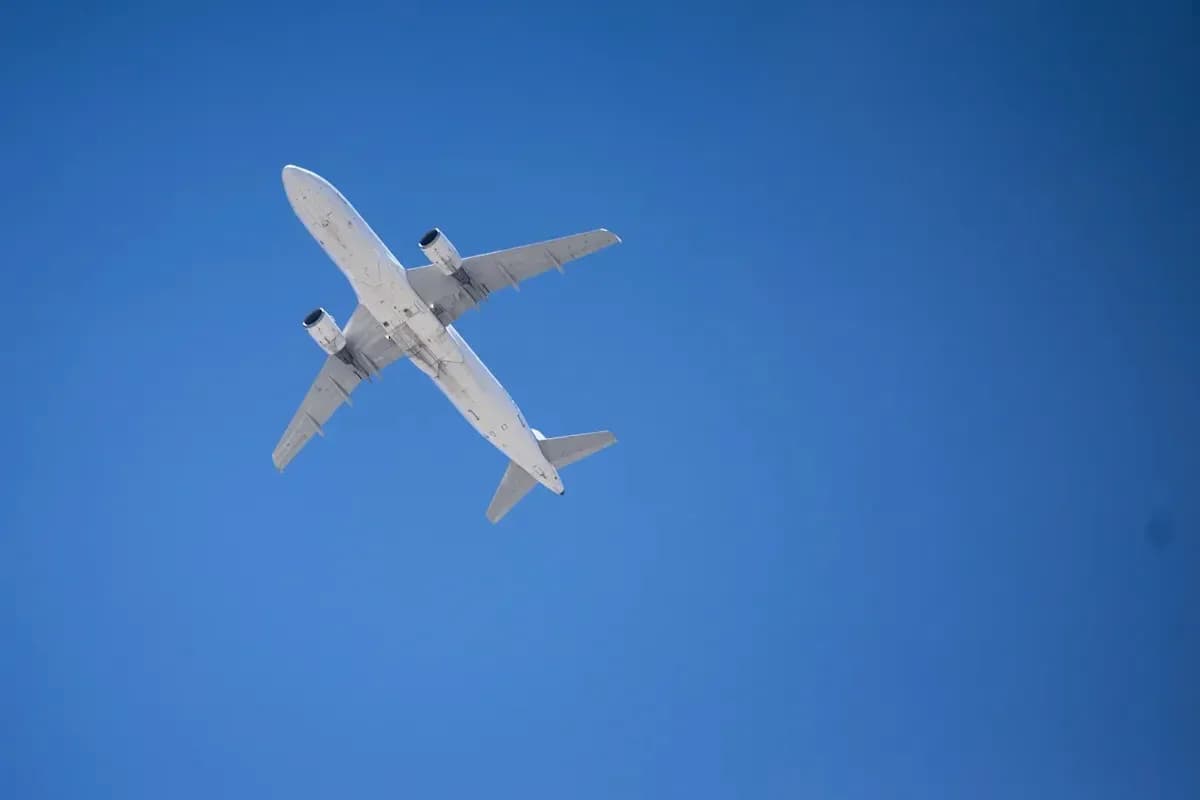
Less than 24 hours before facing Saudi Arabia, La Celeste were still stuck at their base camp in Playa del Carmen, Mexico, watching the clock and waiting for a plane that would not leave. The flight from Cancún to Miami never got off the ground at the scheduled time, blocked by missing documents and a bureaucratic mess that turned routine travel into a full-blown headache.
Reports suggested FIFA had not secured the necessary permits for the overland flight in time, an administrative lapse that triggered a scramble behind the scenes. What should have been a smooth hop into the United States became an unwelcome test of patience and focus.
The Uruguayan Football Association (AUF) confirmed the disruption when contacted by The Guardian. A federation spokesperson pointed to forces outside their control, saying the team’s departure from Mexico had been delayed “due to issues beyond the AUF’s control.” Inside the camp, staff worked for hours to salvage the situation, chasing a replacement flight while players waited and recovery schedules frayed.
FIFA, though, pushed the blame elsewhere. Speaking to ESPN, the organisation made it clear it held the airline responsible, stating that the carrier had apologized for the inconvenience. FIFA stressed it had stayed in close contact with Uruguay’s delegation and, together with the airport and other partners, had tried to resolve the problem as quickly as possible.
Finger-pointing did little to help Marcelo Bielsa’s side. For a team that lives on detail and preparation, the disruption cut straight across their World Cup routine. Media duties suffered as well: the scheduled press conference with Bielsa and captain José María Giménez was canceled, denying both the chance to set the tone publicly before the opener.
Bielsa, typically defiant, played down the drama. He insisted the circumstances “did not cause a problem,” brushing aside the chaos in the way only a coach hardened by decades on the touchline can.
His captain sounded less convinced. Giménez admitted, “We had a few complications and it was difficult.” The defender underlined that the squad had at least managed to make the best of a bad situation, resting and recovering at the hotel while officials wrestled with paperwork and logistics.
Eventually, a flight was arranged and Uruguay did get out, but only after a significant delay and with their carefully plotted build-up already bruised. The question now is simple: when the whistle blows against Saudi Arabia, will this be forgotten turbulence—or the first sign that Uruguay’s World Cup journey has been knocked off course before it even begins?

