.svg&w=384&q=75 "GoalGist logo")
Tillman, Aaronson, Robinson, Pepi: Four Americans at Crossroads in Europe
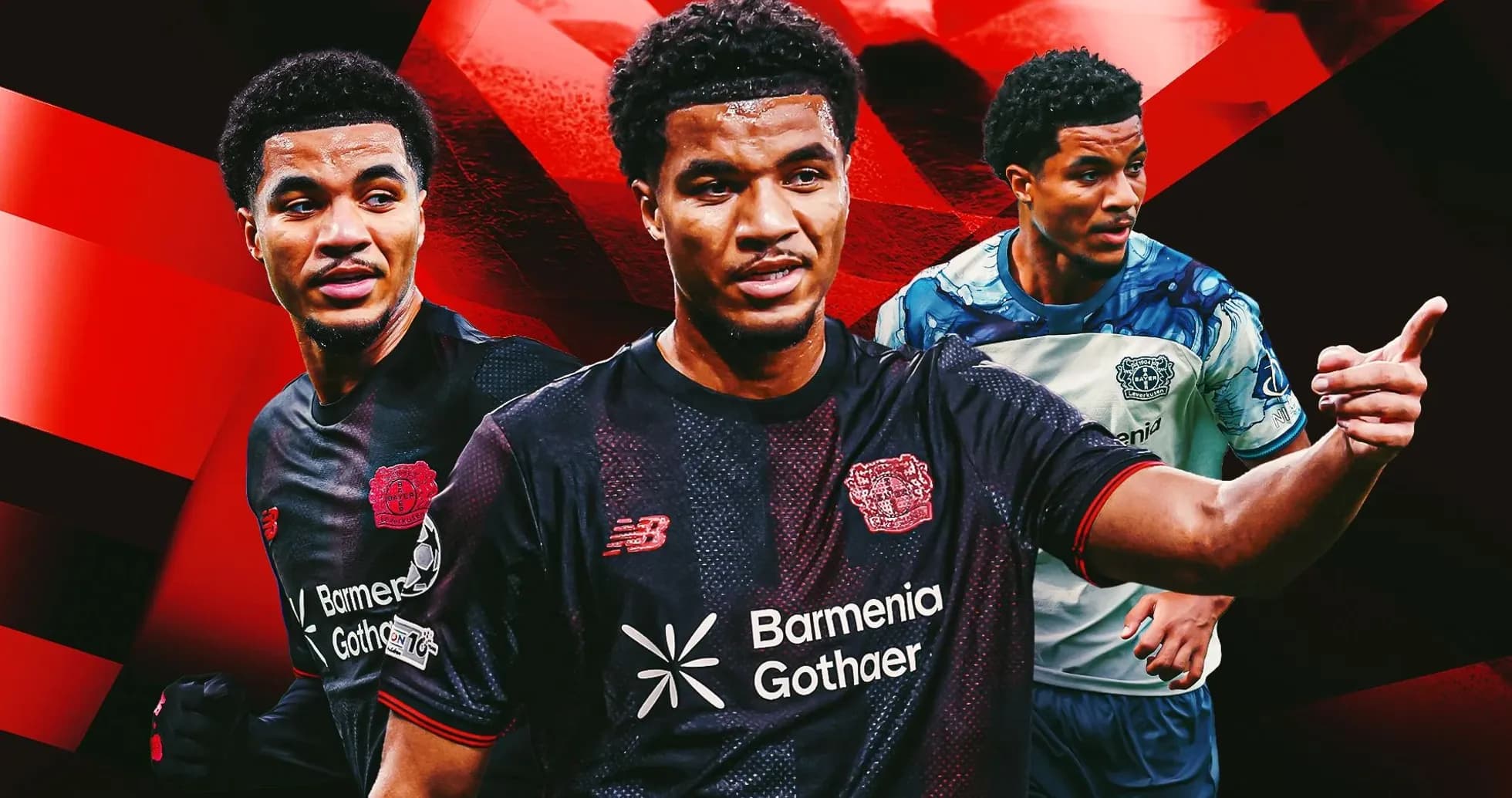
Malik Tillman walked out of the World Cup with his reputation enhanced and his role rewritten. Mauricio Pochettino did what Bayer Leverkusen never quite dared: he dragged Tillman away from the comfort of a drifting No.10 and dropped him into the furnace as a No.8.
Out went the pure playmaker. In came the presser, the carrier, the midfielder who hunted the ball and then drove it forward. The highlight reel still sparkled, of course. Those two outrageous free kicks will live in USMNT folklore for a long time. But the bigger story was the shift in profile: Tillman as engine, not ornament.
Now he returns to a club that barely resembles the one he joined a year ago. Then, Leverkusen were Bundesliga champions, Champions League regulars, still buzzing from prising the title away from Bayern Munich in 2024. Now they’re bruised, coming off a flat season that dumped them into the Europa League and stripped away some of that swagger.
Tillman didn’t escape the malaise. Six goals and one assist across the campaign is a thin return for a player of his talent in a side of that calibre. He drifted rather than dominated.
So this season feels like a reset. Carles Martínez Novell arrives with a reputation for doing more with less at Toulouse, where he spent four years crafting progressive, front-foot football on a budget. He fits the profile of a club trying to climb again, not cling on.
For Tillman, that’s encouraging. Martínez Novell wants the ball moved quickly and bravely through midfield. Tillman can do that as the Pochettino-style No.8, covering ground and breaking lines, or as a more traditional No.10, closer to the final pass and the shot. Either way, there’s a lane for him.
And the first test? Elversberg. Bundesliga newcomers. On paper, the kind of opponent against whom a gifted midfielder can impose himself, shake off last season’s numbers, and start writing a very different story.
Aaronson’s Endless Engine, Lingering Question
Brenden Aaronson remains one of the most intriguing puzzles in American soccer. His work-rate is relentless. He presses, he sprints, he tracks back, he keeps asking for the ball. His playmaking has steadily improved. Yet the raw output still nags at the back of the conversation: 33 goals and 31 assists in 268 league games feels light for someone with his talent and usage.
That’s the tension with Aaronson. You watch him and feel there should be more.
What he does have is trust. Daniel Farke has seen him ride out the turbulence at Leeds, survive the doubts and the dips, and emerge as a player he can build around. This season, Aaronson looks set for something he has chased for years in Europe: a nailed-on starting role in a system that suits him.
His league debut this campaign underlined the point. Leeds beat Nottingham Forest 1-0, and Aaronson, stationed on the left wing, turned in a typically busy performance. No chances created, but seven defensive contributions, 14 sprints, six ball recoveries. The kind of numbers that tell you he never stopped moving, never stopped engaging.
Still, the same question lingers: where’s the cutting edge?
Leeds have tried to address that by bringing in Harry Wilson on the right. Wilson’s left foot and end product should ease some of the creative burden on Aaronson, who is more connector than pure playmaker. But Leeds still need more spark in the final third, especially against a drilled, organised Brentford side on Sunday.
Aaronson will run. He will press. He will help Leeds control territory. The challenge, yet again, is whether he can turn all that effort into decisive moments.
Robinson and Fulham’s Wild New World
Alvaro Arbeloa’s first game in charge of Fulham was chaos, the entertaining kind. The Cottagers lost 3-2 to Chelsea, but they attacked with freedom and flair, leaning into a squad stacked with youthful, creative players.
For a coach who struggled to manage egos and structure at Real Madrid, this might be the perfect environment: a hungry group, fewer superstars, more room to experiment.
Antonee Robinson sits right in the middle of that plan. Arbeloa wants “controlled chaos” around the box and full-backs who don’t just overlap but constantly ask questions. That’s Robinson’s game. His pace, his willingness to surge forward, his ability to slide passes between the lines have always been his calling cards.
Against Chelsea, he showed that side of his repertoire, playing more line-breaking passes than Fulham’s left winger, Cesar Palacios. On the ball, he looked like a key outlet.
Off it, he struggled. Cole Palmer toyed with him for long stretches, turning in a statement performance while Robinson chased shadows. Fulham were fun, but they were also exposed, and their left-back took some of the brunt of it.
He needs a response, particularly defensively. Sunderland offer that chance. The Black Cats are in a strange place of their own: surprise European qualifiers, now facing the reality of balancing domestic fixtures with a draining Europa League schedule. Rotation, tired legs, split focus – they look like a side that can be got at.
For Robinson, this isn’t just about flying forward again. It’s about proving he can lock things down when the game demands it.
Pepi Stuck in Neutral at PSV
Ricardo Pepi arrived at the World Cup expecting to duel Folarin Balogun for the No.9 shirt. He left with no goals, no assists, and about 200 minutes that never quite caught fire. It was supposed to be a breakout tournament. Instead, it felt like a pause.
The months since have been just as uneven. In January, he stood on the brink of a Premier League move. Then came a broken arm. The transfer never materialised. He went back to PSV, kept scoring, and yet the next step in his career refused to present itself.
This summer, the big move again failed to land. On the pitch, though, Pepi has done his job. He has scored in his last two games. In the league, he has two goals from three outings. The production is there. The feeling of treading water is too.
PSV won’t care about the noise around his future. For them, Pepi is central. He is the main man up front, the player tasked with turning possession and territory into points. They have a title to defend, a Champions League campaign looming, and little time to worry about what might have been in England.
Next up is Utrecht at home. Another chance to keep the numbers ticking, to keep the league form humming, to make sure that if and when the next opportunity comes, it’s on his terms, not out of hope.
For Tillman, Aaronson, Robinson and Pepi, the storylines differ, but the stakes are similar. Each of them has a platform. The real question now is who turns it into a launchpad.