.svg&w=384&q=75 "GoalGist logo")
Spain Defeats Uruguay 1-0 as World Cup Hopes Diminish
Uruguay arrived as a proud, battle-scarred World Cup nation. They left the group stage as the highest‑ranked casualty of the tournament, beaten 1-0 by a Spain side that barely had to rise above second gear.
For Marcelo Bielsa and his squad, it was a miserable, messy end.
A camp in open tension
The warning signs had been flashing long before kick-off in Guadalajara. Draws with Cape Verde and Saudi Arabia had already dragged Uruguay to the brink, but it was the noise off the pitch that really told the story.
Reports of a revolt inside the camp, senior figures – among them Real Madrid’s Federico Valverde – clashing with Bielsa over his tactical approach, framed this match less as a final group game and more as the closing act of a slow-burning crisis. The aura of a two-time world champion felt strangely thin.
Across the pitch, Spain carried their own questions. A flat, goalless opener against Cape Verde, then a 4-0 response against Saudi Arabia once Lamine Yamal returned to the starting XI. The teenager’s reintroduction had jolted La Roja into life then. Here, the spark never truly caught.
Even the presence of Spain’s King Felipe in the stands could not elevate what should have been a heavyweight meeting between former world champions. The only such clash in the group stages drifted instead into a tight, scrappy contest low on chances and high on frustration.
Muslera’s nightmare continues
If Uruguay needed calm, experienced hands to steady them, Fernando Muslera could not provide it. A hero of the country’s 2010 run to the semi-finals, the 40-year-old has endured a brutal tournament, and this night simply extended the pain.
He had already been at fault for both Cape Verde goals in the 2-2 draw. Against Spain, he again became the story.
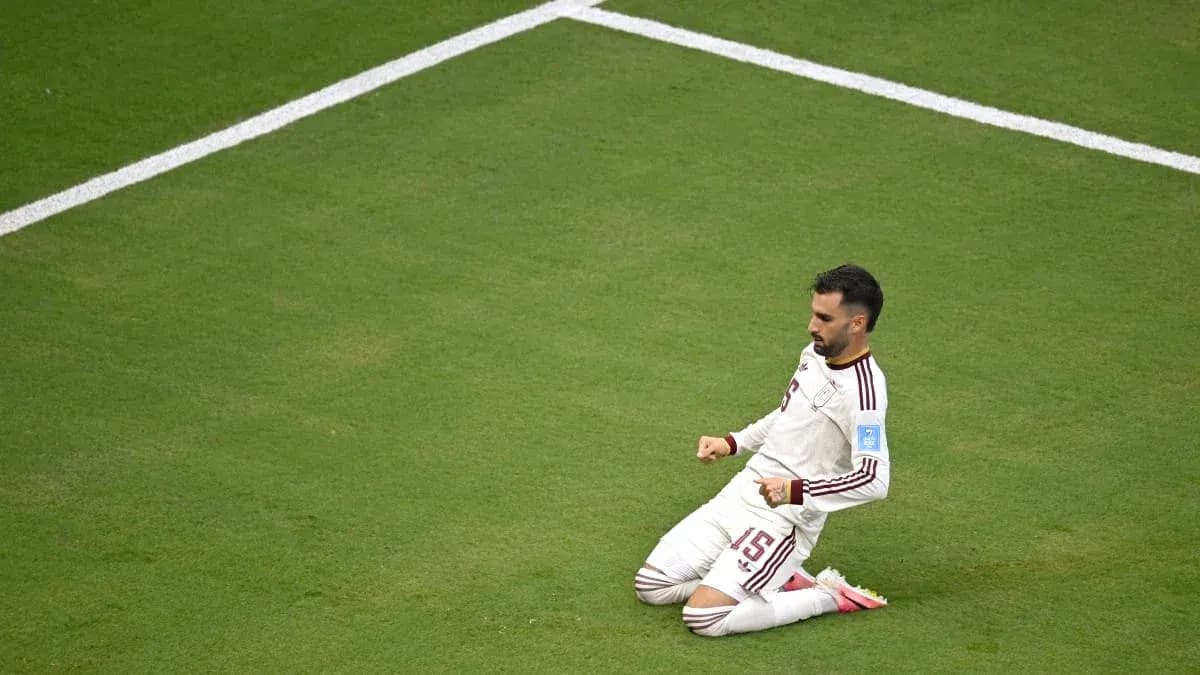
On 42 minutes, with Spain having barely laid a glove on Uruguay, Marcos Llorente swung in a low cross from the right. Baena met it with a tame effort that should have been routine. Instead, Muslera misjudged the bounce, let the ball squirm through, and watched in horror as it dribbled over the line.
One hopeful attack, one soft shot, one decisive mistake.
The goal cut deep enough. What happened seconds earlier made it worse. In the build-up, Manchester United midfielder Manuel Ugarte crumpled to the turf, immediately signalling trouble. He left the pitch on a stretcher, clutching what looked like a serious knee injury. Uruguay lost their holding midfielder and, almost in the same breath, their grip on the match.
Bold calls, few answers
Bielsa reacted at the break, hauling off Muslera for Sergio Rochet. It was a necessary change, but it came too late to rescue the veteran’s tournament.
On the hour, the Uruguay coach went further. Valverde, the team’s emotional and tactical reference point, made way. Given the backdrop of reported disagreements between coach and players, the decision felt like more than a simple tactical tweak. It looked like a line in the sand.
Uruguay, chasing the game and their World Cup survival, never truly convinced. The bite, the chaos, the famous edge – all of it flickered rather than burned.
Spain, for their part, were hardly fluent. Luis de la Fuente’s side moved the ball with their usual care, yet rarely with incision. The laboured tempo played straight into Uruguay’s hands, until the Spanish bench finally shifted the rhythm.
Dani Olmo and Fabian Ruiz came on and, at last, Spain found some urgency. Olmo began to drift between the lines, Ruiz added sharper passing, and the contest tilted further towards La Roja.
Olmo should have killed it. Yamal, in one of his few real flashes of genius on the night, danced free and slipped a perfect ball into his Barcelona team-mate’s path. With the goal gaping, Olmo lifted his shot over the bar. A glaring miss, and a reminder of how fragile Spain’s lead remained.
Yamal managed, Torres wasteful
Yamal’s influence, while sporadic, still defined Spain’s threat. Fresh from the hamstring injury that cut short his club season, his minutes are being tightly managed. De la Fuente stuck to that plan, replacing him 15 minutes from time.
On came Ferran Torres, and the chance to end the contest arrived almost immediately. Clean through with only the goalkeeper to beat, Torres leaned back and crashed his effort off the bar. Another let-off for Uruguay, another sign that Spain’s cutting edge is still some distance from the tournament’s best.
Yet Uruguay could not capitalise. The belief that once carried them through nights like this never truly surfaced.
A red card and a broken campaign
Stoppage time brought a final, grim snapshot of Uruguay’s World Cup. Chasing lost causes, Agustin Canobbio flew into a wild, reckless lunge on Pau Cubarsi. The referee reached straight for red.
No debate. No escape. Just a dismissal that summed up the frustration and lack of control that have marked Uruguay’s short stay at this tournament.
When the whistle went, a two-time world champion walked out of the group stages, bruised, divided and beaten. The highest-ranked side to fall this early, undone as much by internal turmoil and individual errors as by the opposition.
Spain advance, but doubts linger
Spain, on paper, look formidable. Thirty-four competitive matches unbeaten. No goals conceded at this World Cup. A defence that barely flinches.
Yet the numbers do not quite match the feeling. While France, Argentina and the Netherlands have produced stretches of exhilarating attacking football, La Roja continue to grind rather than dazzle. The control is there; the conviction in the final third is not.
Luis de la Fuente moves into the knockout rounds with an impeccable record and a clean sheet streak that any coach would envy. He also carries a nagging question.
Can this Spain, so secure at the back yet still searching for fluency up front, truly summon the attacking edge required to turn an unbeaten run into a second World Cup triumph?

