.svg&w=384&q=75 "GoalGist logo")
Ruben Amorim Defends Milan's Identity Amid Criticism
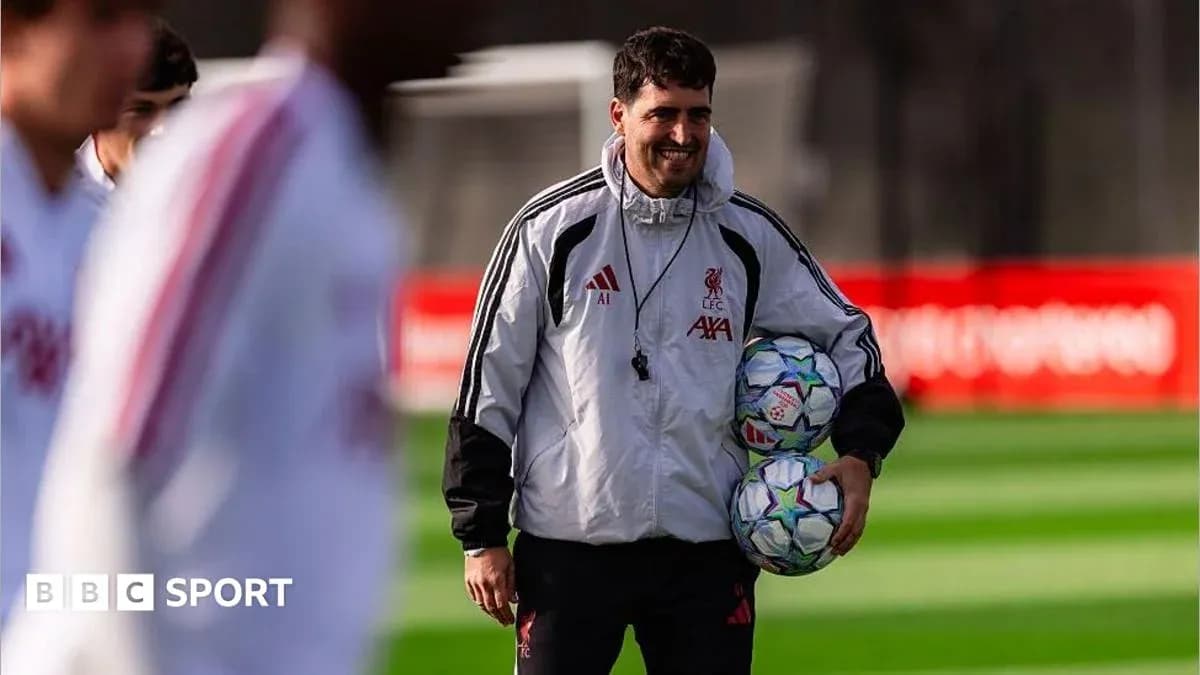
Ruben Amorim shrugs off the noise. The criticism, the debate over style, the murmurs about unhappy stars – he has heard it all before, at a far louder volume.
On the eve of Milan’s trip to Lazio, the Portuguese coach cut a firm, almost defiant figure as he defended his ideas, backed his young star Alphadjo Cissé and acknowledged the frustration of Christian Pulisic.
“More than that, it’s impossible”
Milan are unbeaten: two wins, one draw. Yet the 1-1 against Juventus has sparked a familiar argument around San Siro – results versus spectacle, control versus aggression.
“The last game wasn’t just static; I think we lacked energy,” Amorim admitted. “We controlled the ball quite well, especially in the first half, but then we lacked aggression in the final third and inside the box.”
The coach didn’t spare his own team in the analysis. He highlighted how Juventus created danger from Milan’s own errors.
“I showed the players that a lot of opportunities for Juve came from us losing the ball, sometimes even without pressure. Just a sloppy pass. Those details can change the game and the momentum. We worked on that, and we need to do better.”
The external criticism? Familiar territory.
“Criticism is normal. I already experienced that in my former club [Manchester United]. More than that, it’s impossible,” he said, drawing a clear line under the subject. The pressure in Milan, he knows, will not be gentler – but it will not be new.
Ramos, the system and the accusation of being ‘defensive’
Gonçalo Ramos has already lived both sides of the Milan spotlight. Sharp and decisive against Torino and Venezia, then under scrutiny after a quieter night in Turin.
“I think we need to improve as a team. Ramos did so well against Torino and Venezia that, in a game where he doesn’t have the same performance, you notice it,” Amorim pointed out. For him, the debate is not about one centre-forward but about collective understanding.
“It’s more about the understanding of the game from all the players in the team.”
The label of a defensive coach clearly irritates him. He insists the intention is always front-foot football, even when the game doesn’t look that way.
“Then, what I promise is that the team is always in first place,” he said. “My intention, and what they [Milan] asked me to do, was to be positive and score goals. Sometimes we want to score goals and be positive, but then there’s the opponent, and maybe Spalletti – your Spalletti – is really good and they pushed us back. We had the ball more than Juventus. Sometimes even when I have the ball, the other guy is better than me, but that doesn’t change the intention you have.”
He bristled at the idea that Milan lack identity.
“If you look at our team, we always have an intention; you can’t see anything that is random. Sometimes we want certain patterns that are hard for the players. I understand the pressure. I understand that when you see a guy coming from abroad to say how to play your football, it is really hard, and in the first moment you are just waiting to tell me that in my face.”
The promise, repeated and clear: “The team will always be in first place… My intention is always to be better than the opponent in a certain way. I’ll try. But then you have the opponents; Spalletti was better than me, and that doesn’t change.”
Cissé, the Azzurri and the weight of San Siro
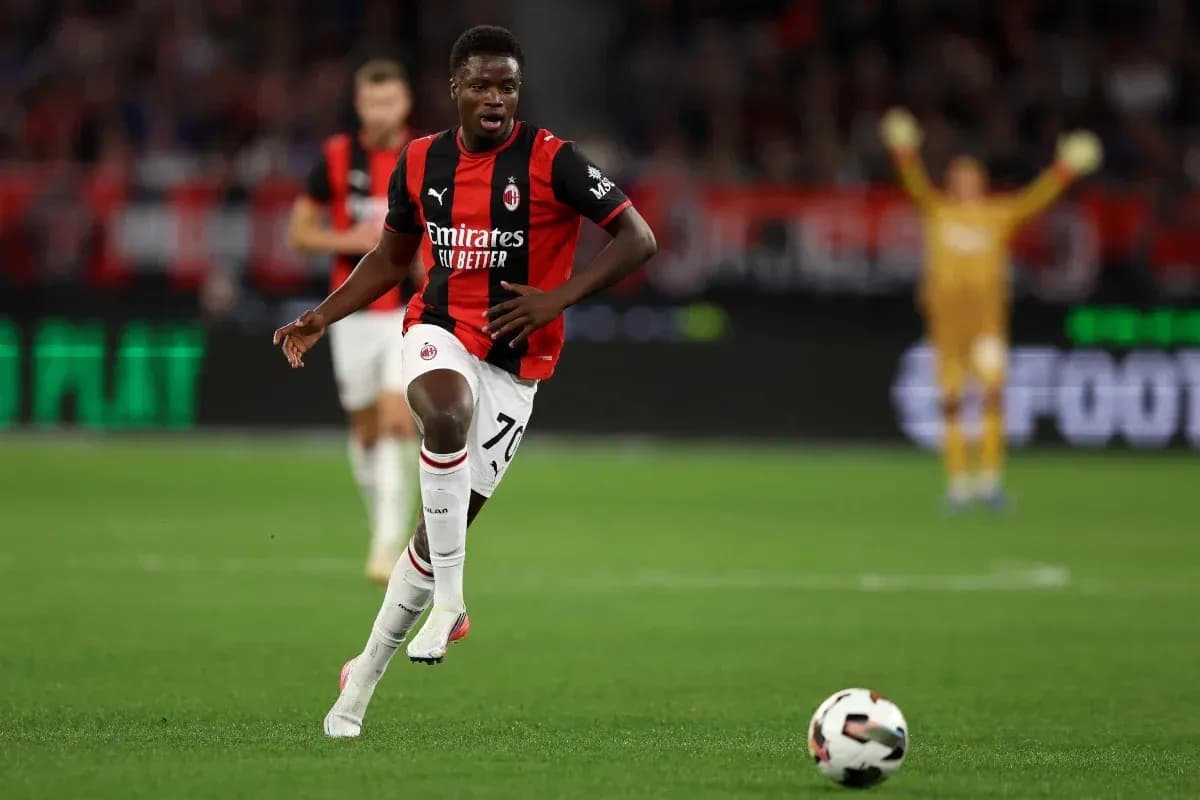
If there is one player embodying Milan’s new era under Amorim, it is Alphadjo Cissé. Two goals in three Serie A games, fearless in big moments, and now on the brink of a first Italy call-up according to reports.
Amorim has no doubts about his mentality.
“If you put Cissé on the pitch, he’s going to play. Doesn’t matter if he’s with the national team, with Bastoni or with these guys,” he said. “He’s going to play, free. For that, he’s ready. But he needs time to grow up.”
Then came the nuance. Cissé might be ready for the Azzurri, but San Siro is its own exam.
“I saw a bit of a difference when he plays away and when he plays at San Siro. San Siro is tough, so he needs to adjust to all these small things. Let’s give time to Cissé.”
The message to Luciano Spalletti and Italy’s staff was almost a reassurance.
“If you put Cissé in training with the national team and playing with the national team, he won’t be shy, and he’s going to have the ball. So he’s ready, but he needs time to be the player he can be. He has a lot to learn.”
Ready, but still raw. Protected, but trusted. For a 20-year-old on the verge of an Italy debut, there are worse positions to be in.
Pulisic’s wait
Christian Pulisic, by contrast, is waiting. The USMNT star has yet to play a minute this season, and Amorim did not hide the player’s mood.
The coach confirmed Pulisic will finally get his first minutes of the 2026-27 campaign, starting with the coming games, but acknowledged the American is “upset” about his lack of playing time across the opening three matches.
For a player of his profile and status, that frustration is inevitable. For Amorim, it is another selection puzzle in a squad full of attacking options – and another delicate dressing-room balance to manage as the season starts to bite.
Como’s example – and Amorim’s refusal to copy
While Milan wrestle with identity questions, Como have become Italy’s early-season European darlings. Cesc Fabregas’ side were the only Serie A club to win in Champions League Round 1, and did it by dominating RB Leipzig.
Are they a model for Milan’s long-term project? The suggestion drew a wry response.
“I think we are different managers, with different backgrounds and work for different clubs,” Amorim replied. “Mister Cardinale has never told me that [Como] is the inspiration, so you need to tell me, as I didn’t know.”
He made it crystal clear: there will be no imitation.
“I have my way of playing; I think it will take time. Every manager needs time. You saw against Torino, the friendly against United, that we are improving. But if you want a team that plays like Como, you need to buy Como’s manager to play the same way.”
Respect, yes. Copying, no.
“I’m completely different; I have my style of play, my identity. Coaching Milan is really hard; coaching Como and doing what they are doing in the Champions League is so hard, and they are doing so well, but I’m not focusing on how Como are playing; I focus on how Milan must play to win games.”
That is the line Amorim keeps coming back to. His Milan, his ideas, his pressure. With Lazio away, Pulisic impatient, Cissé on the brink of the Azzurri and the critics sharpening their pens, we are about to find out how fast this identity can truly take shape.