.svg&w=384&q=75 "GoalGist logo")
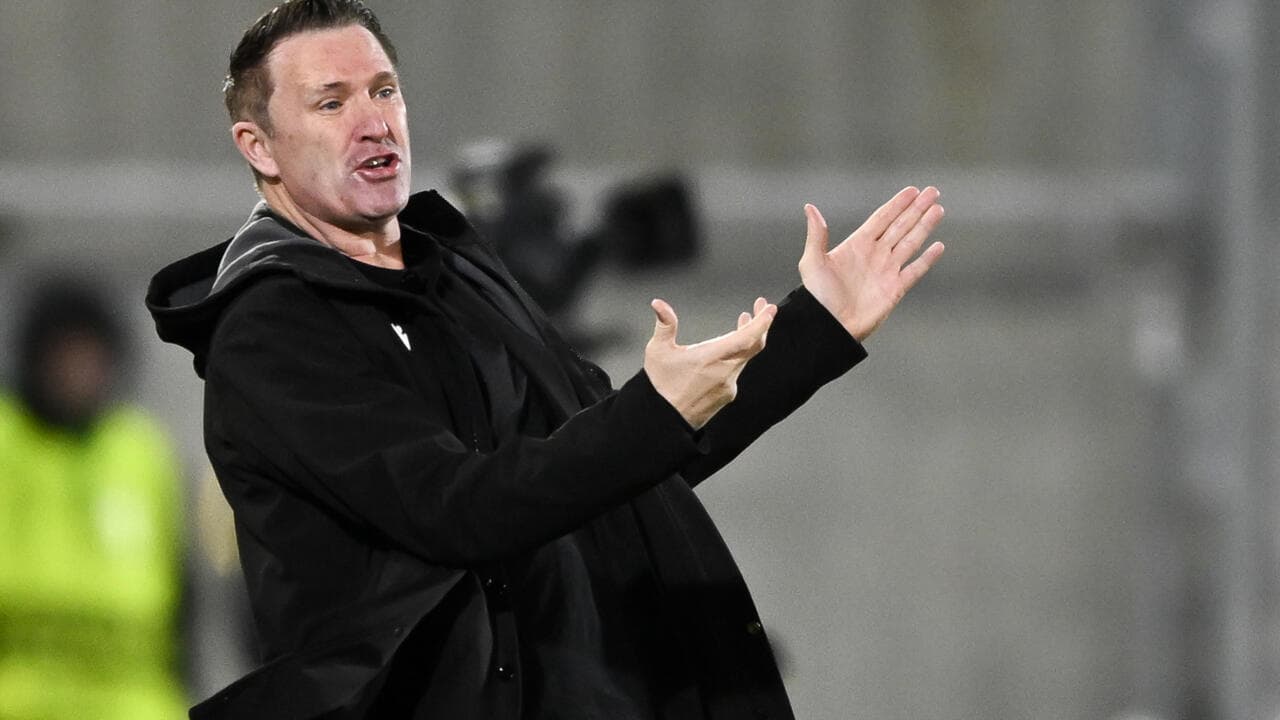
Robbie Keane's Celtic Candidacy Sparks Fan Backlash
Robbie Keane has emerged as the frontrunner to become the next Celtic manager – but a growing section of the club’s support is already making it clear they do not want him anywhere near the job.
The former Republic of Ireland captain, now in talks with Celtic’s principal shareholder Dermot Desmond, carries obvious footballing pedigree and a personal history with the club. In 2010, he arrived on loan and scored freely, instantly embraced by supporters who saw a top-level striker in green and white.
This time, the welcome is very different.
From loan hero to lightning rod
Keane’s decision to remain in Israel as manager of Maccabi Tel Aviv after the war in Gaza began has turned him into a lightning rod for anger among some Celtic fans. While he guided Maccabi to a league and cup double before resigning in 2024, the context of that success has become central to the debate raging in Glasgow.
Celtic supporters have long aligned themselves with the Palestinian cause, with Palestinian flags a regular presence at Celtic Park throughout the conflict. That political and cultural identity now collides directly with the prospect of Keane in the dugout.
Graffiti and banners opposing his potential appointment have appeared outside the stadium. The message is blunt: this is not just a football decision for many inside the support.
Organised opposition gathers pace
A group calling itself “Celtic Fans for the Liberation of Palestine” has issued a strongly worded statement warning that hiring Keane “would be deeply divisive among the support”.
The statement, shared widely on social media, has been endorsed by 67 groups listed by the “North Curve Celtic” account on X, underlining that this is not a fringe protest but an organised, coordinated pushback.
“Celtic supporters have a long and proud history of solidarity with the Palestinian people,” the statement reads. It goes on to say that Keane’s choice to manage Maccabi Tel Aviv “during the genocide in Gaza is impossible to ignore” and calls his decision “unconscionable”.
The group roots its argument in the club’s origins, stressing that Celtic was founded by a community shaped by “genocide, displacement and famine” and that the club’s identity lies in solidarity with those facing injustice and oppression. Their demand to the board is clear: listen to the concerns and “reconsider this appointment”.
Keane’s stance and record in Israel
Keane took charge of Maccabi Tel Aviv in June 2023, several months before the Hamas-led attacks of October 7 and the subsequent bombardment of Gaza. On the pitch, his impact was emphatic. Maccabi completed a domestic double under his watch, a significant achievement in any context.
He chose to stay for the duration of the campaign, later explaining that he felt a responsibility to the staff who had followed him to Israel. “I have a duty of care,” he said, highlighting his analyst as one example – a long-serving Middlesbrough employee who uprooted his life to join Keane at Maccabi. For Keane, walking away mid-crisis would have meant leaving those families behind.
He eventually resigned in 2024 and moved on to Hungarian side Ferencvaros in 2025, continuing to build his coaching résumé in Europe.
Celtic board caught between identity and ambition
Inside Celtic Park, the board now faces a decision that reaches far beyond formations and trophies. On one side stands a decorated former player and international icon, with recent managerial success and a history of scoring goals in Celtic colours. On the other, a vocal and organised section of the support insisting that his time in Israel is incompatible with the club’s values.
Interim manager Martin O’Neill, 74, has just delivered a dramatic Scottish Premiership title on the final day of the season and added the Scottish Cup for good measure. His late-season rescue act has bought the club breathing space on the pitch – but it has also raised expectations about what comes next.
Celtic wanted a strong, decisive appointment to build on that double-winning finish. Instead, they find themselves at the centre of a storm that cuts to the heart of what the club represents.
The question now is not just whether Robbie Keane is the right man to lead Celtic – but whether the board is willing to confront, or defy, a support that insists this choice is about conscience as much as it is about football.

