.svg&w=384&q=75 "GoalGist logo")
Rashford Set for Major Pay Rise Despite Last Season's Absence
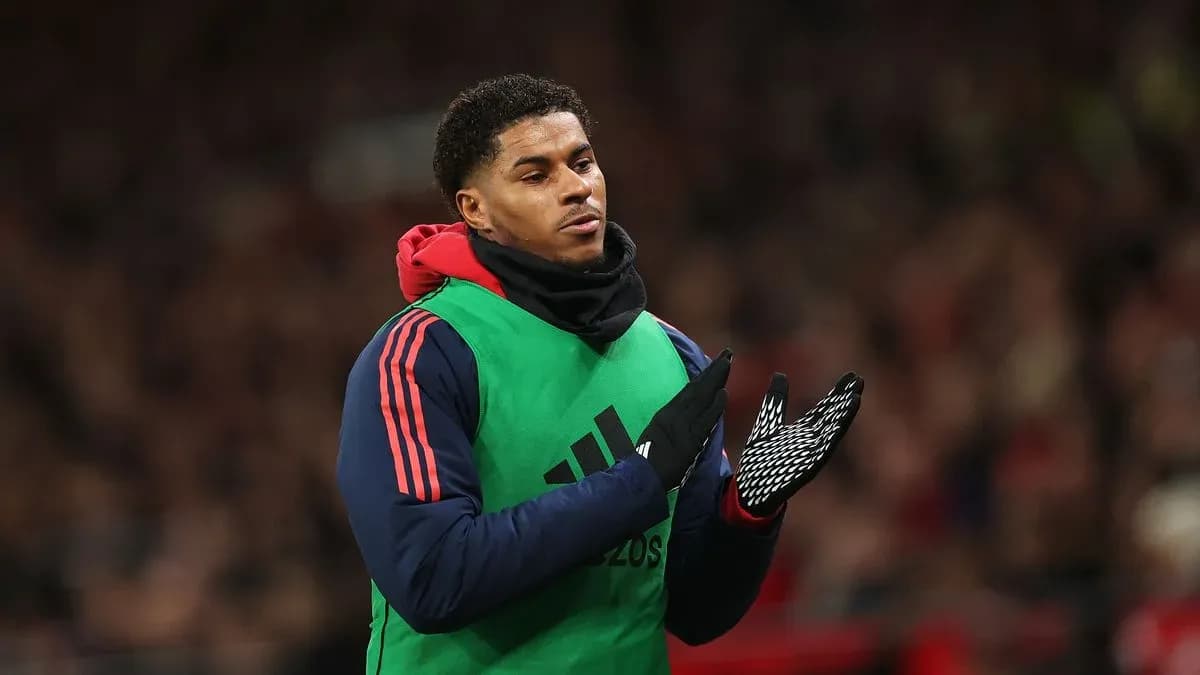
Marcus Rashford is set for a major pay rise without having kicked a ball for Manchester United last season – and it has forced the club into a rethink over how they reward Champions League qualification.
Under United’s previous contract framework, simply reaching Europe’s elite competition triggered automatic wage increases for players, regardless of how much they actually contributed on the pitch. That system is now colliding head‑on with the reality of United’s finances and squad rebuild.
Rashford’s £4m boost without a minute played
Rashford, who did not feature for United last season, is in line to earn around £4million more annually than he would have done had the club missed out on the top four. United’s third-place finish in the Premier League has activated a 25 per cent uplift on his already substantial salary, taking him back above the £300,000‑a‑week mark.
The rise stems from a Champions League clause written into his deal under the old regime. Back then, qualification alone was enough to unlock the bonus. No requirement for minutes. No performance threshold. Just a top‑four finish.
Last season’s absence from the Champions League had brought a pay cut across the squad. Now, with United back at Europe’s top table, wages for certain players have bounced up again – Rashford among the biggest beneficiaries, despite his season being spent elsewhere.
New rules, old contracts
United have since tried to slam the door on that kind of windfall. According to The Telegraph, the club’s updated contract model demands that players must feature in more than 60 per cent of the previous season’s minutes – just over 2,000 minutes – to cash in on a Champions League pay rise.
Under those rules, Rashford would not see a penny of uplift. Nor would Mason Mount, who only managed roughly half that threshold. Yet both men signed their terms before the change came in, so their old clauses still bite.
Mount, who arrived in the same period that Rashford penned his new deal, is understood to cost United an extra seven‑figure sum in wages over the coming season because of the same Champions League trigger. It is a costly hangover from a more generous era.
Andre Onana, another arrival from that summer, also benefits from the clause. His wages are currently being covered by loan club Trabzonspor, sparing United an immediate extra outlay, but his contract still carries the same Champions League uplift mechanism.
Joshua Zirkzee, by contrast, did not meet the 60 per cent minutes mark last season, so his pay packet remains unchanged. Crucially, he was signed before the new rule took effect, highlighting the awkward overlap between old and new systems inside the wage structure.
Transfer plans tangled in wage reality
These legacy clauses are not just lines in a contract; they are shaping United’s market strategy.
Both Rashford and Onana have been made available for permanent moves, yet United have struggled to find buyers willing to match their wages and absorb the bonus‑laden deals. The Champions League uplift only adds another layer of difficulty for any club considering taking them on.
Rashford’s loan spell at Barcelona impressed on the pitch, but the Catalan club ultimately walked away from a permanent transfer on financial grounds. United’s eagerness to move him on was driven in no small part by the size and structure of his contract.
Now, there has been a sharp change of stance. With a permanent exit proving problematic and the market offering few palatable solutions, it increasingly looks as though Rashford will stay at Old Trafford, on Champions League‑level wages that his recent United minutes do not justify.
Summer rebuild under strain
All of this feeds into a tight, unforgiving summer for United’s recruitment team.
The club have managed to pull off smart deals for Youri Tielemans and Andrey Santos, finding value where they could. Yet when the numbers climbed for targets such as Elliot Anderson and Mateus Fernandes, United stepped back. The money was not there at the level required.
The knock‑on effect is clear: the budget for a third midfielder may have evaporated. Instead, attention is drifting towards other areas – a new left-back, a centre‑forward – with the club trying to patch the squad while carrying several heavyweight contracts from a different financial logic.
United once rewarded Champions League qualification with blanket pay rises. Now they are discovering the cost of that generosity, just as they attempt to reshape a squad and reset a culture. The question is no longer whether they can reach Europe’s top stage – it is whether they can afford the players who get them there.