.svg&w=384&q=75 "GoalGist logo")
Police Raid Korea Football Association After World Cup Failure
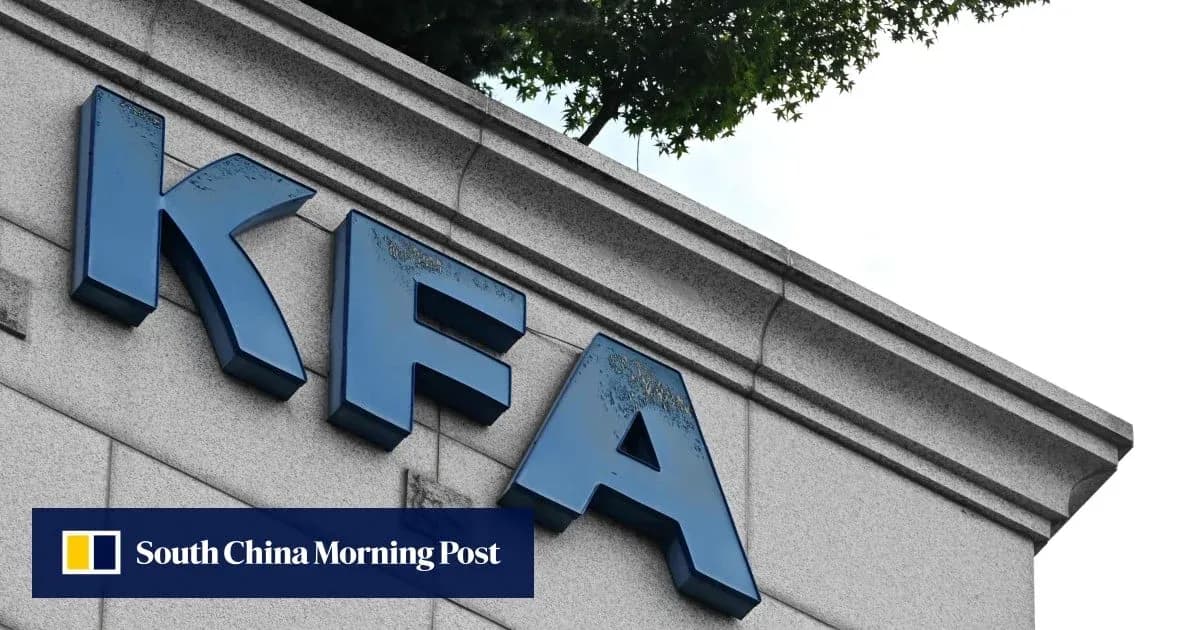
South Korean football’s summer of soul‑searching has taken a dramatic turn, with police raiding the Korea Football Association (KFA) headquarters on Thursday as anger over the country’s World Cup failure spills into a full-blown legal investigation.
Officers from Seoul’s financial crimes unit carried out “search and seizure operations” at the KFA offices, pursuing allegations of “obstruction of business” linked to the appointment of former national team coach Hong Myung-bo, a police spokesman confirmed.
The move drags the country’s most powerful football institution into the spotlight just weeks after a dismal World Cup campaign ended in embarrassment.
From group-stage exit to criminal probe
Hong, 57, resigned in June after South Korea crashed out at the group stage of the expanded 48-team tournament in the United States, Mexico and Canada. The low point came in a shock 1-0 defeat to South Africa, a result that sealed their exit and ignited fury among fans and pundits back home.
The inquest began almost immediately. Why had this coach been chosen? Who pushed his candidacy through? Those questions, already simmering since Hong’s appointment in 2024, have only grown louder since the team failed to reach the last-32 knockout stage.
Now they are no longer just questions for talk shows and opinion columns. They are matters for detectives.
Seoul police said investigators are examining whether any criminal conduct occurred “during the appointment of Hong Myung-bo,” focusing specifically on potential obstruction of business inside the KFA. That legal term typically covers actions that may have distorted or interfered with formal procedures.
Allegations of improper intervention
Local media reports say authorities are probing whether senior KFA officials improperly intervened in the hiring process, potentially breaching the association’s own internal rules to secure Hong’s appointment.
If proven, such interference would cut to the heart of how South Korea’s most important sporting job is filled. Was the selection process transparent? Were established protocols followed? Or did influence and internal maneuvering override due process?
The raid suggests investigators believe there is enough suspicion to seize documents, communications and records from the KFA’s nerve centre. For an organisation already under heavy fire for results on the pitch, the image of police combing through its offices is a brutal symbol of how far trust has eroded.
A football crisis that won’t fade
World Cup exits usually trigger reviews, maybe a coaching change, perhaps a reshuffle in the technical department. In South Korea, this one has gone much deeper.
Hong’s resignation was supposed to draw a line under the campaign. Instead, it has become the starting point for a broader reckoning over governance, transparency and accountability inside the KFA.
The association now faces twin battles: rebuilding a national team that failed to survive the group stage, and convincing a skeptical public that decisions at the top are made by the book, not behind closed doors.
The legal process will take time. The questions it raises about who truly runs South Korean football, and how, will linger far longer.

