.svg&w=384&q=75 "GoalGist logo")
Neymar's Journey Back: Brazil vs Japan in the World Cup
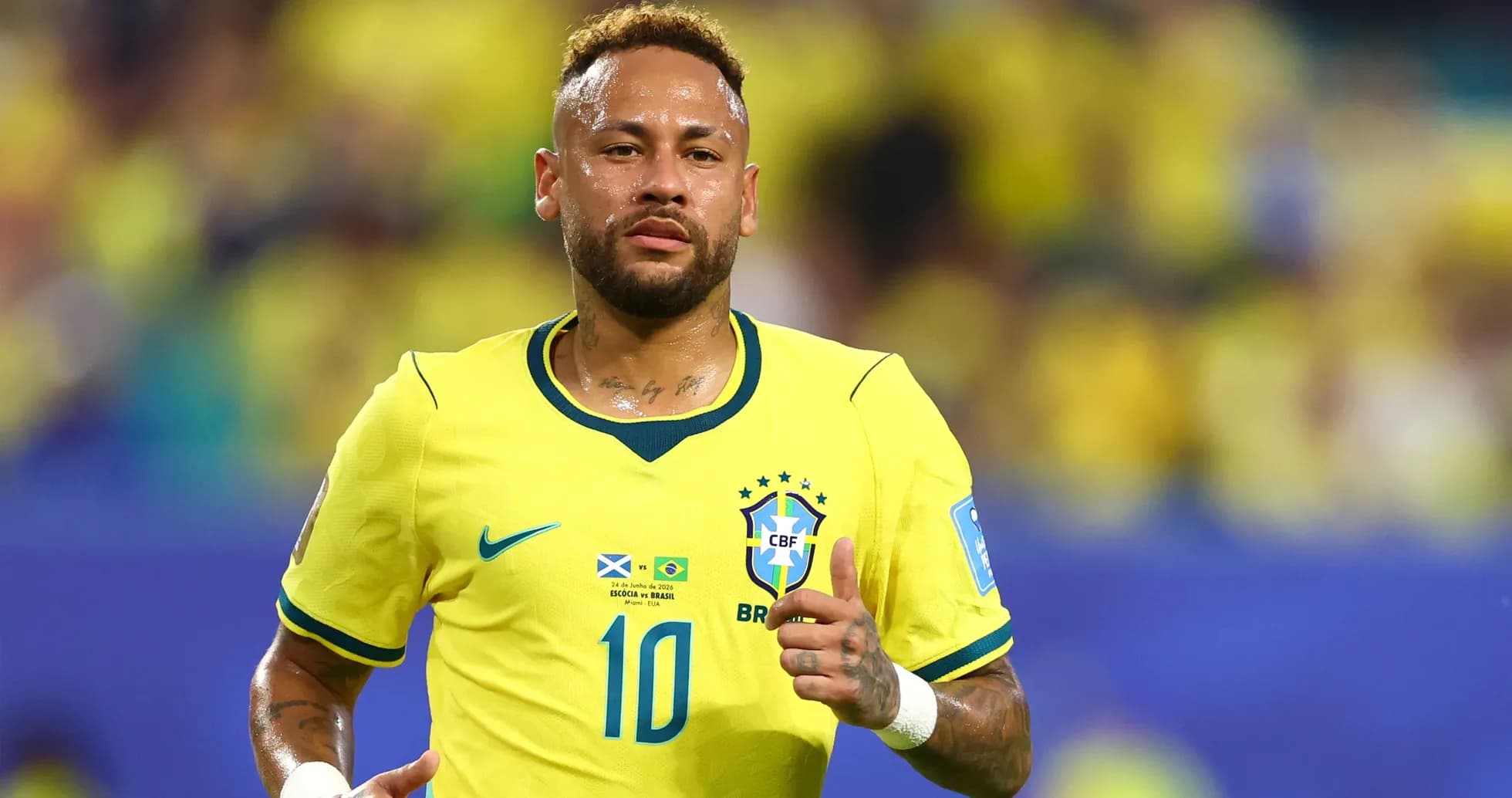
Neymar’s long road back to the World Cup spotlight has felt less like a comeback and more like a battle of attrition. A serious knee injury in October 2023, a nagging calf problem this year, and three years away from the national team had turned Brazil’s No. 10 into a distant memory rather than a constant presence.
Then came Scotland.
His late cameo in Brazil’s final group-stage win didn’t change the result, but it changed the mood. One touch, one dribble, one familiar sway of the hips was enough. A stadium exhaled. A country started to wonder: is he ready to start when the stakes rise?
Ancelotti’s caution against the nation’s impatience
The Brazil coach cut through the emotion with the sort of measured realism that has defined his career. Neymar is back, yes. Neymar is fit enough to help, yes. But Neymar for 90 minutes? Not yet.
“Neymar has progressed very well. I think he improved a lot last week,” Ancelotti told reporters ahead of Monday’s round of 32 clash. “It’s a shame he couldn’t train the whole time he was with us. He can play more than 15 minutes. He’s in good shape. But it depends a lot on the game context and how things develop.”
That last line matters. In a knockout tie, Neymar becomes a weapon to be deployed, not a certainty to be indulged. If Brazil are cruising, Ancelotti can ease him in. If they’re chasing the game, the temptation to unleash him earlier will be enormous.
For a 34-year-old who has spent the last few years fighting his own body, this World Cup may not be about being the protagonist from minute one. It may be about choosing the right moments.
Japan’s warning shot
As Neymar inches back towards the centre of the stage, Japan have quietly been building a compelling case of their own.
The Samurai Blue arrive in the last 32 on a 10-game unbeaten run, and this is not a padded sequence built on soft opposition. It includes a 3-2 victory over Brazil in Tokyo, a statement win at Wembley against England, and a group campaign that underlined their resilience and cutting edge: a 2-2 draw with the Netherlands, a ruthless 4-0 dismantling of Tunisia, and a controlled 1-1 against Sweden.
This is not the Japan of old, content to be plucky underdogs. This is a side that has already shown it can punch with the heavyweights and land clean shots.
The memory of that friendly in Tokyo last October still lingers. Brazil led at the break, looked in control, then watched Japan flip the game in the second half. Ancelotti will not need a long team talk to remind his players what happens when they switch off.
Shiogai stirs the pot, Ancelotti shuts it
Into this mix stepped Kento Shiogai. The 21-year-old Wolfsburg forward has barely featured at this tournament — just six minutes on the pitch — but his pre-match comments have travelled much further than any of his runs in behind.
Shiogai hinted that Brazil might be a declining force in world football, a suggestion that will always hit a nerve in a country that measures itself by World Cups and nothing less.
The potential for a war of words was obvious. Ancelotti refused to take the bait.
“I won’t repeat what others say. We’re focused on the match, on the opponent’s qualities, on preparing well to avoid problems,” he said. “That’s what match preparation is about. We’re not doing what they call in England ‘mind games.’ How do you say it in Portuguese? Mind games. We’re not going there.”
No bulletin-board material. No ego contest. Just a reminder that for Brazil, the real argument happens with the ball.
Favourites, but far from comfortable
On paper, Brazil enter as favourites. The shirt still carries weight. The names still draw attention. But this is not a mismatch. Not against a Japan side that has already cut them open once and shown it can live with the chaos of high-intensity games.
Brazil know the script they’re expected to follow: control possession, stretch the pitch, trust their individual quality to break Japan’s compact lines. Japan know theirs: stay organised, strike with speed, test a defence that has shown it can wobble when pressed and turned.
Somewhere within that tactical chessboard sits Neymar, waiting for his cue.
Ancelotti has made it clear he will not be driven by nostalgia or sentiment. Neymar will play “more than 15 minutes,” but only when the game demands it. For a player used to carrying the weight of a nation, this new role — closer to specialist than saviour — will be a test of patience as much as fitness.
Brazil’s World Cup campaigns are usually defined by their stars. This one, at least for now, might be defined by how carefully they manage the biggest of them. And against a fearless, in-form Japan, they may discover very quickly just how ready Neymar, and Brazil, really are.