.svg&w=384&q=75 "GoalGist logo")
Mikel Arteta Addresses Gabriel Jesus Comments with Gratitude
Mikel Arteta has apparently “torn into” Gabriel Jesus. Depending on which headline you read, the Arsenal manager has “hit back”, “fired back” or been left “shocked” by his former striker’s comments over a “bitter” exit.
The reality? Not exactly a civil war in north London.
Arteta was asked about Jesus’ remarks over his Arsenal departure and, if you believe the build‑up, you’d expect a verbal two‑footer. Instead, the Spaniard offered… gratitude.
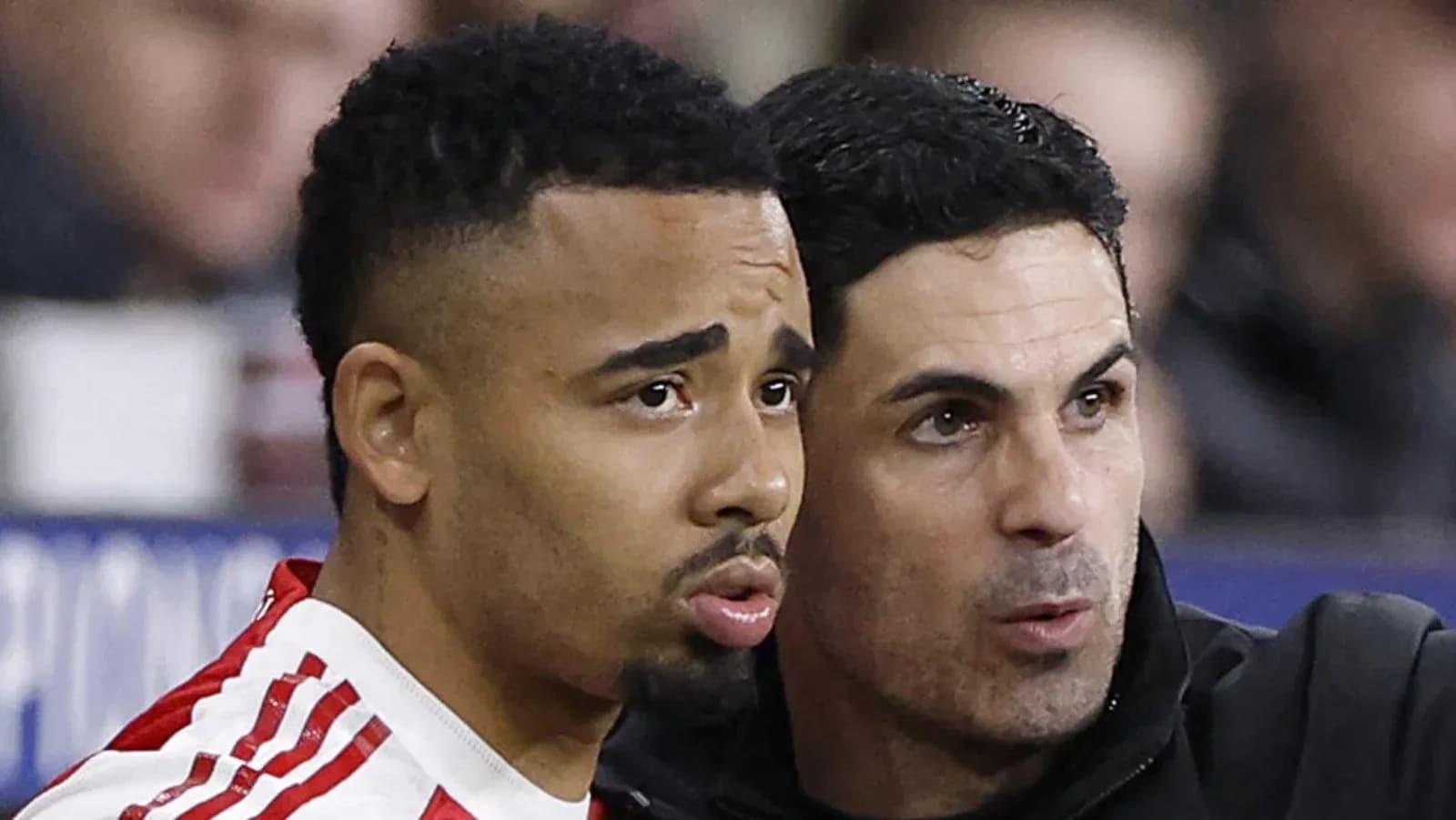
“Very surprised, to be fair, especially because with Gabriel I had an individual talk in the dressing room. I don’t know what the words were said, it’s fine.
“And the words that we used for each other, it was all about gratitude. So, I don’t know, it’s okay. Sometimes I understand when you have to deliver bad news or news that people don’t expect. Those things are reactive. Somebody has to be there to be bad cop. If I have to be, I have to be. And I understand.
“What is important is normally what happens three months later, six months later, when Trossard comes in, he’s in the dressing room with all of us, the atmosphere and the relation you have. And thank God so far, with all the players that they left, at some point their relationship has been really good. I hope that’s the same case.”
That’s the “blast”. That’s the “row”. A manager talking about difficult conversations, accepting the role of bad cop, and stressing long‑term relationships and respect.
Arteta didn’t swing at Jesus. He cushioned the ball, took a touch and played the safe pass.
This comes hot on the heels of noise around Gabriel Martinelli’s situation, where Arsenal’s “unhappy” players were said to be on the brink of revolt over a team‑mate being left out before a lucrative move. Again, the language around the club has been dialled up to crisis levels. Again, the substance is far more mundane: selection decisions, bruised egos, and a manager fronting up.
Arteta’s comments on Jesus were framed as a counter‑attack. In reality, he leaned on “gratitude”, “understanding” and the hope that, as with other departures, time will soften any sharp edges. He even pointed to how Leandro Trossard settled into the dressing room, how the atmosphere has remained intact when others have left.
If that’s a dressing‑room killer, then Arsenal’s problems are wildly overstated.
The Spaniard knows he has to deliver bad news. He also knows those moments get weaponised once a player walks out of the door. But on the evidence of his own words, the only thing he “hit back” with was diplomacy – and a reminder that, at elite clubs, someone always ends up being the bad cop.