.svg&w=384&q=75 "GoalGist logo")
Michael Olise Reflects on World Cup Disappointment and Future Ambitions
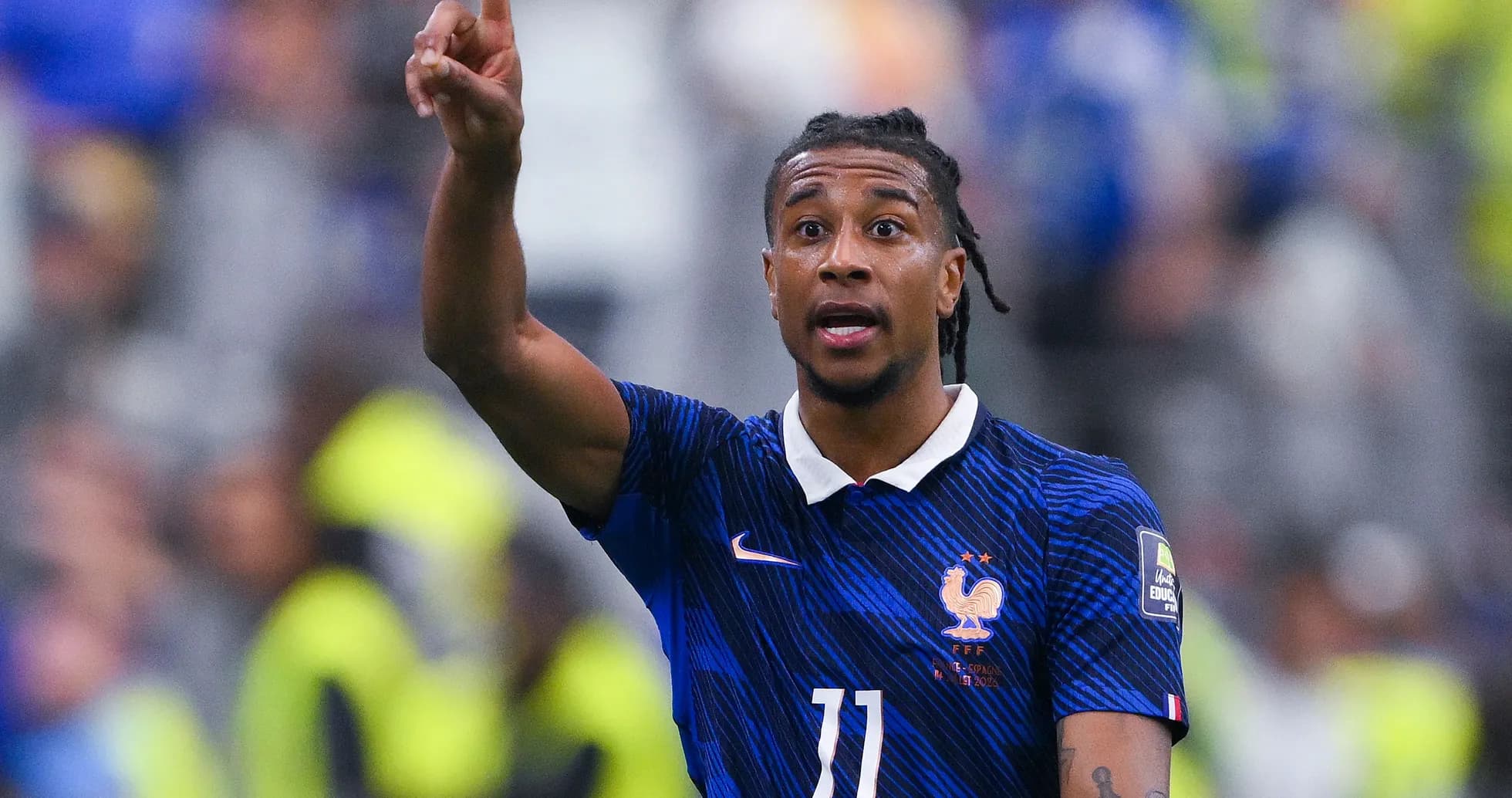
Michael Olise did not hide behind platitudes or polished press releases. He opened his phone, went to Instagram, and let the raw feeling spill out.
The 24-year-old, who had arrived at this World Cup as one of France’s brightest creative forces, admitted the pain cuts deep after Les Bleus fell short of the trophy in the final stretch of the tournament. The dream had been clear, almost scripted in his mind. It ended instead with a hollow sense of what might have been.
“Not being able to take the trophy home is a huge disappointment. This is not how we had imagined the end of this World Cup at the beginning of the tournament,” he wrote, summing up the mood of a squad that had carried the weight of expectation from the first whistle.
For Olise, the stage itself still meant something. Wearing the French shirt at a World Cup was never guaranteed, never a given. It was the childhood vision finally realised.
“Wearing the French national team jersey at a World Cup has always been a dream come true for me – and it always will be,” he posted, drawing a line between the boy who watched tournaments on television and the man who helped shape one.
He leaves this World Cup with a personal milestone that would headline any other campaign: the record for the most assists in the history of a World Cup. It is a staggering benchmark, a statistic that underlines just how central he was to France’s attacking rhythm.
“Even though we couldn't win the trophy, I'm proud to have set the record for the most assists in the history of a World Cup,” he added. Pride in performance, framed against the ache of collective failure.
Yet his message made one thing clear: he would trade that record in a heartbeat for a winner’s medal.
“Above all, I would much rather be here to say that we won the World Cup together – with my teammates, the staff, the coaches and all the fans of the French national team.”
That sense of togetherness ran through every line. This was not a player retreating into individual achievements, but one anchoring himself to the group that carried him and that he, in turn, helped carry.
Olise also used the moment to turn back to the man who handed him this stage. His tribute to former national coach Didier Deschamps was pointed, respectful, and personal. Deschamps, who has long been a lightning rod for debate around style and selection, remains for many the architect of modern French success. For Olise, he is also the coach who trusted him when it mattered.
“I would also like to thank the national coach for first including me in the squad and for believing in me even in the most difficult moments. I will always be grateful to you and wish you all the best, whatever path you choose next.”
It read like a farewell and a handshake, an acknowledgement of a chapter that may be closing for Deschamps while another opens for a younger core of players.
Olise’s final words shifted back towards the future. The disappointment is real, but so is the resolve. This World Cup is not the end of anything for him; it is the beginning of a chase that now has extra edge.
“This remains the goal that will continue to drive us, and we hope that we can give you many more moments of joy and unforgettable memories in the future that you can share with us.”
The World Cup slipped away. The ambition did not.