.svg&w=384&q=75 "GoalGist logo")
Martin O’Neill Returns as Celtic Manager
Martin O’Neill is poised to complete one of the more remarkable returns in modern Scottish football, with Celtic expected to confirm the 74-year-old as permanent manager after he agreed a one-year deal to stay in Glasgow.
The contract carries an option for a second season. For a club that has spent most of this campaign lurching between uncertainty and agitation, O’Neill’s decision lands like a deep breath.
A familiar saviour, again
He has already done the hard part. Twice.
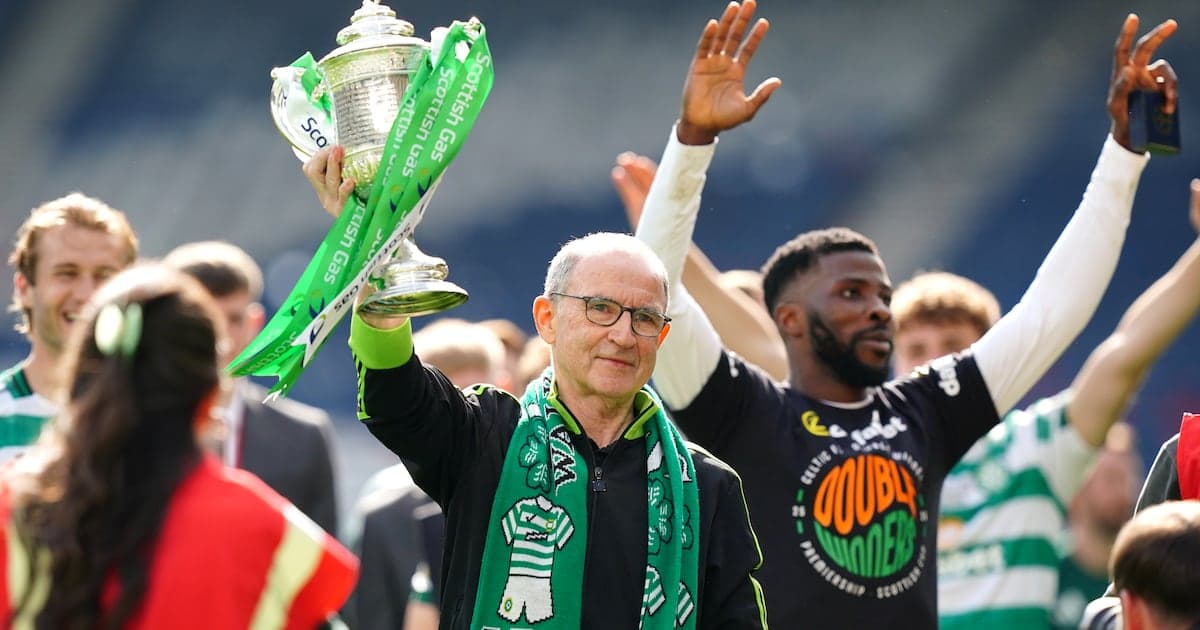
O’Neill stepped back into the technical area on an interim basis after Brendan Rodgers resigned last October, steadying a listing side and ultimately dragging them over the line to retain the Premiership title. Earlier in the season he had already answered one emergency call, and by the time Celtic lifted the Scottish Cup against Dunfermline, he had delivered a domestic double from a position that was never supposed to be permanent.
After that Hampden win, he asked for time. Time to think, to weigh up whether one more full tilt at this job was worth the emotional and physical cost. Inside Celtic Park, though, there was little doubt. The sense throughout the corridors of power was that the Northern Irishman, competitive to his core, would not walk away lightly.
He hasn’t.
Keane talks, Keane backlash
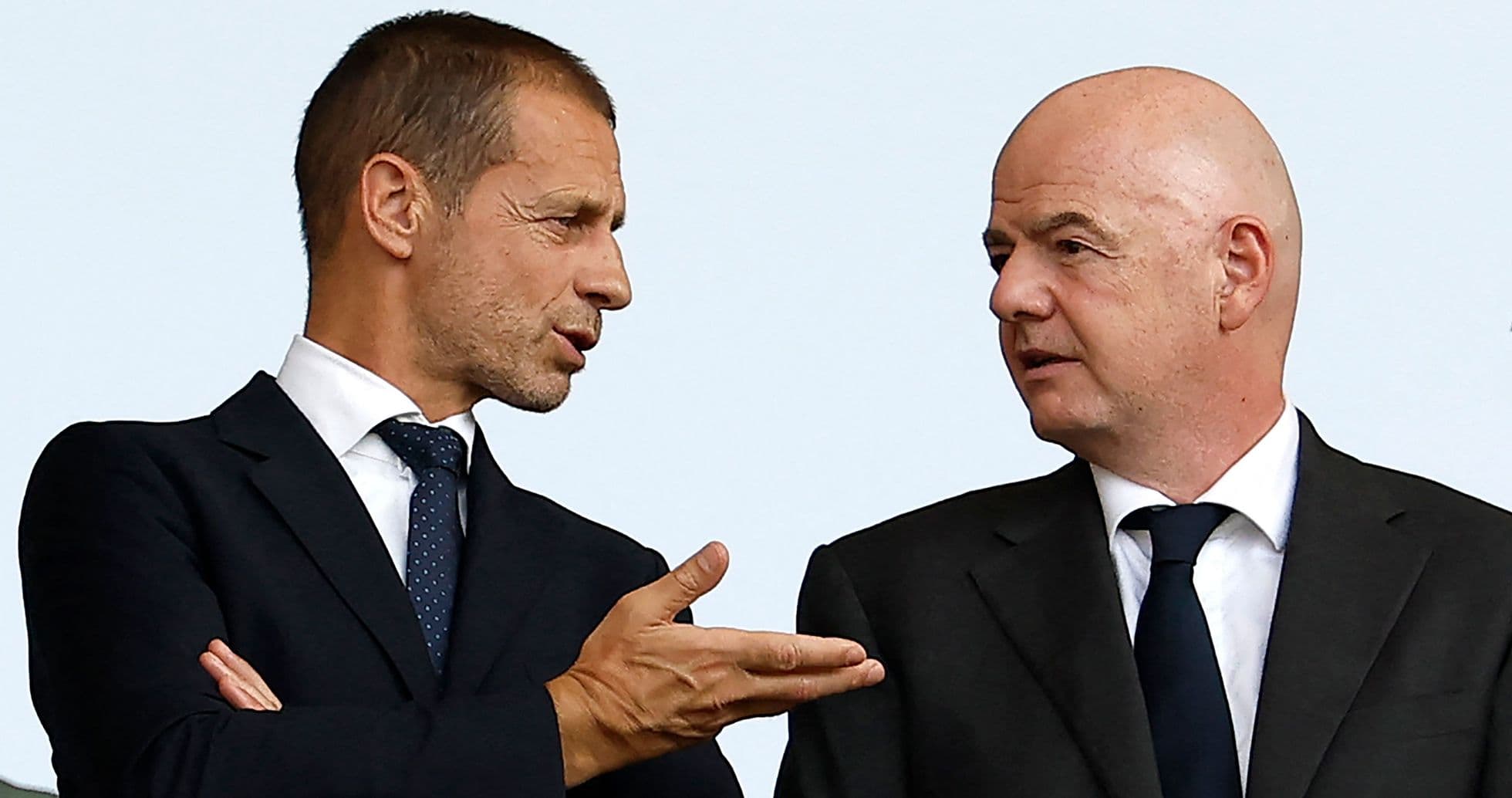
The path to O’Neill’s appointment was anything but smooth. Celtic’s hierarchy, led by principal shareholder Dermot Desmond, seriously explored a different direction, holding talks this week with Robbie Keane.
Keane, a former Celtic favourite as a player, had been high on the list of potential successors and met Desmond to discuss the job. On paper, it offered a neat narrative: a popular ex-striker, relatively young in managerial terms, stepping into the hot seat.
The reaction among sections of the support was anything but neat.
A vocal element of the Celtic fanbase railed against the idea, angered by Keane’s managerial spell in Israel with Maccabi Tel Aviv and his subsequent move to Ferencvaros in Hungary, where he resigned at the end of May. The noise grew quickly. So did the hostility. For a board already wary of missteps after a turbulent season, that backlash mattered.
As the Keane option frayed, O’Neill’s candidacy hardened into inevitability.
Desmond’s long game
For Desmond, this is a story with a long arc. It is 26 years since he first persuaded O’Neill to leave Leicester City for Glasgow, a move that altered Celtic’s modern history.
That first spell remains the gold standard. Three Scottish titles. Three Scottish Cups. Two Scottish League Cups. A team that strode through domestic football and carried itself with conviction in Europe, reaching the 2003 Uefa Cup final in Seville before losing to José Mourinho’s Porto.
Those memories still shape expectations. They also shape trust. When Desmond needs stability, he knows exactly who can deliver it.
Chaos, then clarity
The chaos that followed Rodgers’s departure underlined that need. O’Neill initially came in as a short-term firefighter, only to be replaced by Wilfried Nancy. The Frenchman’s tenure unravelled almost immediately, lasting just eight games and leaving Celtic exposed at a crucial stage of the season.
The club turned back to O’Neill. He walked into a dressing room short on confidence, under a support short on patience, and still found a way to retain the Premiership crown and add the Scottish Cup for good measure.
That double, delivered from an interim role, shifted the mood. The question stopped being whether he could still do it. The question became how long he was prepared to keep doing it.
Now Celtic have their answer, at least for another year. A familiar figure, a familiar authority, and once again, a familiar responsibility: keep the trophies coming, and keep the noise outside the gates.