.svg&w=384&q=75 "GoalGist logo")
Maresca Returns to Manchester City: A Tough Act to Follow
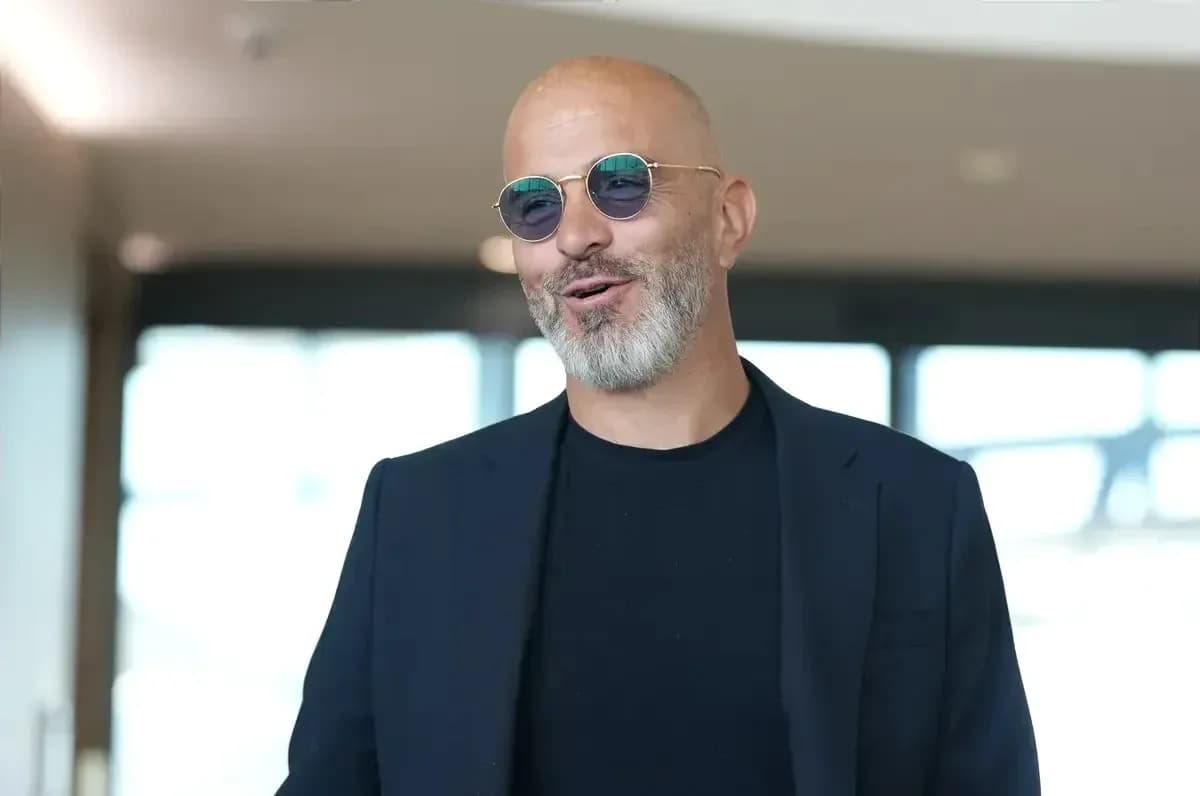
Enzo Maresca walked into his first press conference as Manchester City head coach and made one thing clear: this doesn’t feel like a new job. It feels like a return.
“I feel back home,” he said, describing his comeback to the Etihad Stadium as “a privilege”. The words were simple, but the context is anything but. He is the man stepping into Pep Guardiola’s chair.
Maresca, 46, arrives after the formalities of a compensation agreement with Chelsea, where he most recently worked, and with a deep history already woven into City’s recent past. He managed the club’s Elite Development Squad. He sat alongside Guardiola as an assistant during the 2022-23 treble-winning season. He knows the corridors, the faces, the demands.
Now he owns the pressure.
Succeeding “the best coach in the world”
Replacing Guardiola is not just another managerial handover. It is one of the most consequential successions English football has seen since Sir Alex Ferguson left Manchester United or Arsène Wenger departed Arsenal. Maresca did not try to downplay that.
“I consider Pep the best coach in the world in the last 20, 25 years,” he said. No caveats. No softening.
He called it “a challenge” and “a privilege” in the same breath, fully aware of the weight of the role. He also pointed to the historical pattern that follows long-serving giants.
“Also, the history of managers with many years in the same club, after always you struggle a little – Sir Alex, Arsene,” he noted. The implication is obvious: there is usually turbulence after an era like Guardiola’s.
Maresca is not pretending the task is normal. He is choosing to embrace it.
A club built on stability
What gives him confidence is not bravado. It is structure.
“This club, this organisation, has had three managers in 17 years. This is not normal. It doesn’t happen often,” he said.
He namechecked the lineage: Roberto Mancini, Manuel Pellegrini and then Guardiola for a decade. Three managers, one clear line of evolution, and more than a decade of relentless success.
“This probably is one of the things that I’m confident we can do a great job,” Maresca added, pointing to the continuity of work “in the last 14 or 15 years”.
That stability is not a statistic for him. It is a safety net and a springboard. City do not rip up their identity every few seasons. They refine it. That is the environment he is walking back into.
Back at work with a reduced cast
On the training pitch, the new era has begun quietly. With many first-team regulars away following the FIFA World Cup in North America, Maresca has started pre-season with a trimmed group: a handful of senior City players, loan returnees, and academy prospects.
For a coach who made his name developing young talent and working inside City’s system, this is familiar territory. It is also a useful soft landing. He can re-establish his ideas in a setting that is intense but not yet full glare.
The bigger names will return. The scrutiny will rise. For now, the work is detailed, internal, and very much in his comfort zone.
Understanding the culture, not just the tactics
Inside City’s hierarchy, that cultural fit mattered as much as his tactical profile. The club wanted a manager who already understood how the organisation breathes, who knew its standards and believed he could add to them rather than rewrite them.
Maresca fits that description. His emotional connection to the club is not a line for the cameras; his coaching journey was shaped on these pitches, in these meeting rooms.
That connection will follow him into every training drill, every press conference, every tactical call on a tight league run-in or a Champions League night. It gives him authority in the dressing room and credibility upstairs.
He is not Guardiola. He is not trying to be. But he is the continuity candidate with his own edge.
The question now is simple and brutal: in a club built to win every season, how quickly can he turn that sense of coming “back home” into the next chapter of a dynasty that refuses to slow down?

