.svg&w=384&q=75 "GoalGist logo")
Liverpool’s Transfer Strategy: Understanding the Bobby Clark Deal
Liverpool’s accountants will tell you it’s just a line on a balance sheet. The headline writers know better. A “clever transfer trick”. A “significant sum”. The kind of language that makes a routine sell‑on clause sound like a masterstroke of market manipulation.
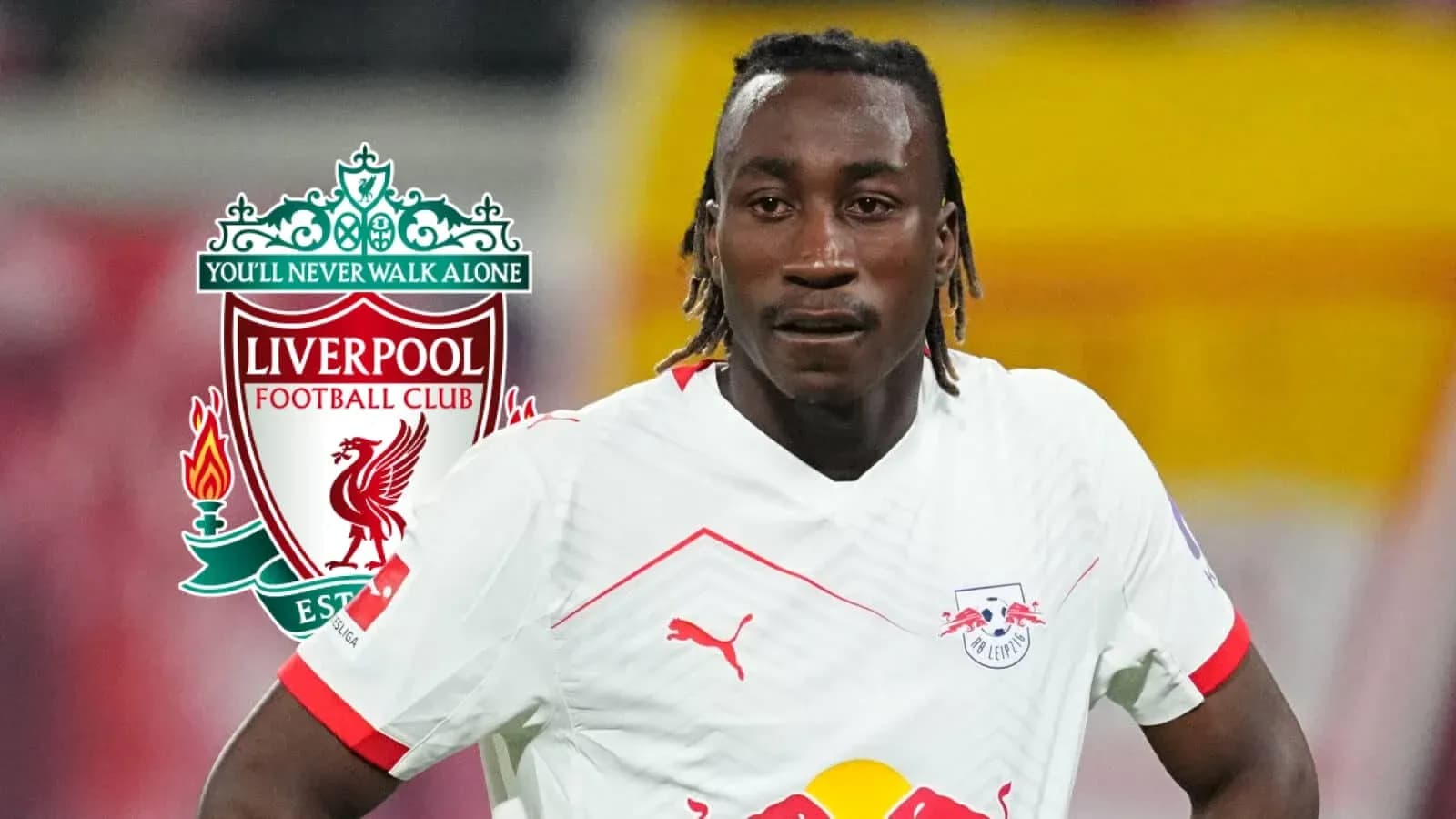
Strip it back and the story is simple enough. Bobby Clark, once a Liverpool prospect, is heading to Derby in a £6m deal. Built into that move is a 17.5 per cent sell‑on clause in Liverpool’s favour. The maths comes out at just over £1m heading back to Anfield. Not bad business for a player who has never been close to defining a season on Merseyside.
Dress it up as you wish, but that’s the “trick”: a standard clause, well‑negotiated, doing exactly what it was designed to do.
Liverpool’s margin game
This is the modern Liverpool model in miniature. Margins. Edges. The quiet accumulation of funds in a market where the elite are often forced to spend loudly just to stand still.
The narrative, though, quickly ran away with itself. That money, we were told, would help Liverpool “bank a significant sum” and ease the path towards a move for Yan Diomande. As if Clark’s departure had suddenly unlocked a transfer window that might otherwise have jammed shut.
Then came the climbdown in the small print. “While not a huge amount of money in the grand scheme of things,” the piece conceded, it would simply be “a welcome boost” to the summer budget. A touch more honest. A long way from game‑changing.
In truth, £1m in this market buys you about one‑hundredth of an elite centre‑back. It doesn’t transform a window, but it does fit Liverpool’s broader pattern: sell smart, insert clauses, make every exit work twice. The club have lived off those details for years.
Salah, Egypt and a headline that doesn’t fit
On the international stage, Mohamed Salah found himself dragged into another skewed storyline. Egypt’s manager, Hossam Hassan, was reported to have made a “sly Mo Salah dig” after a landmark night for his country.
The timing alone felt bizarre. Salah had just become Egypt’s record World Cup scorer and led them to their first ever win at the tournament. That’s the kind of evening when a nation usually wraps its star in applause, not innuendo.
Look closer and the supposed “dig” wasn’t aimed at Salah at all. The criticism, such as it was, landed on those who have used him poorly over the years – “the tacticians that have had Salah at their disposal,” as the report put it. A complaint about deployment, not dedication. A frustration with coaches, not with the player.
So the “sly Mo Salah dig” never really existed. What did exist was a manager in tears, an emotional night in Egyptian football, and a reminder that Salah’s influence on the biggest stage is still growing.
England, headlines and the noise around the football
Around all of this, England’s World Cup camp provided the usual sideshow material that fills back pages when there is little genuine drama to mine.
One front page pushed Noel Gallagher “backing” a campaign to make “Wonderwall” England’s official World Cup anthem, off the back of a few polite words about a “magical moment” between fans and players. Hardly a manifesto. More a nod and a blessing from a man who has never been shy about attaching his music to a national mood.
Elsewhere, The Sun homed in on slushie machines at England’s training base in Kansas. Yes, slushie machines. Crushed ice, flavoured syrup, electrolytes for recovery, and a list of pun‑heavy names that sounded like a dressing-room in‑joke written up as breaking news: “Jordan Ice Pickford”, “Ice, Rice Baby”, “Freeze James”, “Jarell Thirst Quencher”, “Dan Brrrrrrn”, “Eberrrrrechi Eze”, “Ice Lolly Watkins”, “Marcus Rashberry”, “Cold Trafford”, “Bluekayo Saka”.
The level of detail even stretched to speculation over whether a green flavour might be apple or lime. England’s injury list has rarely been interrogated so forensically.
The wider media game
Away from the pitch, the battle for audience share rolled on. The BBC’s Football Daily podcast was hailed as having the “last laugh” in a supposed ratings war with Gary Lineker’s new Netflix venture, with daily streams peaking at around 250,000 on iPlayer.
Lineker, of course, is not exactly limping through this particular fight, armed with a major streaming deal and six‑figure daily audiences of his own. “Last laugh” feels a stretch when everyone involved is counting big numbers and bigger contracts.
Phil Neville, meanwhile, weighed in on England’s defensive options, arguing Harry Maguire “couldn’t play in this side” and backing Thomas Tuchel’s decision to move away from the centre‑back. Neville framed it as a question of speed, athleticism and man‑to‑man defending – qualities Gareth Southgate now prizes, in contrast to the more compact, counterattacking approach at Manchester United.
It was a clear, uncompromising line. Whether you agree with the assessment or not, it underlined the direction of travel: the international game is moving towards defenders who can live high up the pitch, on an island, with nowhere to hide.
Counting every pound
Back at Liverpool, that reality feeds into everything. The club want a defender like Diomande because the game demands it. They want flexibility, pace, and the ability to hold a high line against the best.
To get there, they will need more than a seven‑figure cheque from Derby County. They will need all the usual tools: sales, clauses, timing, and the willingness to walk away when the numbers don’t work.
The Bobby Clark deal won’t define their summer. It does, however, show that Liverpool are still playing the long game in a market where every marginal gain matters. The question is whether those margins will be enough when the real bidding starts.