.svg&w=384&q=75 "GoalGist logo")
Leeds United's Promising Start: A New Era Under Farke
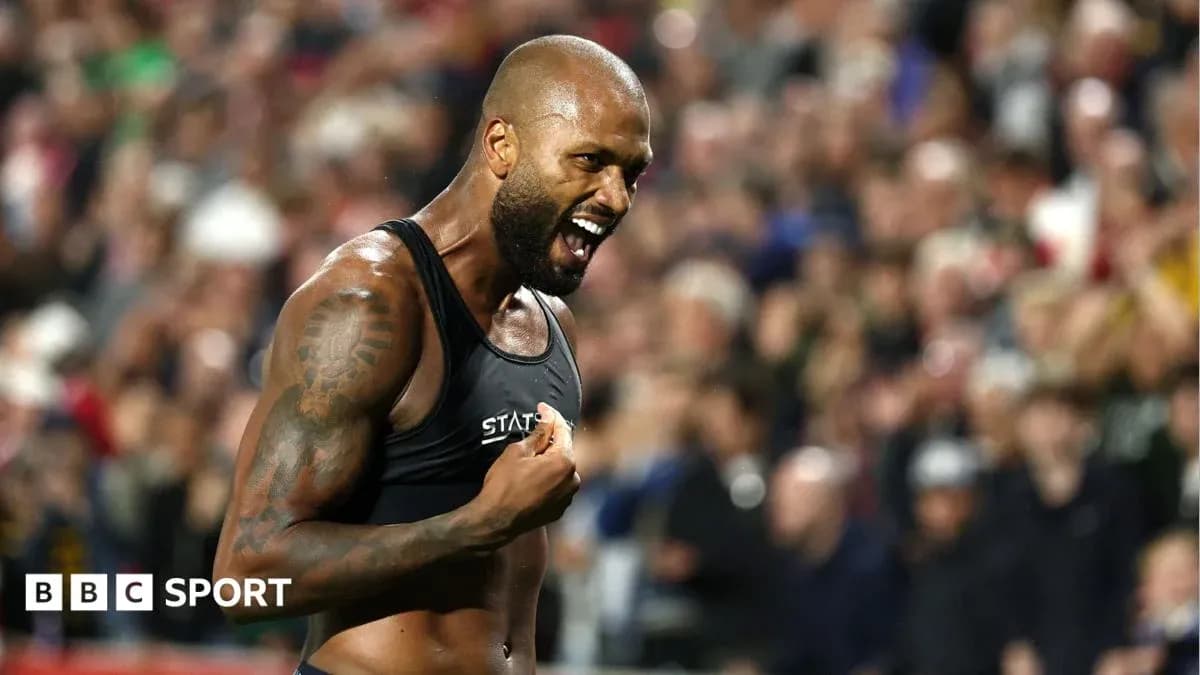
Anton Stach tore away towards the away end, arms spread wide, swallowed by the noise from the Leeds United fans. One swing of his right foot, one vicious late free-kick, and a solid point at the City Ground had exploded into three on the opening weekend of the Premier League season.
The contrast with their last trip to Nottingham could hardly be sharper.
Back in November 2025, Leeds had arrived with nerves jangling and left with them shredded. Lukas Nmecha struck early that day to give them hope, only for Nottingham Forest to respond with three goals, hand Sean Dyche his first win as Forest manager and crank up the relegation anxiety around Daniel Farke’s side. That match was billed as the start of a Forest revival. Nine months on, it is Leeds who look like a club moving with purpose.
Under Farke, the numbers back up the feeling. Leeds have taken 17 points from their past eight league games, winning five of them. Only Arsenal, with 18, have collected more since the start of April. This is not a team clinging on any more; it is one edging towards something more ambitious.
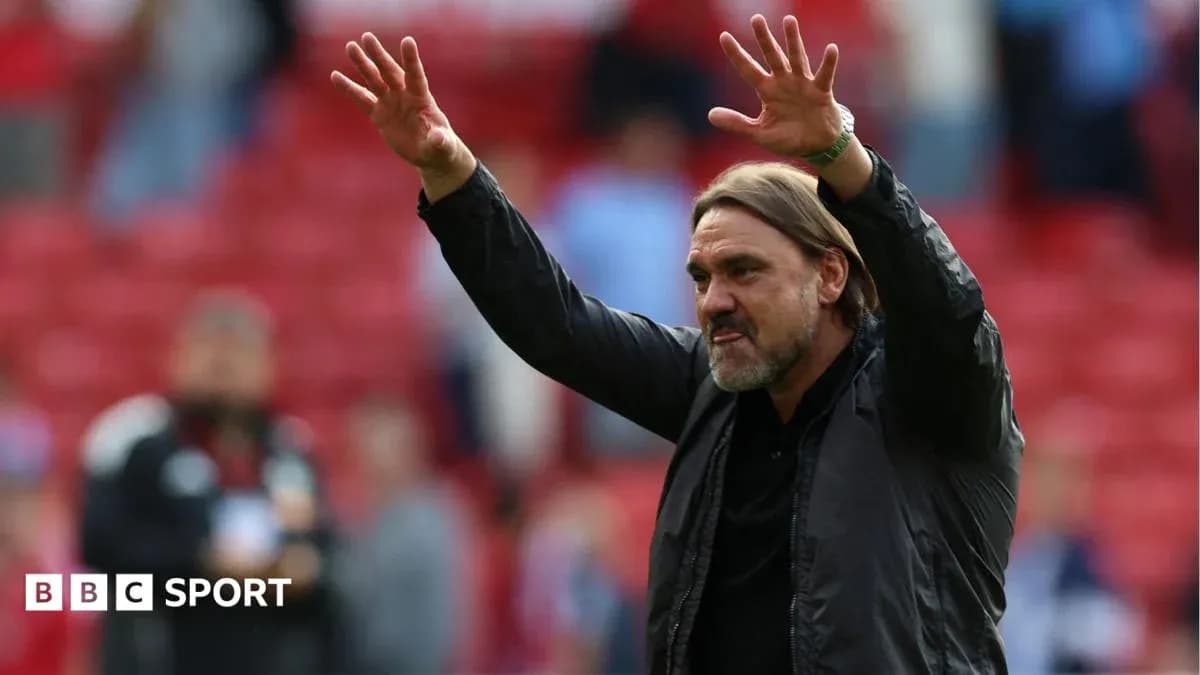
“I expected a difficult game away at Forest,” Farke told BBC Match of the Day after the win. “I’m very happy to come away with a cleansheet and compliments to the players.”
The satisfaction in his voice matched the resolve on the pitch. Leeds did not just survive the occasion. They imposed themselves on it.
Belief has grown around Elland Road, and not just because of the result. New signings have injected freshness and competition. The mood has shifted from staying up to stepping up.
“We know our targets and goals,” captain Ethan Ampadu told BBC Final Score. “We want to be a Premier League club next season. We want to achieve that target and then get to a better place. Once that can be achieved, we think of everything else.”
The message is clear: consolidation first, then climb.
Leeds finished 14th last season, eight points clear of danger. Respectable. Safe. Yet the story of that campaign is more turbulent than the final table suggests. Their return to the top flight began with a stumble: just three wins and eight defeats in their first 13 league matches, pressure building on Farke and his squad as questions circled about whether they could cope.
The turning point came not in victory, but in a 3-2 defeat at Etihad Stadium on 29 November. Farke abandoned his 4-3-3 for a 3-5-2 against Manchester City, and something clicked. From that moment, Leeds lost only five more league games all season. The system gave them more protection, more control, and a platform for their attacking players to breathe.
“There were times in the first half of last year where we allowed teams to run over us a bit,” Ampadu admitted. “We wanted to get a bit more solid and put our stamp on the game. We want the ball, we want to be attacking and creative.”
That blend of steel and intent was visible again at the City Ground.
It mattered even more because of their away record. Last season, Leeds managed just two league wins on the road. Two. For a club with their ambitions, that was a glaring weakness. So to open the new campaign with a disciplined, ruthless away performance felt like more than just three points.
“Away games in Premier League are always difficult,” Farke said. “Sometimes the second year is more difficult. Last season, we picked up many points with draws. On the road, we want to be competitive and be more effective.”
Stach’s free-kick was the perfect embodiment of that new edge: fewer what-ifs, more decisive moments.
The summer could easily have gone another way. After steering Leeds to safety, Farke did not hide his frustration. He warned he was “not the right choice” to lead the club if the hierarchy failed to match his ambition in the transfer window. It was a public challenge. The board answered it.
Around £80m was invested in new arrivals, and three of those signings went straight into the starting XI at Forest. Early days, but the signs were encouraging.
In goal, James Trafford began justifying the £45m Leeds paid Manchester City – a record fee for a British goalkeeper. He produced sharp, decisive saves, the kind of interventions that settle a backline and justify a bold outlay. In front of him, Bosnia-Herzegovina defender Tarik Muharemovic delivered a composed, rugged display, then nearly stole the headlines at the other end, forcing Matz Sels into action with a towering header from a set-piece.
Harry Wilson, picked up on a free after a 10-goal, seven-assist season with Fulham, almost marked his debut with a goal before the offside flag cut short his celebration. The impact was still noted.
“From the very first minute they walked into the building, they have shown their quality,” Ampadu said of the new recruits. “They have shown why they have been brought in to try and help us get to the next level. They’ve shown that hunger and drive to take Leeds to a better place so that has been very good.”
Farke echoed that assessment. “I am very happy because they have big boots to fill,” he said. “Trafford is a good player but he hasn’t played that many Premier League games, Tarik too. So they both shined and showed why we agreed to sign them, but the whole group was excellent today. Wilson too was excellent. The vibe and mood is good around the place.”
That “vibe and mood” matters when the manager is now the third-longest-serving in the league, behind only Mikel Arteta at Arsenal and Unai Emery at Aston Villa. Stability at the top, clarity in the dressing room, and a squad that looks both deeper and sharper.
On days like this, with new signings bedding in and old faces like Stach producing match-winning moments, Leeds look like a club ready to stop glancing over their shoulder and start looking up the table. The question now is not whether they can stay in the Premier League.
It is how far Farke can push them while the momentum is finally theirs.