.svg&w=384&q=75 "GoalGist logo")
Gueye's Shocking Decision After World Cup Exit
Senegal’s World Cup exit was brutal enough. What followed turned it into a full-blown national crisis.
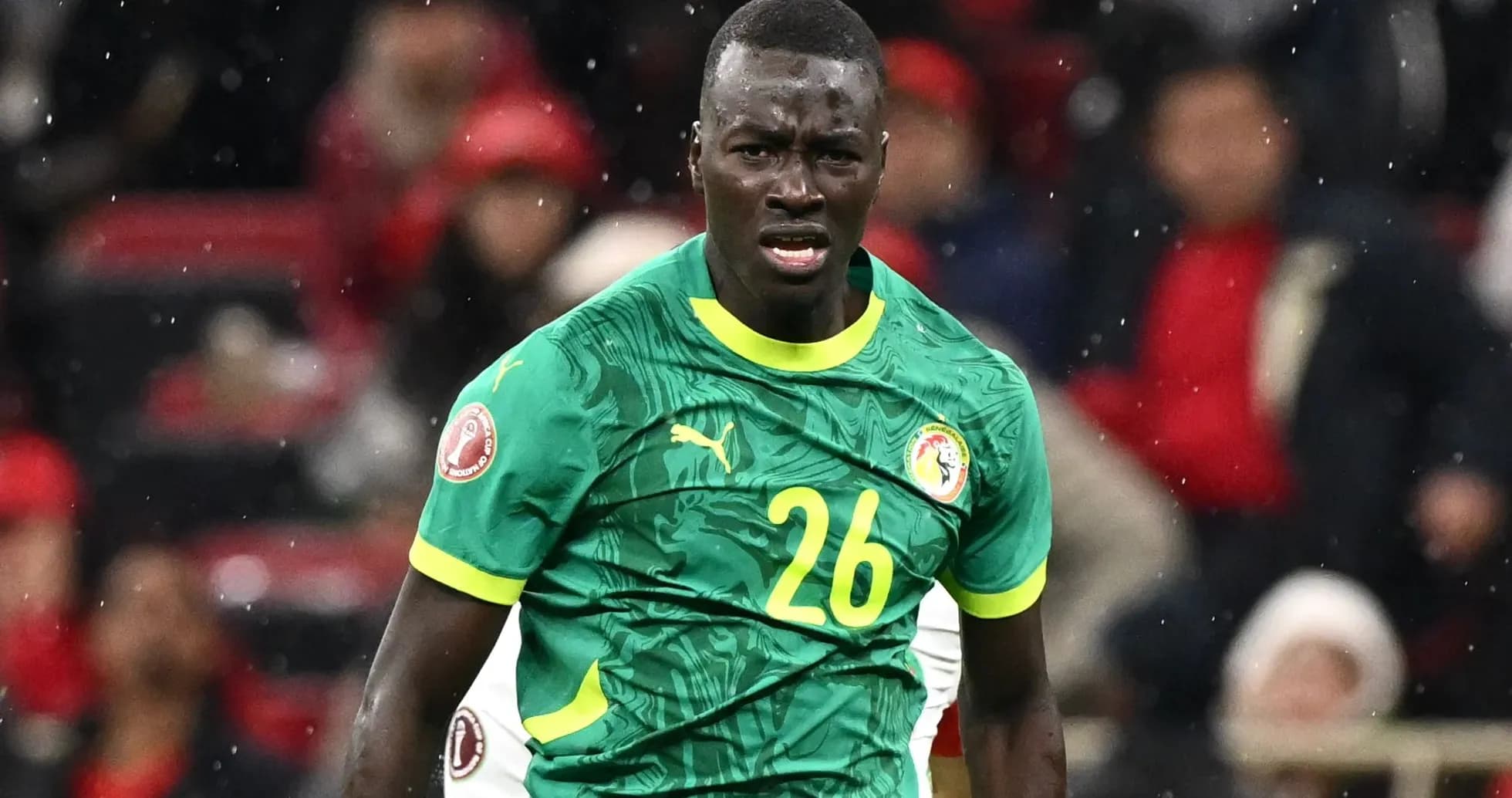
Just hours after a 3-2 extra-time defeat to Belgium ended the Lions of Teranga’s tournament, key midfielder Pape Gueye announced he will no longer play for Senegal as long as the current coaching staff remains in charge.
The message did not come via a press conference or a carefully worded statement. It arrived on Instagram, raw and pointed.
“I’ll be back to give you a few words regarding elimination... but I announce today that as long as it’s this technical staff I’ll take a break from the selection,” he wrote on his story, firing a shot straight at head coach Pape Thiaw and his team.
For a player who had been central to Senegal’s campaign, it was a stunning escalation on a night that had already shaken the country.
From Control to Collapse
For more than an hour, Senegal looked to be cruising into the Round of 16 and a date with the USA.
Habib Diarra struck, Ismaila Sarr added another, and Thiaw’s side led 2-0 with a grip on the game that seemed unbreakable. They were sharper, more aggressive, and emotionally in tune with the occasion. Belgium looked leggy and bereft of ideas.
Then came the 64th minute.
Gueye’s number went up. He was replaced by Lamine Camara, one of several changes as Thiaw began to rotate his key men. From that moment, the match’s rhythm shifted.
Senegal retreated. Belgium grew bolder.
The pressure finally told in the closing stages. Romelu Lukaku pulled one back inside the final ten minutes, Youri Tielemans levelled shortly after, and what had felt like a procession suddenly turned into a siege.
In extra time, the drama turned cruel. Deep into the 125th minute, VAR intervened, a penalty was awarded, and Tielemans buried it. A 2-0 lead had become a 3-2 defeat, and with it went Senegal’s World Cup dream.
What remained was anger, confusion, and one explosive Instagram story.
Thiaw Under Fire
Thiaw walked into the post-match press obligations knowing exactly what awaited him. The questions were direct: why remove Gueye and other key players with the game seemingly under control?
The coach stood his ground and framed the substitutions as a medical and physical necessity, not a tactical gamble gone wrong.
“They were tired and couldn’t continue. Leaving them on the field would have been unprofessional on our part. We had to replace them, like for like,” he explained.
“Of course, when you lose a match after leading 2-0, people inevitably talk about the substitutes. But you can’t reduce everything to that. These changes were primarily dictated by fatigue, more than by tactical considerations.”
The words did little to quell the storm. Gueye’s stance turned a debate about game management into an open rift between a senior player and the technical staff.
For a national team that has prided itself on unity and resilience, the optics are damaging. This is not a fringe squad member lashing out in frustration; this is a central figure effectively walking away on principle, tying his international future directly to the fate of the current coaching team.
A Pattern of Turbulence
Gueye’s rebellion does not exist in isolation. It drops into an already volatile context around Pape Thiaw’s tenure.
The coach was still carrying the weight of the Africa Cup of Nations final against Morocco, a match that turned into one of the most controversial nights in recent African football history. Thiaw ordered his players off the pitch in protest at a refereeing decision, a dramatic act that overshadowed everything else.
Senegal went back out and won the game on the field, only for CAF to overturn the result later and award both the victory and the title to Morocco. The fallout left scars: reputational damage, questions about leadership, and a lingering sense that the line between passion and recklessness had been crossed.
Now comes a World Cup exit marked by a late collapse, contested substitutions, and a star player effectively going on strike.
The narrative around Thiaw is no longer just about tactics or style. It is about control, authority, and whether he can still carry the dressing room with him.
“We Thought We Deserved It”
Facing the cameras after the Belgium defeat, Thiaw looked like a man who knew the magnitude of what had slipped away.
“We just lost a match that was really important to us. We wanted to qualify for the Senegalese people, we thought we deserved it, but unfortunately, we are eliminated,” he said. “I am sad, the players are sad too, because they really wanted this qualification.”
On the pitch, the pain is sporting. A 2-0 lead at a World Cup, against a European heavyweight, thrown away in the most agonising fashion.
Off the pitch, the damage could run deeper. Gueye has drawn a line. The coach has defended his choices. The federation now stares at a decision that goes beyond one tournament: back the staff, or risk losing key figures in the dressing room.
Senegal’s World Cup is over. The real battle, for direction and authority, may only just be starting.