.svg&w=384&q=75 "GoalGist logo")
Fulham Preview 2025-26: New Era Under Álvaro Arbeloa
Fulham preview 2025‑26: Bernabéu on the banks of the Thames?
Guardian writers’ predicted position: 15th
Last season: 11th
Silva era ends, mystery era begins
Marco Silva’s exit after five years by the river felt less like a shock and more like the inevitable end of a long, tense conversation. He had dragged Fulham back into the Premier League’s mainstream, turned survivalists into mid-table regulars and did it with a style that made Craven Cottage a must-watch stop. But he never hid his irritation at the club’s ceiling. The money he wanted for a deeper, stronger squad never truly arrived.
So he has gone to Benfica, leaving behind a team that played with verve and venom, a side of reborn cast-offs and overlooked talents who routinely punched up the table rather than down towards the drop. Under Silva, Fulham were awkward guests for the elite and easy on the eye for everyone else. That, more than the league positions, is what will be missed.
In his place: Álvaro Arbeloa. A very different proposition.
Arbeloa, Real Madrid and a new Fulham experiment
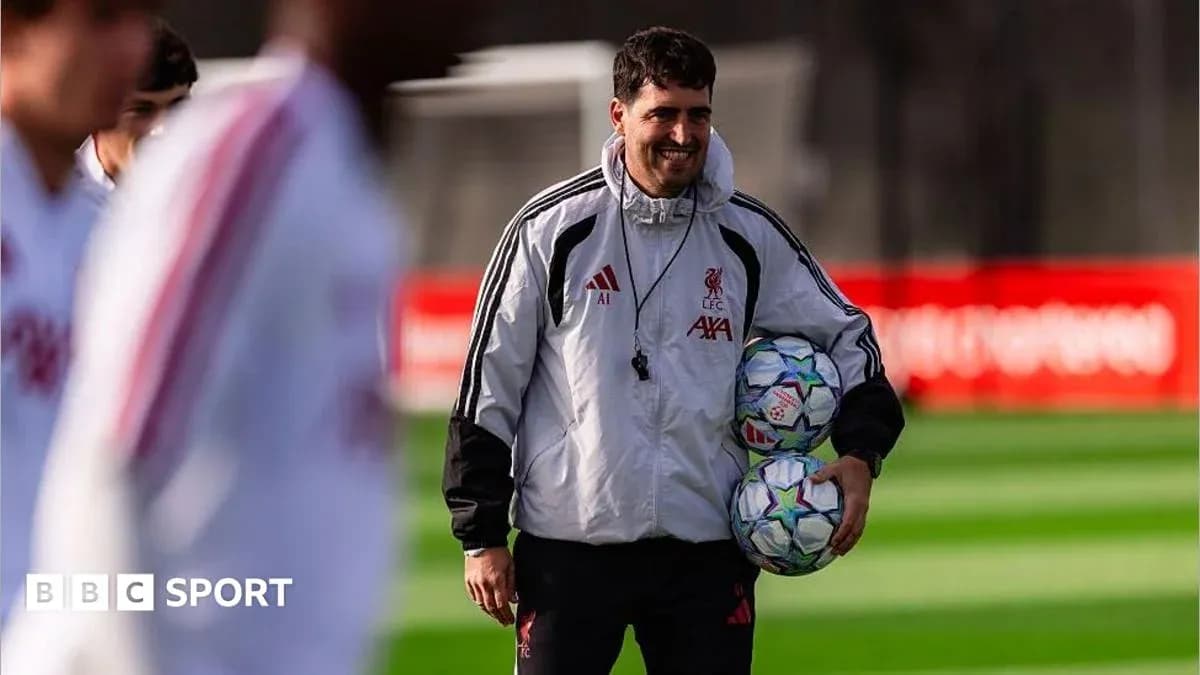
On the touchline, Arbeloa is raw compared with his predecessor. His coaching career to date has largely lived in Real Madrid’s shadows, not on Premier League front lines. His playing CV, though, dwarfs Silva’s – World Cup winner, Champions League winner, a trusted lieutenant in some of the biggest dressing rooms in football. And crucially, he still has Madrid’s number.
His arrival has already pulled Fulham into the Real orbit. Gonzalo García and César Palacios have followed him from Madrid, both players he helped shepherd through the ranks. All three share the same agency, which tells its own story about relationships and influence.
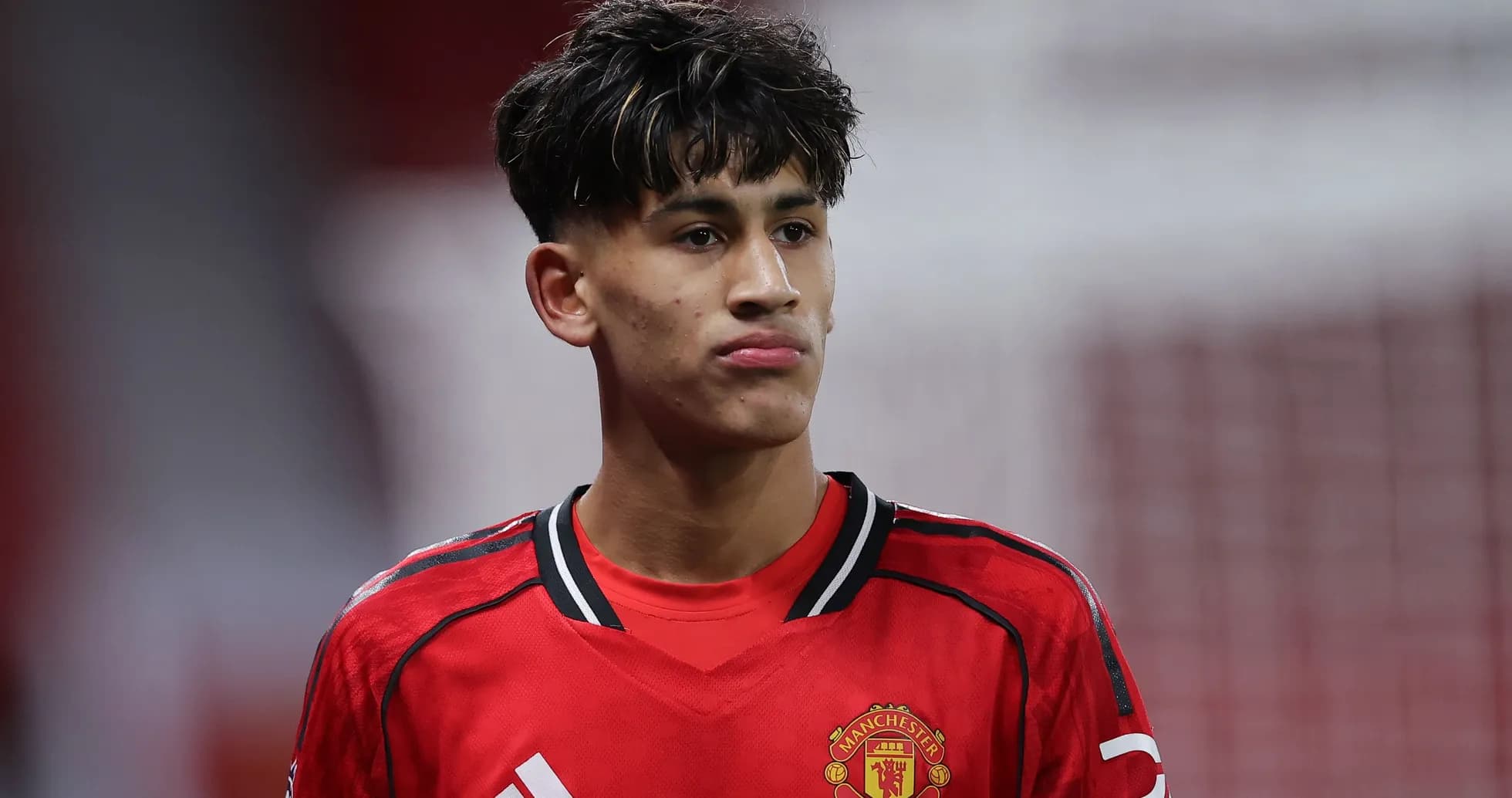
There are already whispers of more: Endrick, Thiago Pitarch, other young Real jewels being floated in conversation. The picture forming is of a Madrileño nursery on the Thames, a satellite campus of the Bernabéu tucked behind the Riverside Stand. If it materialises, it would mark a sharp break from the Silva model.
Silva trusted battle-hardened pros. Arbeloa is being asked to build with youth.
Raúl Jiménez and Harry Wilson, two of the old guard, have gone. Wilson, especially, leaves a hole after the best season of his career, choosing Leeds and a new challenge. In their place comes a strategy familiar at Brentford, Brighton and Bournemouth: buy young, polish hard, sell smart. Those clubs lean heavily on data. Fulham, historically, have been more instinctive, more opaque.
Can they match those mid-tier innovators? Or does this new Fulham drift back into the chaos that has often defined them? An already enigmatic club has chosen the most enigmatic path available.
Money, marble and a restless fanbase
Off the pitch, Fulham are trying to live like a modern Premier League club while the numbers tell a more precarious story.
The Riverside Stand, with its gleaming hospitality and river views, completed its first full season in May and helped the club to second place at the football business awards for stadium experience. It needs to do more than win prizes. It has to pay the bills.
The financial results for 2024‑25 showed a pre-tax loss of £44.5m. That figure was softened by the sale of João Palhinha in July 2024. There has been no comparable windfall since. The Khan family have poured an estimated £900m into Fulham, yet staff costs sit at 117% of turnover. That is the backdrop to Silva’s frustration and the shift in transfer strategy.
At the same time, the relationship between ownership and core supporters is fraying. The most expensive season ticket at Craven Cottage now stands at £3,084 for access to the Riverside’s luxuries, the highest in the league. Among regulars, there is anger at rising prices and a sense that matchdays are increasingly tailored to tourists rather than the traditional base.
Shahid Khan’s superyacht Kismet, named superyacht of the year in 2025, has become an easy symbol. Versailles-inspired salon, more than $3m a week to charter. While the balance sheets prove his financial commitment to Fulham’s Premier League status, many fans would settle for something simpler: recognition that not everyone can live like an oligarch.
Arbeloa’s football: youth, front foot, and a pressing question
Where Silva was a grafter who climbed the coaching ladder, Arbeloa arrives with the aura of a man who has lived at the game’s summit. His bond with Real Madrid president Florentino Pérez was such that Pérez sounded him out to replace Xabi Alonso mid-season in 2025‑26. That move never happened. Instead, his first job away from Madrid is at Craven Cottage.
Khan Sr has framed the appointment around youth, saying Arbeloa “believes in giving young players a chance”. That line matters. It chimes with the recruitment shift and with Fulham’s attempt to become a club that develops assets rather than buys finished products.
Tactically, there is also a thread of continuity. Arbeloa, born in Salamanca but forged in Madrid, believes in open, attacking football. Fulham under Silva were rarely dull, and the new man is expected to keep the front-foot intent, even as the cast changes.
One of his biggest challenges lies without the ball. Last season, Fulham fielded the oldest side in the Premier League and their pressing reflected it. They recorded the fewest high turnovers in the division – those moments when a team wins the ball back in the final 40 metres and instantly starts a new possession. Real Madrid are not poster boys for the high press either, yet they still outstripped Fulham by some distance.
Does Arbeloa try to inject intensity into a team that has been used to dropping off? Or does he lean into control and structure, trusting his Real-educated imports to manage games in other ways? That tactical call will shape Fulham’s season.
Gonzalo García: Golden Boot, big expectations
The headline signing is Gonzalo García, a forward whose reputation exploded at last summer’s Club World Cup, where he took the Golden Boot and drew comparisons with Raúl. At the Bernabéu, that is not a compliment handed out lightly.
He backed it up with Champions League goals against Juventus and Borussia Dortmund. Yet when Vinícius Júnior and Kylian Mbappé occupy the spotlight, there is only so much room. García eventually found himself squeezed by the star system.
Fulham offer him space and responsibility. His reputation in Spain is built as much on hard running and defensive graft as on goals, a trait that will serve him well in England. With Rodrigo Muniz hampered by injuries last season, the burden at centre-forward fell largely on Jiménez. Now Jiménez has gone, García arrives younger, fresher, but carrying a weight of expectation that can crush or crown a player.
Craven Cottage will find out quickly which way it goes.
The next wave: Kusi-Asare and the youth bet
The youth push is not just about Madrid. Jonah Kusi-Asare’s arrival from Bayern Munich last summer was another raid on a super-club’s academy. Bayern insisted on a buy-back clause, a sign of how highly they still rate a player they originally plucked from AIK.
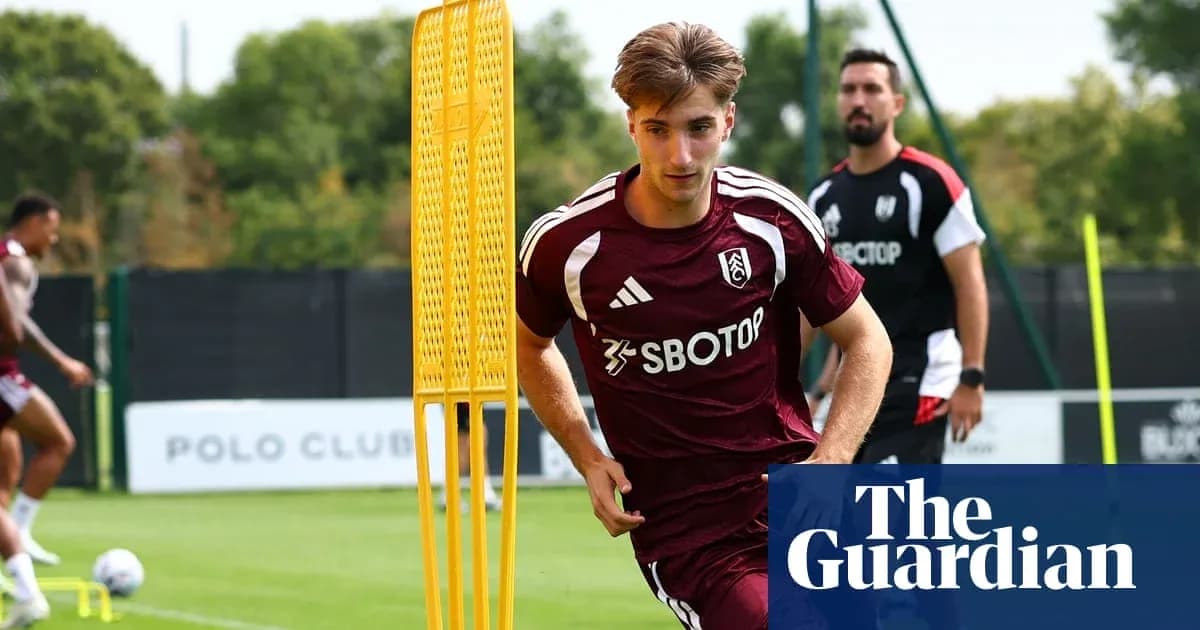
Kusi-Asare, a Sweden Under-21 international, has already drawn comparisons with Alexander Isak. The raw numbers from his first senior steps are modest – seven Premier League substitute appearances without a goal before his initial loan became permanent – but the profile is intriguing. At 6ft 5in, he offers a towering, mobile alternative to García.
Hayden Mullins, who coached him at under-21 level before taking over at Newport, saw a more ruthless version: five goals in six matches for the youth side last season. Arbeloa’s task is to pull that player out on the Premier League stage.
World Cup bounce
Several Fulham players arrive into pre-season with their reputations enhanced by the World Cup.
García made his senior Spain debut in a warm-up friendly against Iraq, even if he ultimately missed out on a place in the squad that went on to lift the trophy. Antonee Robinson shone for the USA until their run ended in the last 16 against a Belgium team featuring Timothy Castagne.
Luc de Fougerolles, still waiting for his Premier League debut, advertised his promise in Canada’s run to the knockouts, looking every inch a teenage defender ready for bigger stages. And then there was Sander Berge, outstanding as Norway powered through to the quarter-finals. If Fulham are to navigate a season of transition, those World Cup performances will need to carry over into the grind of league play.
The Guardian’s writers see Fulham dropping to 15th. The numbers, the turnover, the gamble on youth – all of it points to risk. But if Arbeloa’s Madrid connection clicks and this young core grows quickly, are Fulham about to slide backwards, or are they quietly building a new identity on the river that could outlast any one coach?