.svg&w=384&q=75 "GoalGist logo")
Frenkie de Jong's Injury Struggle and Recovery Timeline
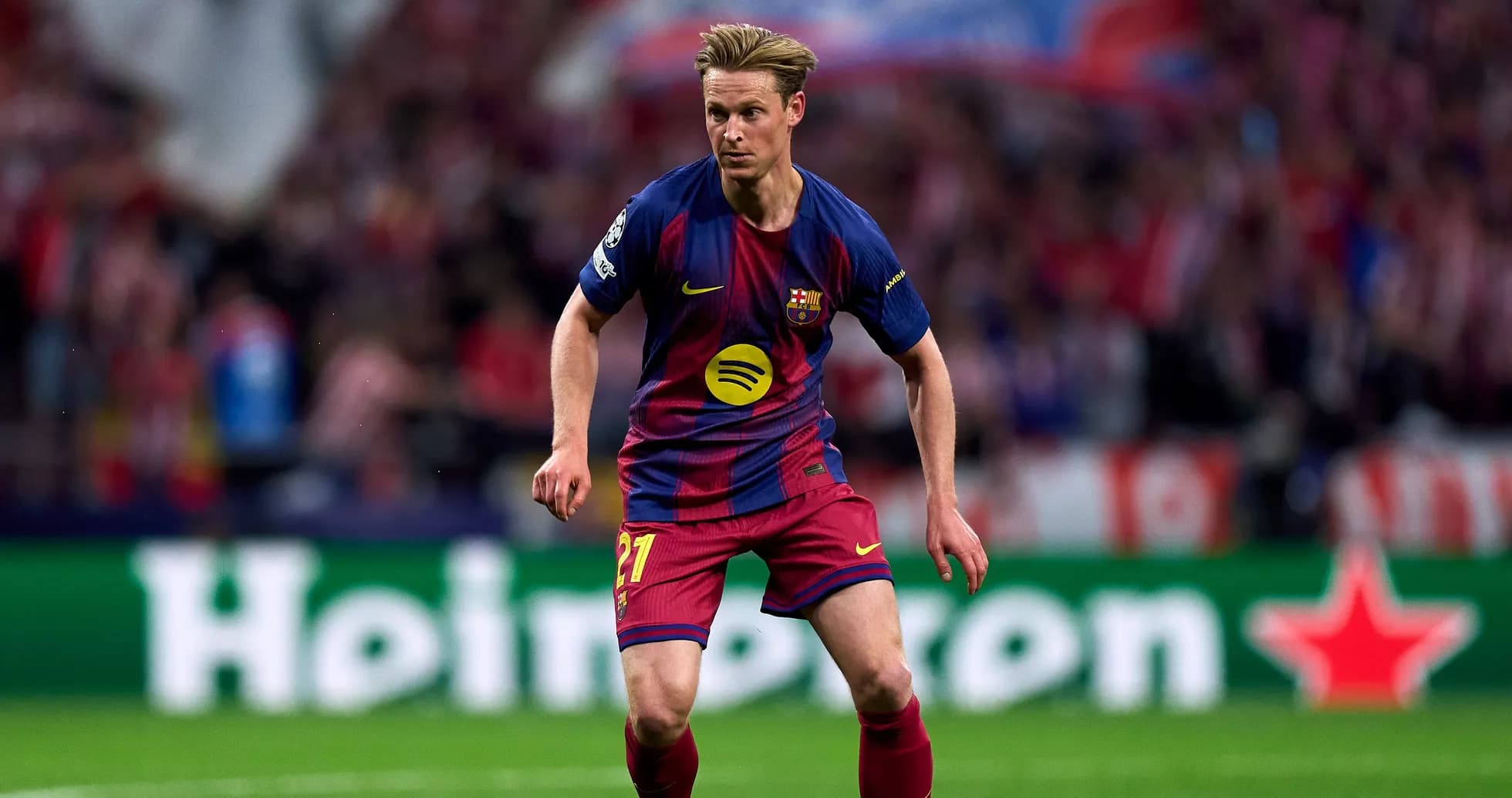
Frenkie de Jong’s road back to the Barcelona midfield is turning into a long, stubborn battle with his own knee – and with the calendar.
The 29-year-old is still recovering from the injury he suffered at the start of September and, for now, there is no quick return in sight. The internal estimates at the club are cautious: he is not expected to be fully fit before October, and that is only if the pain subsides and his recovery continues without another setback.
A delayed diagnosis that changed everything
According to Spanish outlet Mundo Deportivo, De Jong tore the medial collateral ligament in his right knee during the World Cup. Barcelona officially confirmed the diagnosis on 23 July, but the information reaching Hansi Flick’s staff suggests the actual injury dates back to a training session with the Netherlands around 16 June.
The problem did not start with the ligament. It started with the diagnosis.
The Dutch national team’s medical staff initially misread the injury, which allowed – and encouraged – De Jong to keep playing. He finished his World Cup on 30 June, then disappeared from the training ground. Instead of reporting back to Barcelona, he took a two-week holiday in Ibiza.
By the time he returned, the damage had been done and the clock had been ticking for weeks without the club really knowing it.
Barcelona only obtained a clear, accurate picture on 13 July, when their own medical team finally pinned down the severity of the ligament tear. By then, the timeline for a clean, controlled recovery was already compromised.
Conservative treatment and a calculated gamble
Faced with the diagnosis, De Jong stood at a crossroads. Surgery on one side, conservative treatment on the other.
The club’s doctors leaned towards surgery. They believed an operation offered a more definitive solution and clearer recovery path. De Jong chose the opposite. He opted for conservative treatment, backing his own body’s ability to respond without going under the knife.
Barcelona did not agree, but they accepted. The Catalan club respected the midfielder’s decision and both sides settled on a plan: monitor his progress closely, adjust according to how he feels, and track the response of that right knee to the treatment.
The next key checkpoint is already marked on the calendar. Club sources say his condition will be reassessed after the upcoming international break, which begins on 21 September and ends when La Liga resumes on 10 or 11 October.
De Jong intends to squeeze everything he can out of that period without club fixtures. No travel, no competitive minutes, just a final push to make the conservative route work.
His personal target is clear: by 8 October he wants to be back training with the group, the same day his international teammates are due to return to Barcelona’s sessions.
That ambition comes with conditions. The pain in the medial collateral ligament has to disappear. The knee must respond under load. And beyond the medical green light, he needs a basic level of match rhythm before he can step into real competition.
A brutal fixture list waits for no one
This is where the real tension lies. Barcelona’s schedule after the break is unforgiving.
Getafe first, then Galatasaray, then Real Betis. After that, the stakes climb again: Paris Saint-Germain and then Real Madrid in the Clasico on 25 October. These are not fixtures that allow half-fit players to find their rhythm gently. They demand full intensity, full confidence, full fitness.
For Flick, the dilemma is obvious. Rush De Jong back to strengthen the team in a defining stretch of the season, or hold him back a little longer to protect his long-term condition?
The coach will have a decisive voice when the midfielder finally returns to full training. Medical reports, the player’s own feelings, and the looming weight of those opponents will all collide in that decision.
De Jong wants to be ready by early October. Barcelona need him for the storm that follows.
Whether that knee allows both to get what they want will shape not just his autumn, but a critical chapter of the club’s season.