.svg&w=384&q=75 "GoalGist logo")
Fenway Sports Group's Commitment to Liverpool: No Sale Planned
Fenway Sports Group are not going anywhere.
Amid fresh noise around Liverpool’s ownership and whispers of outside money circling Anfield, sources have made one thing clear: FSG have no intention of selling the club. Not a majority stake. Not a quiet exit. Not now.
Their stance is simple. They want what they describe as “strategic investment” – partners, not buyers. Capital that strengthens Liverpool’s hand at the top end of European football, rather than cashing out of a project they still see as central to their sporting empire.
FSG dig in for the long haul
Those close to the situation insist John W. Henry and Tom Werner remain “as committed as ever to Liverpool” and still view the club as a “long-term cornerstone” of the Fenway portfolio. That language is deliberate. This is not a group preparing a graceful goodbye. It is one doubling down on a long-term plan.
They can point to the last 14 years as evidence.
Since taking Liverpool off George Gillett and Tom Hicks in 2010 for £300 million, FSG have poured money into the club’s infrastructure. Anfield has been reshaped and expanded. The AXA Training Centre has replaced Melwood as a state-of-the-art base. Football operations have been modernised to the point where, inside the group, Liverpool are regarded as one of the best-equipped clubs in the world.
That is the platform FSG believe they have built. Now they want the right kind of money to push it further.
Investors at the door – but not buyers
Behind the scenes, conversations are happening. Big ones.
TEAMtalk understands that FSG have held talks with a number of high-profile potential investors as they explore strategic partnerships. Among those to have sat down with them is former Queens Park Rangers co-owner Amit Bhatia, with sources confirming discussions have taken place.
These talks, though, are being framed very carefully. They are “exploratory”, part of a broad assessment of what kind of investment might suit Liverpool next. They are not negotiations over a sale.
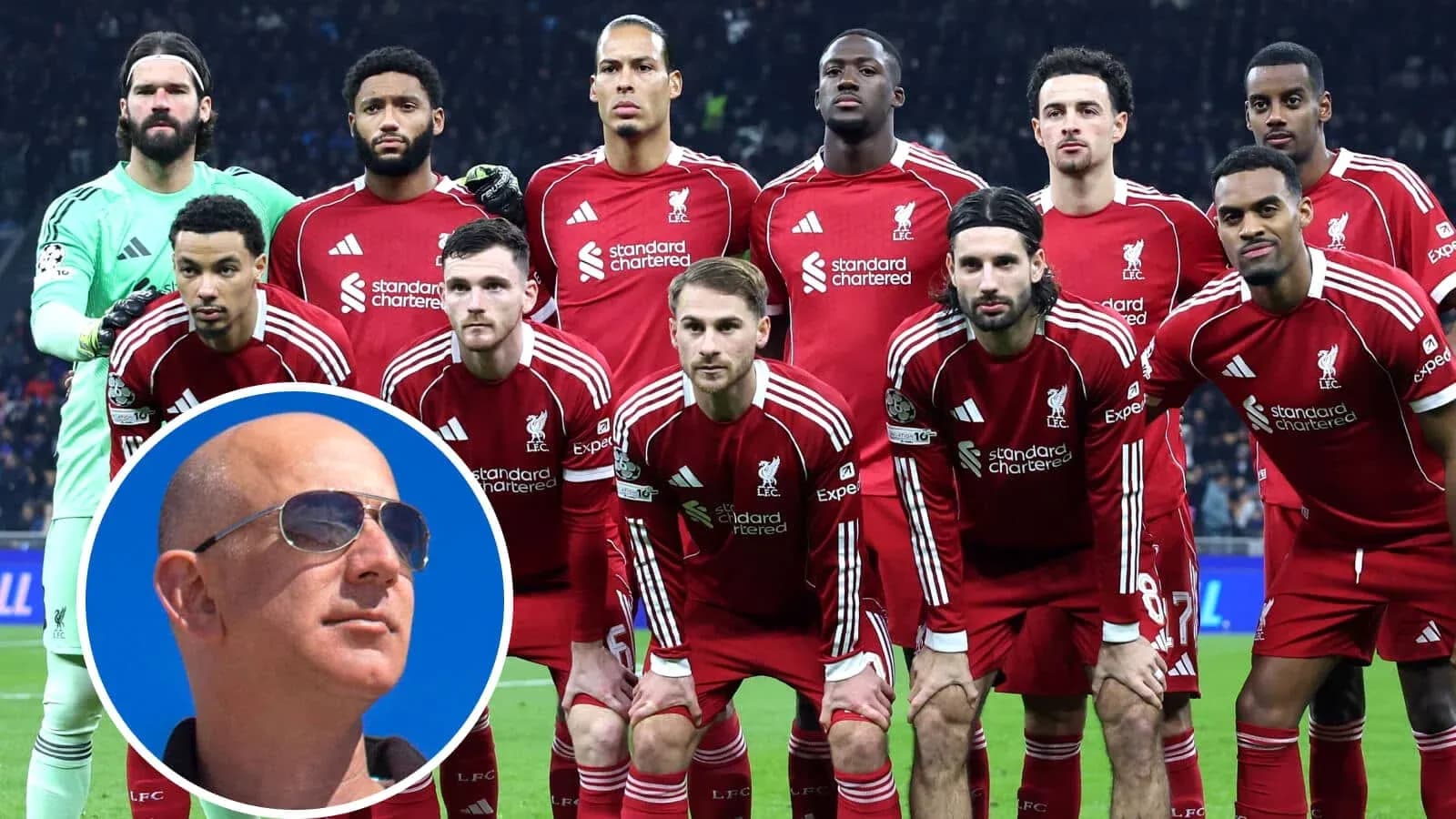
The same applies to conversations with other heavyweight business figures, including Amazon founder Jeff Bezos, who has also been linked with a possible stake. The message from those close to FSG is consistent: do not mistake due diligence and networking for a desire to walk away.
FSG point to their own history as the model.
In 2011, LeBron James and business partner Maverick Carter bought a small minority stake in Liverpool. For FSG, that was about more than a balance sheet. It was about reach, profile, and tapping into a global icon’s influence.
In 2021, James increased his involvement, becoming a major partner in the club. That evolution – minority investors adding strategic value while FSG retain control – remains the blueprint.
Minority money, majority control
The current stance is clear. FSG are open to new minority investors, but only on their terms. Any partner must help drive Liverpool’s continued growth on and off the pitch. Any deal must be beneficial to the club, not just the ownership group.
Crucially, there is, as one source stresses, “no appetite” inside FSG to relinquish control. They are convinced Liverpool are well positioned to keep competing among Europe’s elite and are determined to keep steering that journey themselves.
This is about reinforcement, not retreat.
Backing Iraola and the next rebuild
All of this plays out against a football backdrop that is anything but static.
Inside the club, the focus is on giving Andoni Iraola the tools to rebuild a squad capable of standing toe-to-toe with Europe’s best and dragging Liverpool back into serious trophy contention after a flat, stagnating campaign under Arne Slot.
A new winger sits at the top of the recruitment list. On Thursday, it emerged that Bradley Barcola has the leverage to force Paris Saint-Germain into a sale and potentially secure what has been described as an “absolutely outrageous” move to Anfield.
Liverpool have also been mentioned in connection with a possible hijack for Maghnes Akliouche, but sources have cooled that talk, clarifying that such a move is not on the cards and that the Monaco man’s next destination lies elsewhere.
So the picture is layered. Ownership speculation swirls. Investors circle. Names flicker in and out of the transfer rumour mill. Through it all, FSG hold their line.
They are staying in charge, looking for the right kind of money, and betting that their version of “strategic investment” can keep Liverpool where they believe the club belongs – in the thick of Europe’s fight, not on the fringes of it.