.svg&w=384&q=75 "GoalGist logo")
The Evolution of European Football: From Berlusconi's Super League to the Champions League
On 16 September 1987, Diego Maradona’s Napoli walked into the white heat of La Quinta del Buitre’s Real Madrid and were sent straight back out of Europe. A 2-0 defeat at the Bernabéu, a 1-1 draw at the San Paolo, and I Partenopei were gone almost before anyone had finished spelling “European Cup”.
One man watched all this and bristled. Silvio Berlusconi, then the power behind AC Milan, did not buy tickets to see one of the continent’s star attractions dumped out in mid-September. He didn’t fancy the same fate for his own side either. So he pushed an idea that would echo through the decades: a European super league, a closed shop for the elite.
That grand plan never quite landed, but it scared Uefa badly enough. Five years later, the Champions League arrived, a rebrand with a purpose: keep the big clubs in for longer, keep the money flowing, keep the stars on screen.
It still wasn’t enough. It never is. One place per country for the champions became two, then three, then four; now some nations can send five. The latest twist is the so-called Swiss model, the Berlusconi logic taken to its end point: more games between the richest clubs, fewer nights when everything can fall apart in 90 minutes. Gabriel Hanot, the journalist who first dreamed up continental competition, would be in despair at what his idea has become.
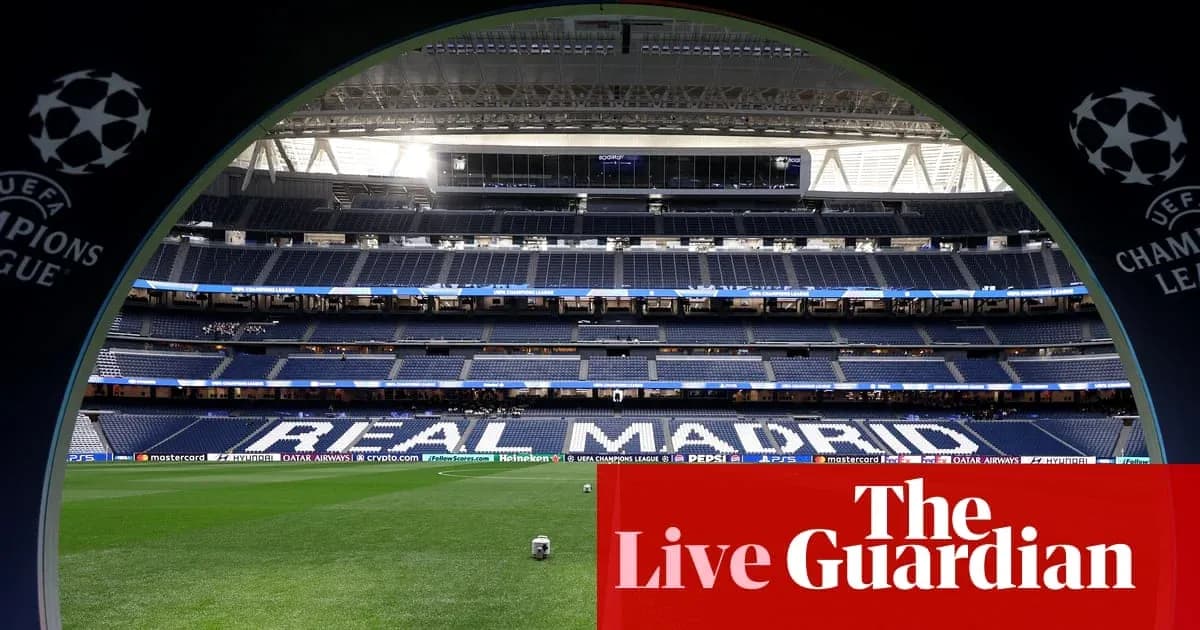
The rest of us? We’re left to wrestle with the contradictions while settling in for Real Madrid v Internazionale.
And what a fixture it is, even wrapped in all that context. Football keeps undermining every structural complaint with its own brilliance. Curiosity alone makes this irresistible: José Mourinho, handed what feels like yet another final chance at the very top, trying to summon the old electricity; Cristian Chivu, once his loyal lieutenant, now in charge at Inter, the club where Mourinho arguably produced the defining work of his career.
That storyline would be enough on its own. It isn’t all we get.
Dortmund step into the glare as well, with the Westfalen once more serving as a stage for the next big thing. All eyes drift towards Konstantinos Karetsas, the 18‑year‑old midfielder who has ripped into senior football with a composure that belies his age. He faces Villarreal, a club that know their way around European nights, and his every touch will be scrutinised.
While that unfolds, the ticker never stops. Porto v Manchester City. Lille v Real Betis. Names, colours, histories, all colliding in a revamped competition whose meaning grows hazier even as the spectacle sharpens. Does this new format truly crown the best, or simply protect the wealthiest? Hard to say in real time. But when millions are glued to potentially spellbinding football, the questions tend to be asked later, if at all.
And this isn’t the only show in town. Across England, the League Cup hums into life under the floodlights, 7.45pm and 8pm BST kick-offs scattered across the calendar. It is a different world from the Champions League glare, yet part of the same nightly rhythm: rotated lineups, young hopefuls, managers weighing risk against reward.
By 8pm BST, the Champions League joins the chorus. Real Madrid. Inter. Dortmund. Villarreal. Porto. City. Lille. Betis. Old money, new money, old powers, restless challengers.
The structures keep changing. The stakes keep shifting. But as the whistle blows and the games begin, one question lingers over this swollen, glittering landscape: how much jeopardy are we willing to lose before nights like these stop feeling like football’s beating heart?