.svg&w=384&q=75 "GoalGist logo")
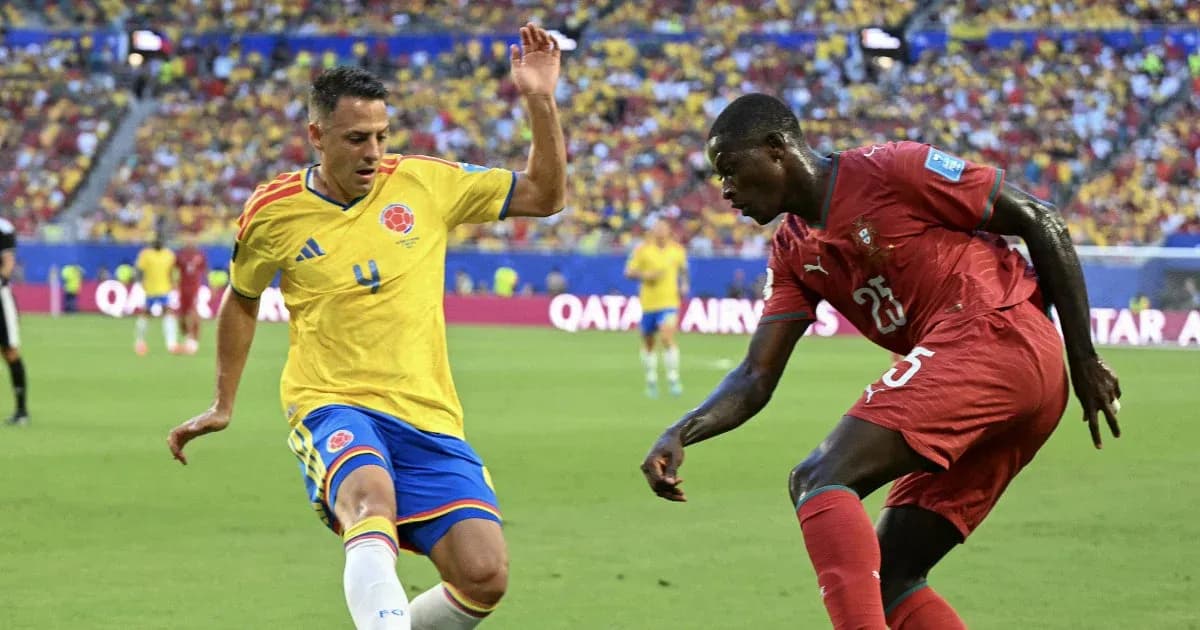
Colombia Triumphs Over Ghana in World Cup Round of 16
KANSAS CITY, Mo. — On a night when the heat wrapped itself around Arrowhead Stadium like a heavy cloak, Colombia never broke stride.
Jhon Arias needed only 14 minutes to tilt this World Cup round-of-16 decider, darting to the near post to meet a vicious low cross from Luis Suárez and flicking it past Lawrence Ati Zigi. One clean touch, one ruthless finish, and Los Cafeteros were on their way to a 1-0 win over Ghana and into the last 16.
Next stop: Vancouver, and a showdown with Switzerland for a place in the quarterfinals.
Early blow, instant answer
The evening began with a jolt. Colombia had barely settled when Jhon Córdoba pulled up, clutching his groin. Néstor Lorenzo was forced into a change he never wanted to make so early, summoning Suárez — Sporting CP’s livewire, not the Inter Miami icon — from the bench.
If there were nerves, they didn’t last.
Daniel Muñoz slid a measured ball into Suárez’s path down the right. One glance, one whipped cross skidding through the six-yard box, and Arias arrived on cue, stealing in front of his marker to guide it beyond Zigi. Colombia had the lead and, in truth, never looked like giving it back.
Suárez’s introduction transformed the tone of the game. His movement dragged Ghana’s back line into uncomfortable spaces; his pace stretched every counterattack. From the moment he stepped on, Colombia looked sharper, quicker, more dangerous.
Heat, control, and a yellow wall
The numbers on the scoreboard told only part of the story. So did the ones on the thermometer.
At kickoff, it was 88 degrees Fahrenheit, with a heat index of 96. The match began at 8:30 p.m. local time to dodge the worst of the Midwestern summer, but the air still hung thick over the home of the NFL’s Chiefs. Hydration breaks — so often a talking point in this tournament — turned into a necessity, not a nuisance, as players from both sides stretched out cramped calves and bent double in search of breath.
In the stands, the heat barely registered. Arrowhead’s three-tiered bowl, usually painted in Chiefs red with a band of yellow, dissolved into a single, searing color. Colombia’s fans poured in hours before kickoff, turning the stadium into a sea of yellow, flags whipping and drums pounding. Every pass, every tackle, every press of the ball drew a roar.
On the pitch, their team responded with the composure of a side that has heard the whispers of greatness and rather likes the sound.
Colombia had breezed through the group stage, conceding just once across wins over Uzbekistan and Congo and a draw with Portugal. The performances were so polished that Spain coach Luis de la Fuente went on record, calling Los Cafeteros “a candidate to win the World Cup.” They arrived in Kansas City carrying that weight — and wore it lightly.
They monopolized the ball, dictated the tempo, and suffocated Ghana’s attempts to breathe.
Ghana’s resistance and Zigi’s stand
Ghana knew the assignment. Underdogs again. The team that had missed the Africa Cup of Nations last year for the first time in nearly 20 years had already surprised a few by navigating a group topped by England and Croatia.
But this was another level of pressure.
The Black Stars had seen just 36.1% of the ball in the group phase, the second-lowest share of any side to advance. Those attacking issues didn’t magically disappear in the Kansas heat. Whenever Ghana tried to stitch together an attack, Colombia snapped into them, then broke the other way with the speed of Suárez, Luis Díaz, and a relentless midfield.
Ghana managed eight shots. Not one troubled the goalkeeper. The final stat line told a brutal truth: all that effort, all that running in the heat, and no shots on target.
If the margin stayed at one, it was down to Zigi.
He made seven saves, many of them sharp and instinctive. When Díaz thought he had doubled the lead early in the second half, the offside flag chopped his celebration short. Minutes later, Díaz burst through again, only for Zigi to stand tall and block his point-blank effort.
Time and again, Colombia sliced through. Time and again, Zigi refused to let the game die.
A contender keeps moving
The longer it stayed 1-0, the more the question hovered: could Ghana find a moment, any moment, to punish Colombia’s wastefulness?
It never came.
Colombia’s back line stayed alert, their midfield snapped into tackles, and the front line kept threatening to turn a tight win into a statement scoreline. The performance was not reckless or wild; it was controlled, almost cold in its authority. They managed the heat, the lead, and the occasion.
When the final whistle cut through the thick night air, Colombia’s players lifted their arms to a wall of yellow that had never stopped singing. Another clean sheet. Another step taken. Another hint that de la Fuente’s prediction might not be far-fetched.
Switzerland awaits in Vancouver, a different climate and a different challenge. Colombia will arrive there with their belief intact, their form unshaken, and a growing sense that this World Cup might just be theirs to chase deep into July.

